








What's Happening?
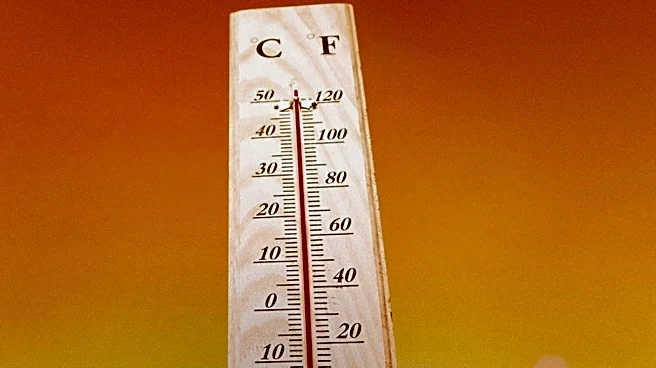
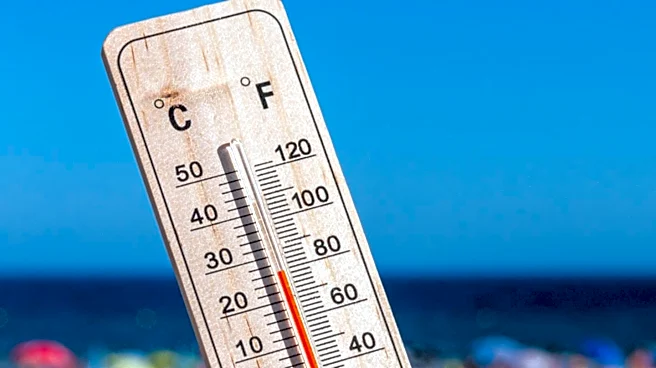
Dublin experienced its hottest June on record, with several locations across Ireland breaking temperature records. The heatwave, described as the most severe in Europe, was attributed to climate change. The World Weather Attribution group noted that such
an event would have been nearly impossible without the influence of climate change. The heatwave resulted in over 1,300 excess deaths across Europe, highlighting the severe impact of rising temperatures.
Why It's Important?
The record-breaking temperatures in Dublin and across Europe underscore the urgent need for climate adaptation and mitigation strategies. The heatwave's impact on public health and infrastructure highlights the vulnerability of regions unaccustomed to such extreme weather. This event serves as a stark reminder of the real-world consequences of climate change, emphasizing the need for immediate action to reduce greenhouse gas emissions and enhance resilience against future climate events.
What's Next?
In response to the heatwave, there may be increased efforts to improve infrastructure and public health systems to better cope with extreme temperatures. This could include expanding access to cooling technologies, enhancing early warning systems, and implementing policies to reduce emissions. The event may also influence international climate negotiations, as countries seek to address the root causes of such extreme weather patterns.
Beyond the Headlines
The heatwave raises ethical questions about the use of energy-intensive cooling technologies, which may contribute to climate change. It also highlights the need for equitable access to cooling solutions, as lower-income populations may be disproportionately affected by extreme heat. The event may prompt a reevaluation of urban planning and building codes to enhance resilience against future heatwaves.