







What's Happening?
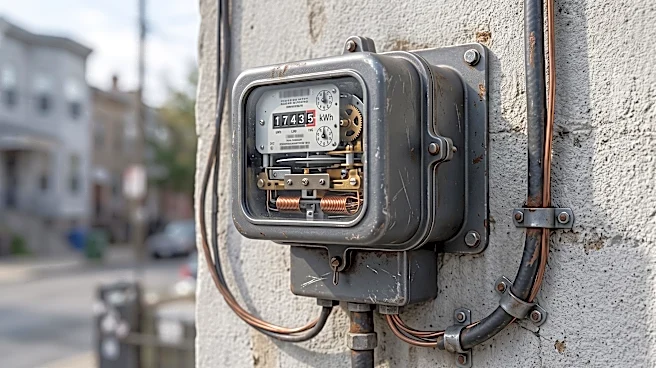
Baltimore Gas and Electric (BGE) has requested approval from the Maryland Public Service Commission for a $156 million annual rate increase. This proposed hike would result in an average increase of $8 per month on customers' electric bills. This request is separate
from an additional $9 monthly surcharge already planned, which is tied to Baltimore's conduit system. If both proposals are enacted, the average BGE customer could see their monthly bill increase by approximately $17. The utility company justifies the rate increase by citing the need for essential upkeep and infrastructure projects, arguing that delaying these investments could lead to higher future costs and more frequent service interruptions. Public hearings are being held by the commission to gather feedback, and the initial hearing saw significant pushback from customers concerned about the rising cost of living and utility expenses.
Why It's Important?
This proposed rate hike by BGE carries significant implications for residents and the broader economic landscape in Maryland. For many Baltimoreans, the potential $17 increase in monthly utility costs represents a substantial financial burden, especially when combined with rising prices for other necessities like groceries. The situation highlights the difficult choices some households face, with one resident reportedly having to turn off her heating to afford an oxygen tank. Such increases can disproportionately affect low-income households and fixed-income seniors, potentially leading to increased energy poverty and reduced quality of life. From a broader economic perspective, higher utility costs can impact local businesses through increased operating expenses, which may then be passed on to consumers or lead to reduced economic activity. The public outcry also signals growing consumer frustration with utility companies and the regulatory processes that govern them, potentially leading to increased scrutiny of utility profits and infrastructure spending.
What's Next?
The Maryland Public Service Commission will continue to hold public hearings to gather input from customers and stakeholders regarding BGE's proposed rate increase. Another online public hearing is scheduled for November 4th. Following these hearings, the commission will deliberate and decide whether to approve BGE's request, modify it, or reject it. Baltimore City Council President Zeke Cohen has urged regulators to consider the financial strain on residents, indicating that political pressure will likely continue to mount against the proposed hike. BGE will need to present a compelling case to the commission, demonstrating the necessity of the rate increase for maintaining a safe and reliable electrical system, while also addressing public concerns about affordability. The outcome of this decision will set a precedent for how utility costs are managed in Maryland and could influence future rate increase requests from other utility providers in the state.
Beyond the Headlines
The debate surrounding BGE's proposed rate hike extends beyond immediate financial concerns, touching upon broader issues of utility regulation, infrastructure investment, and social equity. The argument that postponing infrastructure projects leads to higher future costs raises questions about long-term planning and preventative maintenance strategies within utility companies. It also highlights the tension between ensuring reliable service through necessary investments and keeping utility costs affordable for consumers. Ethically, the situation brings to the forefront the responsibility of essential service providers to balance profitability with public welfare, especially when their services are critical for health and safety. Legally, the Public Service Commission's role as a regulator is under scrutiny, as it must balance the utility's financial needs with consumer protection. This case could also spark broader discussions about energy assistance programs, the transparency of utility spending, and the effectiveness of current regulatory frameworks in safeguarding consumer interests against rising utility costs.