




What's Happening?
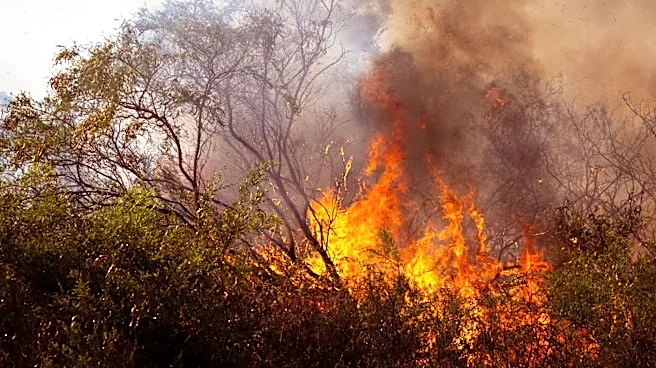
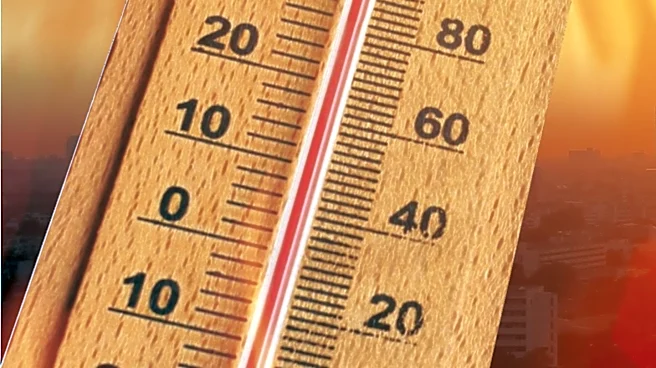
A severe heat wave is affecting the western United States, with temperatures reaching record highs in several locations. Las Vegas and Phoenix are experiencing temperatures as high as 115 degrees Fahrenheit, while Death Valley may see temperatures approach
125 degrees. The National Weather Service has issued extreme heat watches and warnings across the region, including parts of the Rockies and as far north as Montana. This heat wave is expected to persist through the first week of August, impacting daily life and outdoor activities, especially in popular national parks.
Why It's Important?
The extreme heat poses significant health risks, particularly for vulnerable populations such as the elderly and those without access to air conditioning. It also strains local infrastructure, including power grids and emergency services. The heat wave highlights the broader issue of climate change and its impact on weather patterns, prompting discussions on the need for sustainable solutions and preparedness measures. Economically, the heat can affect tourism, agriculture, and energy consumption in the affected areas.
What's Next?
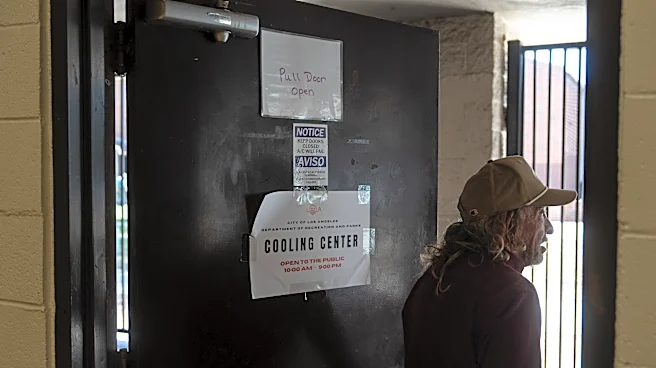
As the heat wave continues, local authorities and health officials are likely to issue further advisories and provide resources to help residents cope with the extreme temperatures. There may be increased demand for cooling centers and public health interventions. Long-term, this event could influence policy discussions on climate resilience and infrastructure improvements to better handle such extreme weather events in the future.