








What's Happening?
Sophia Gapp, a registered dietitian at Sanford Health, is advising students to adopt healthier habits and beverage choices to maintain energy levels throughout the school day, rather than relying on energy drinks. Gapp emphasizes that students struggling
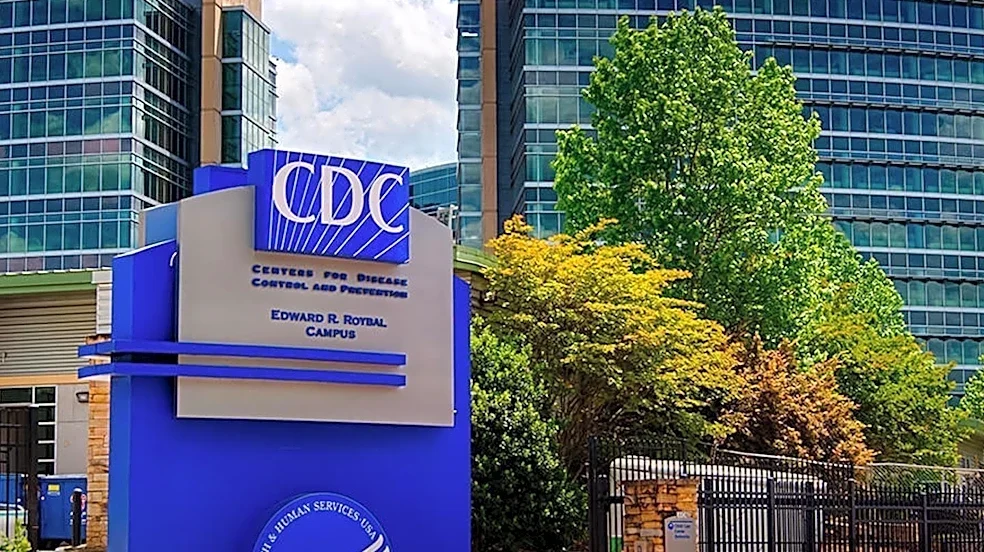
with fatigue should examine their sleep patterns, eating habits, and overall fluid intake. She recommends options such as water, lower-sugar beverages, and sugar-substitute drinks. For those desiring flavor, lower-sugar juice drinks or water flavorings are suggested. Gapp also cautions parents to scrutinize nutrition labels, as many beverages marketed as healthy can still contain substantial amounts of sugar and calories. The Centers for Disease Control and Prevention (CDC) and the American Academy of Pediatrics (AAP) both recommend that young children avoid energy drinks due to their high caffeine and stimulant content. Valley City Public Schools recently implemented a ban on energy drinks on campus, effective October 19, following concerns about student consumption during school hours.
Why It's Important?
This guidance from Sanford Health is important for addressing a growing public health concern regarding the consumption of energy drinks among students. The reliance on caffeine and high-sugar beverages can lead to various health issues, including sleep disruption, anxiety, and heart palpitations, as highlighted by Gapp. By promoting water, low-sugar alternatives, and improved lifestyle habits, the initiative aims to foster better long-term health outcomes for young people. The influence of social media and marketing on students' beverage choices is also a significant factor, making it crucial for parents and educators to provide informed guidance. The ban on energy drinks in Valley City Public Schools reflects a broader recognition of the potential negative impacts of these beverages on student well-being and academic performance. This shift towards healthier hydration and lifestyle choices could reduce the incidence of caffeine-related health problems and improve overall student health.
What's Next?
Parents are encouraged to actively check nutrition labels on beverages, promote water consumption, ensure balanced meals, and prioritize adequate sleep for their children. Educational institutions may consider implementing similar policies to Valley City Public Schools, restricting or banning energy drinks on campus to safeguard student health. Healthcare providers and dietitians will likely continue to educate the public on the risks associated with high-caffeine and high-sugar drinks, advocating for healthier alternatives. There may also be increased scrutiny on marketing practices targeting young people with energy drink advertisements. The ongoing conversation around student wellness will likely involve further discussions on school nutrition policies and educational campaigns aimed at fostering healthier habits from a young age.
Beyond the Headlines
The issue extends beyond individual beverage choices to encompass broader societal influences, including aggressive marketing strategies by energy drink companies and the pervasive role of social media in shaping youth trends. The normalization of energy drink consumption among young people, often influenced by influencers, raises ethical questions about corporate responsibility and the need for more stringent regulations on advertising to minors. This situation also underscores the importance of comprehensive health education in schools, which should cover not only nutrition but also sleep hygiene and the critical evaluation of marketing messages. The long-term health implications of early and frequent energy drink consumption, such as potential impacts on cardiovascular health and mental well-being, warrant further research and public awareness campaigns. Addressing this challenge requires a multi-faceted approach involving parents, schools, healthcare professionals, and policymakers.