

What's Happening?
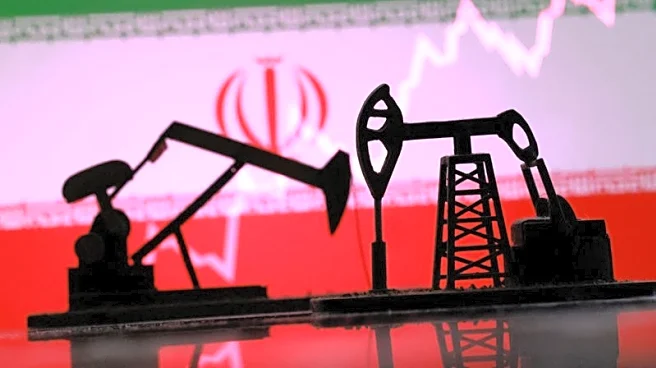
Iran has threatened to disrupt trade through the Strait of Hormuz, a critical chokepoint for global commerce, following recent attacks from the United States and Israel. This strait is a vital passage for approximately 20% of the world's crude oil and 30%
of internationally traded fertilizers, according to the United Nations' Food and Agriculture Organization (FAO). The Middle East is a significant producer of nitrogen fertilizers, with 30-35% of urea and 20-30% of ammonia exports originating from the region. The closure of the Strait has already stalled an estimated 3-4 million tonnes of fertilizer trade monthly, leading to a sharp increase in global prices. The situation is exacerbated by rising energy costs, which further impact nitrogen fertilizer production.
Why It's Important?
The disruption in fertilizer trade poses a significant threat to global food security and agricultural productivity. Countries heavily reliant on Gulf-sourced fertilizers, such as the United States, Brazil, India, and others, face potential shortages that could lead to reduced crop yields. This is particularly concerning for major agricultural exporters like Brazil, where decreased yields could drive up global grocery and commodity prices. The FAO warns of escalating commodity market volatility as shortages trigger cross-commodity pressures. The lack of strategic reserves for fertilizers, unlike oil, places the sector at a disadvantage, with limited alternative sourcing options due to existing export restrictions and high energy costs.
What's Next?
If the crisis persists, fertilizer prices could remain elevated, averaging 15-20% higher, according to the FAO. This prolonged disruption may force farmers to reduce fertilizer usage, potentially impacting yields of key crops such as rice, wheat, and maize. The situation could lead to increased food prices, affecting consumers worldwide. Stakeholders, including governments and agricultural organizations, may need to explore alternative supply routes or negotiate diplomatic solutions to mitigate the impact. The ongoing conflict and its implications for global trade will likely remain a focal point for international policy discussions.