



What's Happening?
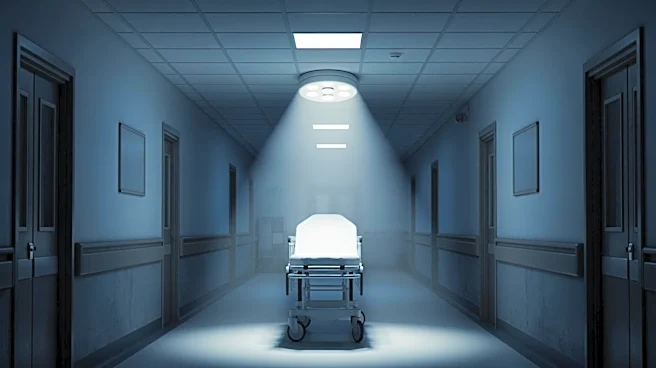
Medical staff in the West Bank are set to strike due to wage cuts and severe staff shortages, as announced by the Palestinian Medical Association (PMA). The Palestinian Authority (PA) has been unable to pay full wages, providing only partial salaries
due to withheld tax revenues. The financial strain is compounded by the PA's continued payments to convicted terrorists, which has diverted funds from essential services. The medical crisis is further exacerbated by a shortage of medications and hospital resources, threatening patient care and the overall healthcare system. The PMA has expressed deep concern over the deteriorating conditions, which have been worsened by the COVID-19 pandemic and increased public attacks on medical staff.
Why It's Important?
The strike by medical staff highlights the critical state of healthcare in the West Bank, where financial mismanagement and political decisions have led to a collapse in essential services. The inability to provide adequate healthcare poses a significant risk to public health and safety, potentially leading to increased mortality and morbidity rates. The situation underscores the broader challenges faced by the Palestinian Authority in managing its finances and prioritizing essential services amidst political and economic pressures. The international community may need to intervene to provide humanitarian assistance and support efforts to stabilize the healthcare system.
What's Next?
The planned strike is likely to disrupt healthcare services further, putting additional pressure on an already strained system. The Palestinian Authority may need to seek external financial assistance or negotiate with international stakeholders to address the funding shortfall. The PMA and other healthcare organizations may continue to advocate for policy changes and increased transparency in financial management. The outcome of these efforts will be crucial in determining the future of healthcare in the West Bank and the well-being of its residents.