








What's Happening?
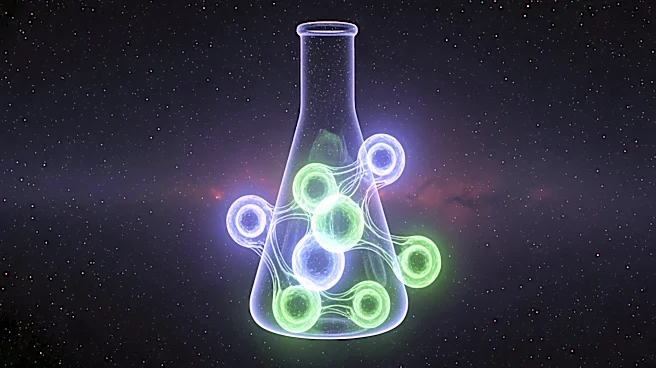
NASA is conducting groundbreaking research aboard the International Space Station (ISS) to produce large quantities of stem cells for therapeutic use on Earth. The InSPA-StemCellEX-H2 investigation is focused on manufacturing blood stem cells in microgravity,
which is believed to be more conducive to maintaining the high-quality state of these cells during expansion. This research is crucial as it aims to overcome the limitations faced by Earth-based laboratories, where stem cells often lose their ability to differentiate into various blood cells necessary for treating conditions like leukemia. The project involves using a newly developed microgravity bioreactor by BioServe Space Technologies, with the goal of creating a reliable supply of stem cells for patients suffering from blood disorders, cancers, and immune diseases.
Why It's Important?
The potential impact of this research is significant for the medical field, particularly in the treatment of blood-related diseases. By leveraging the unique conditions of space, scientists hope to enhance the expansion potential of stem cells, reducing the risk of rejection when used in patients. This could lead to more effective and accessible therapies for individuals with severe health conditions. The success of this project could pave the way for new medical treatments and technologies, benefiting patients worldwide. Additionally, it highlights the role of space research in advancing healthcare solutions, demonstrating the broader applications of space exploration beyond traditional scientific pursuits.
What's Next?
As the research progresses, the next steps will involve analyzing the stem cells produced in space once they are returned to Earth. This analysis will determine the effectiveness of the microgravity environment in enhancing stem cell quality and expansion. If successful, this could lead to further collaborations between NASA, scientific institutions, and pharmaceutical companies to develop new treatments based on these findings. The ongoing research will continue to explore the potential of space-based bioreactors in producing other types of cells and medical materials, potentially revolutionizing the field of regenerative medicine.