




What's Happening?
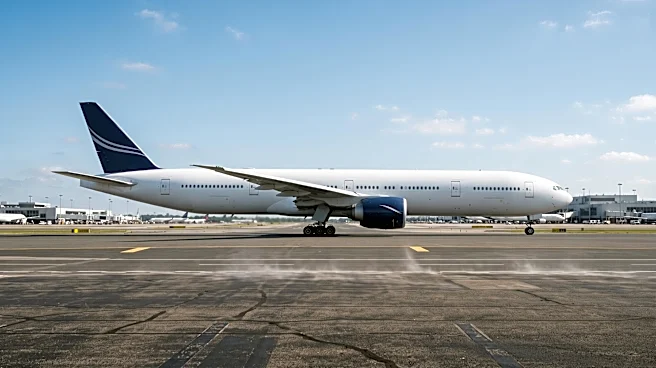
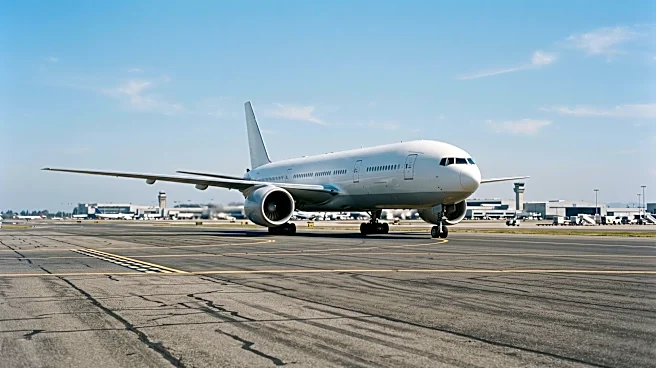
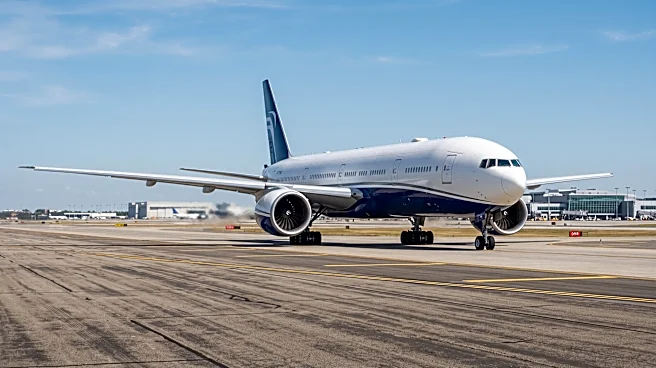
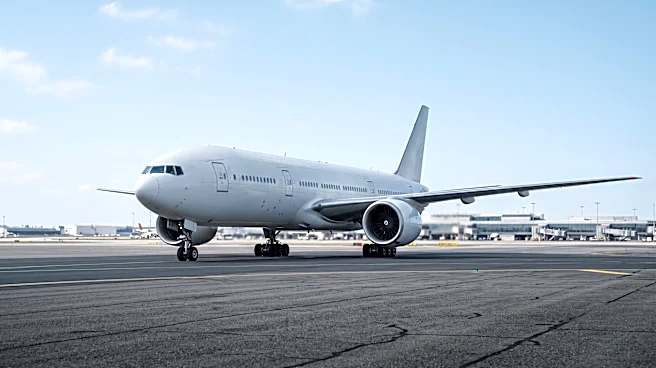
Two aircraft, a UPS Boeing 767 cargo plane and a Copa Airlines Boeing 737 passenger jet, collided while taxiing at Miami International Airport on Saturday, November 14. The incident occurred shortly after the Copa Airlines flight had landed from Panama
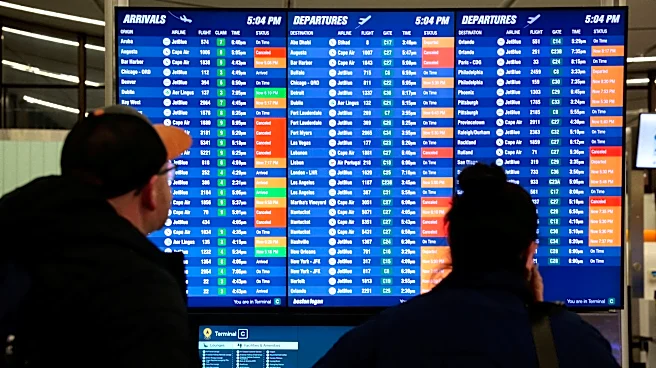
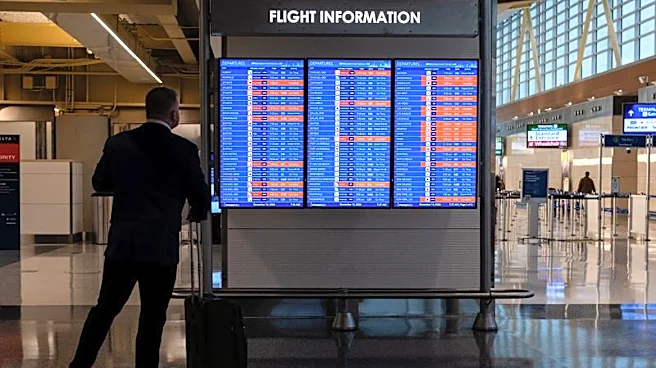
City. Audio recordings from Air Traffic Control captured the moment the pilot of the commercial aircraft stated, "Somebody hit us." The UPS pilot subsequently confirmed, "Yeah we went too far and then he, he clipped us with the wing." Initial reports from a fire department source indicate the collision was "minor," with only two passengers on the Copa Airlines flight complaining of back pain. Both UPS and Miami Airport have been contacted for further comment. This event follows a period of significant disruption in U.S. air travel, including a nationwide ground stop that led to thousands of flight cancellations across the country.
Why It's Important?
This incident, while seemingly minor in terms of injuries, highlights the persistent challenges and potential hazards within busy airport environments, particularly on taxiways. Even low-speed collisions can result in substantial damage to aircraft, leading to costly repairs, operational delays, and significant logistical disruptions for airlines and cargo carriers. For passengers, such events, even without severe injuries, can cause anxiety and further erode confidence in air travel, especially following recent widespread flight cancellations. The collision also underscores the critical role of air traffic control and pilot vigilance in preventing ground incidents. The fact that this occurred amidst broader air travel chaos in the U.S. could exacerbate public concerns about the overall efficiency and safety of the national aviation system.
What's Next?
Both UPS and Miami Airport are expected to provide additional comments and details regarding the collision. Authorities, likely including the Federal Aviation Administration (FAA) and the National Transportation Safety Board (NTSB), will launch an investigation to determine the precise cause of the incident. This investigation will examine factors such as pilot error, air traffic control instructions, visibility, and any mechanical issues with the aircraft. The damaged aircraft will undergo thorough inspections and repairs, which could take a significant amount of time, impacting flight schedules for both airlines. Depending on the findings, there could be implications for pilot training protocols, air traffic control procedures, or airport ground operations to prevent similar occurrences in the future.
Beyond the Headlines
Beyond the immediate operational and investigative aspects, this incident contributes to a broader narrative about the pressures on the U.S. aviation system. The recent nationwide ground stop and subsequent flight cancellations have already strained resources and tested the resilience of airlines and airports. A ground collision, even a minor one, adds another layer of complexity and cost to an already challenged system. It also brings into focus the human element in aviation safety, emphasizing the constant need for precision and communication in a highly dynamic environment. The incident could prompt a review of ground movement procedures at major hubs like Miami International Airport, especially as air travel volumes continue to increase, placing greater demands on existing infrastructure and personnel.