





What's Happening?
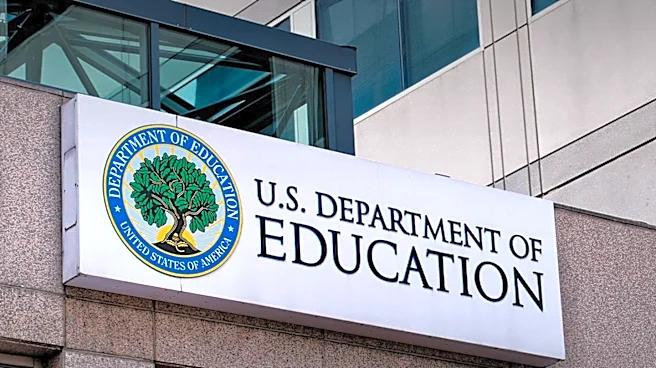
The U.S. Education Department has rescinded the disparate impact rule, a key tool used to assess school discrimination under Title VI of the Civil Rights Act. This rule previously allowed for the consideration of school policies that disproportionately
affected certain student groups as discriminatory, even if the discrimination was not intentional. The change means that only intentional discrimination will be considered in civil rights enforcement. This decision has sparked criticism from civil rights groups, who argue that it undermines efforts to address systemic discrimination in schools, particularly against Black students who face higher rates of disciplinary actions.
Why It's Important?
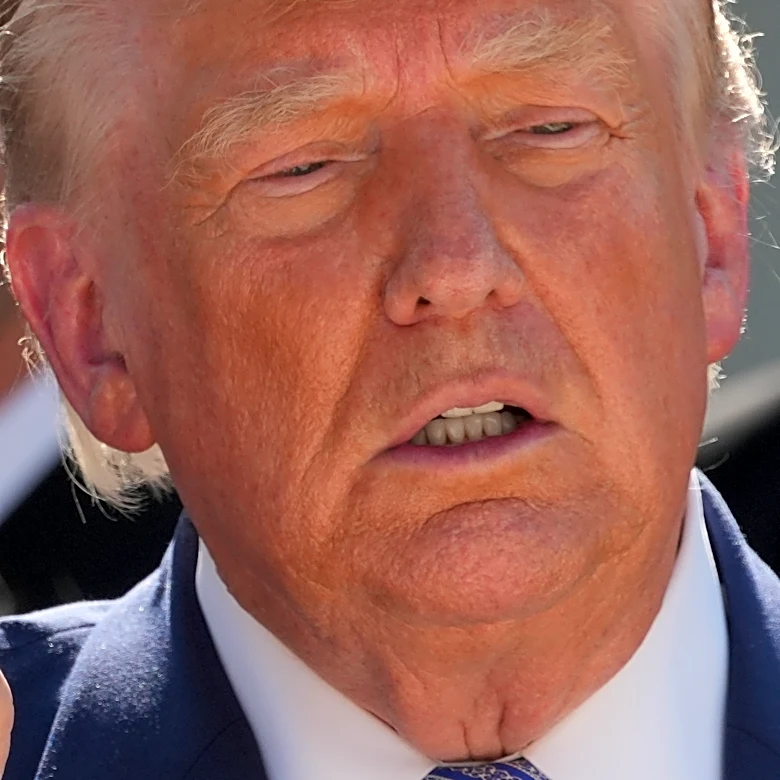
The removal of the disparate impact rule represents a significant shift in how civil rights are enforced in education. It could lead to fewer investigations and less accountability for schools with policies that disproportionately affect minority students. This change may exacerbate existing disparities in education and limit the federal government's ability to protect students from discriminatory practices. The decision aligns with broader moves by the Trump administration to reduce the use of disparate impact analysis across various federal agencies, raising concerns about the future of civil rights enforcement in the U.S.
What's Next?
The rescission of the disparate impact rule may lead to legal challenges from civil rights organizations seeking to restore protections for students. Schools may also need to reassess their policies to ensure compliance with the new standards. The decision could prompt further discussions on the role of federal oversight in education and the balance between state and federal authority in enforcing civil rights. Additionally, there may be increased advocacy efforts to address educational disparities through other means.