



What's Happening?
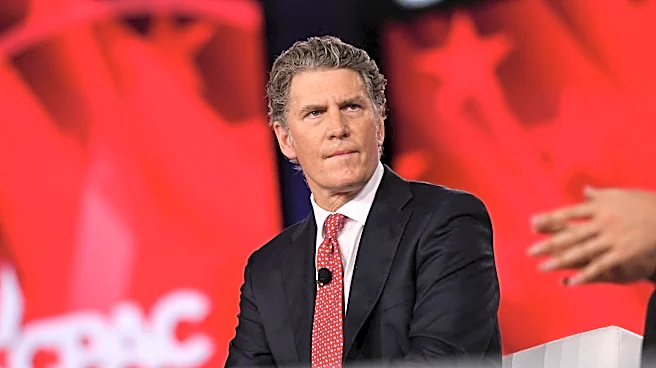
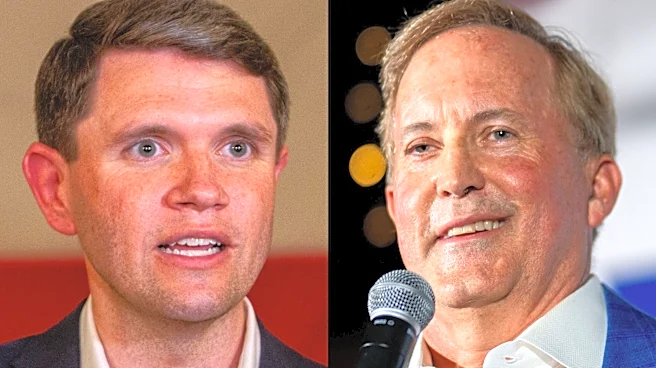
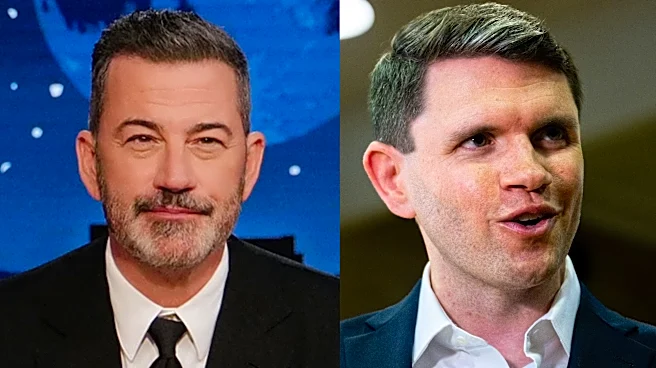
FCC Chair Brendan Carr has publicly dismissed the controversy surrounding Jimmy Kimmel's YouTube-only interview with Texas Senate candidate James Talarico as a 'hoax.' The interview, which garnered over 8 million views, was posted online instead of airing
on ABC due to concerns about the FCC's equal-time statute. Talarico's campaign has used the situation for fundraising, citing 'attacks and censorship.' This incident mirrors a previous occurrence in February when Stephen Colbert's interview with Talarico was also moved to YouTube due to similar equal-time concerns, leading to significant viewership and fundraising for Talarico. Carr argues that both instances are based on a misunderstanding of the law, stating that the equal-time statute does not prohibit interviews on broadcast TV but rather requires comparable time for other candidates when it applies. He points out that late-night hosts have historically interviewed candidates, including President Trump, without triggering these obligations, a precedent established by a 2006 FCC Media Bureau ruling regarding Arnold Schwarzenegger's appearance on 'The Tonight Show.' However, new FCC guidance issued in January warned broadcasters not to assume that present-day late-night and daytime talk shows qualify for the same exemption, leading to the current cautious approach by networks.
Why It's Important?
This situation highlights a significant tension between traditional broadcast regulations and the evolving media landscape, particularly the rise of digital platforms like YouTube. The FCC's updated guidance on the equal-time rule for late-night shows has created uncertainty for broadcasters, potentially limiting the exposure of political candidates on mainstream television. This could inadvertently push political discourse further onto less regulated online platforms, where content can spread rapidly and fundraising efforts can be amplified without the same regulatory oversight. For political campaigns, the controversy has become a strategic tool, allowing candidates like Talarico to frame themselves as victims of censorship, which can galvanize supporters and boost donations. This dynamic could influence future campaign strategies, encouraging candidates to leverage perceived media restrictions for political gain. Furthermore, it raises questions about the role of regulatory bodies in an era where digital content often bypasses traditional broadcast rules, potentially creating an uneven playing field for political communication and public engagement.
What's Next?
The ongoing debate surrounding the FCC's equal-time statute and its application to late-night interviews suggests that broadcasters may continue to exercise caution, potentially leading to more political content being diverted to online platforms. Candidates are likely to continue leveraging such controversies for fundraising and public engagement, as demonstrated by Talarico's successful campaigns. The FCC may face increasing pressure to clarify or re-evaluate its guidance in light of the changing media environment and the impact on political discourse. Stakeholders, including political campaigns, broadcasters, and legal experts, will likely continue to scrutinize the interpretation and enforcement of these regulations. This could lead to further petitions to the FCC for declaratory rulings by individual programs seeking clarity on their exemption status. The long-term implications could involve a more permanent shift in how political candidates engage with media, with a greater emphasis on digital-first strategies to circumvent perceived broadcast restrictions.
Beyond the Headlines
The 'hoax' accusation by FCC Chair Brendan Carr delves into deeper implications regarding media trust and the weaponization of regulatory interpretations. By labeling the controversy a 'hoax,' Carr is not only challenging the networks' interpretation of the equal-time rule but also implicitly questioning the motives behind Talarico's fundraising efforts. This situation underscores the broader challenge of maintaining regulatory relevance in a fragmented media ecosystem where traditional rules struggle to keep pace with technological advancements. The shift of political interviews from broadcast television to YouTube, even if driven by regulatory caution, could inadvertently legitimize online platforms as primary venues for political engagement, potentially diminishing the perceived importance of traditional media. This also raises ethical questions about how political campaigns strategically use regulatory ambiguities to their advantage, blurring the lines between genuine concern and calculated public relations. The long-term effect could be a further erosion of public trust in both media institutions and regulatory bodies, as interpretations of rules become politicized and used as tools in political campaigns.