
What's Happening?
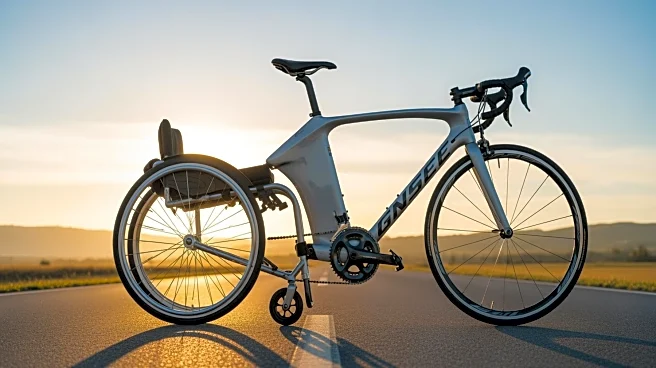
Mati Weiss, an 18-year-old who became paralyzed after a spinal tumor was removed, and her coach, Ohad Tanami, a wounded reservist, have completed a significant cycling journey. The event, known as 'Wheels
of Love', is an annual fundraising ride organized by ALYN Hospital in Jerusalem, which supports children with disabilities. This year, the journey was particularly poignant as it marked a return to normalcy after being postponed due to conflict. Ohad, who has been diagnosed with post-traumatic stress disorder following the loss of close friends in combat, has been a mentor to Mati for several years. Together, they joined 300 cyclists and 17 rehabilitating children to complete the ride, which spans 260 kilometers over four days.
Why It's Important?
The journey highlights the therapeutic power of sports in rehabilitation and emotional healing. For Mati, cycling has become a central part of her life, providing freedom and a way to cope with challenges. For Ohad, the journey represents resilience and the ability to overcome personal trauma. The event also serves as a crucial fundraising effort for ALYN Hospital, which relies on donations to provide care for children with disabilities. The participation of international cyclists underscores the global support for such initiatives, which are vital for the hospital's operations, especially in light of reduced donations due to regional conflicts.
What's Next?
The successful completion of the 'Wheels of Love' journey may inspire further participation and support for ALYN Hospital's initiatives. The event's visibility could lead to increased awareness and funding, ensuring the continuation of rehabilitation programs for children. Ohad and Mati's story might also encourage other individuals facing similar challenges to engage in sports as a means of rehabilitation and personal growth. The hospital plans to continue its annual rides, fostering a community of support and inspiration for both participants and supporters.
Beyond the Headlines
The journey undertaken by Mati and Ohad is not just a physical challenge but a testament to the human spirit's resilience. It highlights the importance of mentorship and community support in overcoming personal and collective adversities. The event also raises questions about the role of sports in mental health recovery, particularly for those affected by conflict. As the hospital continues its work, the broader implications of such initiatives could influence rehabilitation practices and policies, promoting sports as a vital component of healing and integration for individuals with disabilities.