









What's Happening?
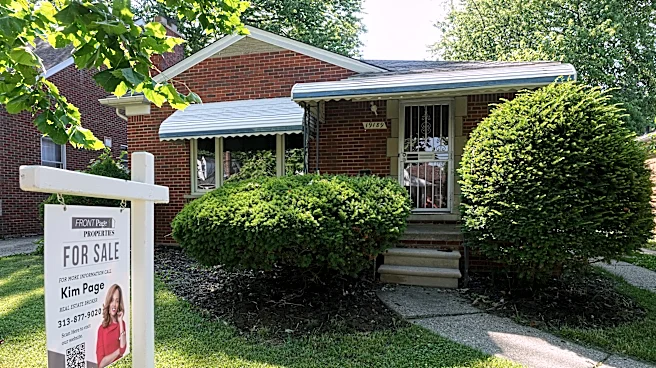
The U.S. housing market is experiencing significant affordability challenges as home prices reach an all-time high. According to the National Association of Realtors (NAR), the median sales price of existing homes increased by 1.8% in June compared to the previous
year, reaching $440,600. This marks the 36th consecutive month of annual price increases. Despite the rising prices, sales of previously occupied homes fell by 2.4% from May to a seasonally adjusted annual rate of 4.09 million units. The market has been sluggish since 2022, when mortgage rates began to rise from pandemic-era lows. The current mortgage rates, influenced by higher inflation expectations and surging oil prices, have further contributed to the slowdown in sales. First-time buyers accounted for 33% of home purchases in June, a decrease from 35% in May, highlighting the ongoing affordability issues.
Why It's Important?
The rising home prices and sluggish sales in the U.S. housing market have significant implications for potential homebuyers and the broader economy. The affordability challenges are particularly acute for first-time buyers, who historically make up a larger portion of the market. The chronic shortage of homes for sale, exacerbated by years of below-average new home construction, continues to drive prices up, making it difficult for many to enter the market. This situation could lead to a decrease in homeownership rates and impact consumer spending, as housing is a major component of household wealth. Additionally, the high mortgage rates and economic uncertainties, such as the ongoing conflict between the U.S. and Iran, contribute to the market's instability, potentially affecting economic growth.
What's Next?
The future of the U.S. housing market will likely depend on several factors, including changes in mortgage rates, economic conditions, and housing supply. If mortgage rates continue to rise, it could further dampen sales and exacerbate affordability issues. On the supply side, a significant increase in home construction is needed to address the inventory shortage and stabilize prices. Policymakers and industry stakeholders may need to explore measures to boost housing supply and make homeownership more accessible. Additionally, potential buyers and sellers will be closely monitoring economic indicators and geopolitical developments that could influence the market dynamics.