





What's Happening?
A multi-state investigation has led to the dismantling of a significant drug trafficking and money laundering network operating between Detroit, Michigan, and Morgantown, West Virginia. According to the U.S. Attorney’s Office, 28 individuals have been
charged in a 114-count indictment. The indictment alleges that these defendants, from Detroit, Philadelphia, Mississippi, and West Virginia, conspired for over two years to possess and distribute methamphetamine, fentanyl, cocaine base, and cocaine in Monongalia County and surrounding areas. The operation, allegedly led by Brendan Bragg, 32, of Detroit, involved transporting drugs from Detroit to Morgantown and Parkersburg. The investigation resulted in the seizure of over 8 pounds of methamphetamine, nearly 2 pounds of fentanyl and fentanyl mixtures, more than half a pound of cocaine and cocaine base, $21,906 in cash, 10 firearms, and ammunition. Deputy Criminal Chief Zelda Wesley stated that approximately $620,000 in electronic payments for drugs were identified through CashApp and Apple Pay.
Why It's Important?
This indictment is important as it represents a significant blow to a major drug trafficking pipeline impacting West Virginia communities. The seizure of substantial quantities of highly dangerous drugs, including carfentanil mixtures capable of killing hundreds of thousands, underscores the public health and safety threat posed by such operations. The involvement of electronic payment methods like CashApp and Apple Pay highlights the evolving tactics used by criminal organizations for money laundering, presenting new challenges for law enforcement. The dismantling of this network will likely reduce the availability of these illicit substances in Monongalia County and surrounding areas, potentially saving lives and decreasing drug-related crime. It also demonstrates the effectiveness of multi-agency and multi-state cooperation in combating complex criminal enterprises.
What's Next?
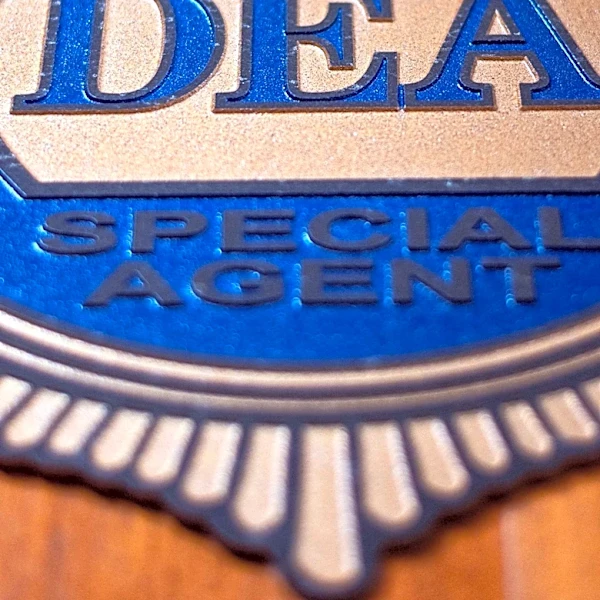
The 28 individuals charged in this indictment will now face legal proceedings, including arraignments, plea negotiations, and potentially trials. The U.S. Attorney’s Office and the DEA will continue to prosecute these cases, aiming for convictions and appropriate sentencing for those involved in the drug trafficking and money laundering scheme. Law enforcement agencies will also likely continue to monitor for any residual activity from this network or the emergence of new groups attempting to fill the void. The investigation into electronic payment methods used for illicit activities may also lead to further scrutiny and potential policy changes or technological advancements to combat such financial crimes. The community will be watching for the outcomes of these legal proceedings and the long-term impact on drug availability and crime rates.
Beyond the Headlines
The scope of this drug trafficking operation, spanning multiple states and involving significant quantities of deadly substances, points to the persistent challenge of illicit drug trade in the U.S. The use of common digital payment platforms like CashApp and Apple Pay for drug transactions raises deeper questions about the responsibility of technology companies in preventing their services from being exploited for criminal activities. This case also highlights the devastating impact of fentanyl and carfentanil on communities, emphasizing the ongoing opioid crisis and the need for comprehensive strategies that combine law enforcement efforts with public health initiatives. The successful interdiction of this network serves as a reminder of the continuous efforts required to protect communities from the pervasive threat of drug-related crime and its associated violence.