




What's Happening?
President Trump has issued a directive to gasoline retailers in the United States to lower their prices immediately, warning of 'big problems' if they fail to comply. This announcement was made via his Truth Social platform, where he emphasized the need
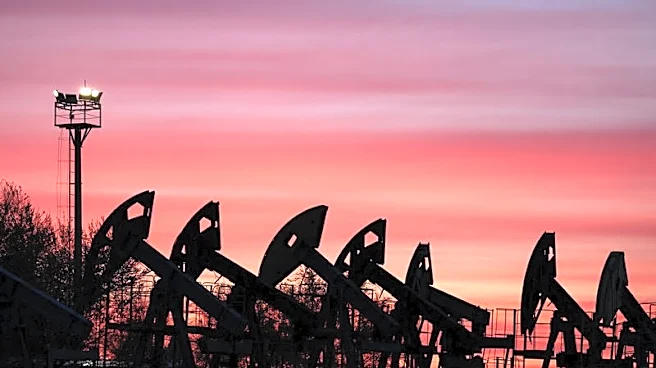
for prices to target around $2.50 per gallon. The directive comes in the wake of rising gasoline prices, exacerbated by the US-Israel conflict with Iran. Trump has also criticized California's high taxes on gasoline, urging the state to reduce them. Additionally, he has instructed the Department of Justice to investigate major oil companies for alleged price gouging, as he claims that the prices at the pump are not reflecting the lower costs of oil. This move is part of a broader strategy to increase domestic fuel production, including the invocation of emergency powers to restart a previously shut down oil pipeline in California.
Why It's Important?
The directive from President Trump is significant as it addresses the economic strain on American consumers due to high gasoline prices. By targeting a reduction in fuel costs, the administration aims to alleviate financial pressure on households and businesses. The investigation into oil companies for price gouging could lead to regulatory actions that might impact the energy sector. Furthermore, the emphasis on domestic fuel production highlights a shift towards energy independence, which could have long-term implications for U.S. energy policy. The timing of this directive is also crucial, as it comes ahead of the mid-term elections, potentially influencing voter sentiment. The conflict with Iran and its impact on global oil markets further complicates the situation, with potential repercussions for international relations and economic stability.
What's Next?
The immediate next steps involve the response from gasoline retailers and the outcome of the Department of Justice's investigation into alleged price gouging by oil companies. Retailers may face pressure to adjust prices quickly to avoid potential penalties or public backlash. The investigation could lead to legal actions or policy changes aimed at regulating fuel prices more stringently. Additionally, the administration's push for increased domestic production may result in policy shifts or new initiatives to boost energy infrastructure. Stakeholders, including state governments like California, may also respond to the federal pressure to lower taxes, potentially leading to legislative debates or adjustments in state policies.