
What's Happening?
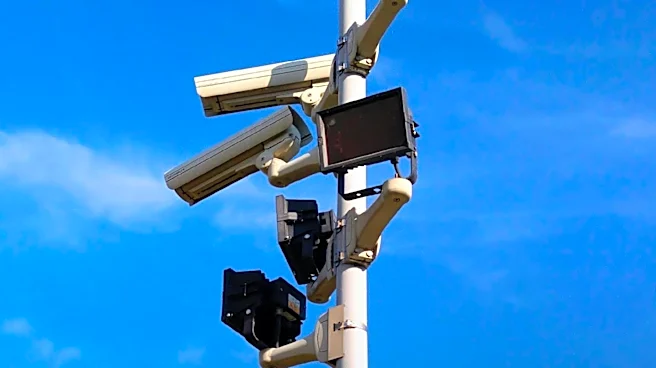
Felony vandalism charges against Cody Morelock, a Clermont County man accused of destroying a Flock camera in Union Township, have been dismissed. Morelock was alleged to have damaged the camera system
on Mount Carmel-Tobasco Road near Glenrose Lane on June 13. According to Union Township police, investigators claimed Morelock removed bolts securing the camera, causing the camera, solar panel, and support pole to fall, and subsequently destroyed the equipment. Surveillance footage from other nearby cameras reportedly helped identify Morelock as the suspect. The Flock camera is leased by the Union Township Police Department, and the estimated damage exceeded $1,000. However, a Clermont County grand jury ultimately declined to indict Morelock on the felony charges.
Why It's Important?
The dismissal of felony charges against Cody Morelock in Clermont County highlights the complexities of legal proceedings and the role of grand juries in the U.S. justice system. Despite police allegations and surveillance footage, the grand jury's decision not to indict indicates that they found insufficient evidence to proceed with felony charges, or that the evidence presented did not meet the legal threshold for an indictment. This outcome is significant for Morelock, as it removes the threat of a felony conviction and its associated severe penalties and long-term societal impacts. For the Union Township Police Department, it means that the alleged act of vandalism, which caused over $1,000 in damage to a leased Flock camera, will not be prosecuted as a felony, potentially impacting their efforts to deter similar incidents and protect public property.
What's Next?
With the felony charges dismissed by a Clermont County grand jury, Cody Morelock will no longer face prosecution for felony vandalism in this specific case. It is unclear from the source whether any lesser charges, such as misdemeanors, might still be pursued or if the case is entirely closed. For the Union Township Police Department, the incident raises questions about the security and vulnerability of their Flock camera systems, which are leased for public safety purposes. They may need to review their security protocols for these devices to prevent future damage or theft. The outcome also underscores the importance of grand jury proceedings in determining the course of criminal cases, acting as a check on prosecutorial power.
Beyond the Headlines
The incident involving the Flock camera and the subsequent dismissal of charges touches upon broader discussions surrounding surveillance technology in public spaces. Flock cameras, often used by law enforcement for license plate recognition and crime deterrence, have been a subject of debate regarding privacy concerns and their effectiveness. The alleged destruction of such a camera, regardless of the legal outcome, highlights potential public resistance or dissatisfaction with these surveillance tools. The grand jury's decision, while specific to this case, could also subtly influence public perception of accountability for actions against surveillance infrastructure. This event contributes to the ongoing dialogue about the balance between public safety, individual rights, and the deployment of technology in communities.