



What's Happening?
The Providence Ferry Terminal on Fox Point, Rhode Island, is slated to receive a $13.5 million upgrade, as announced by members of Rhode Island's legislative delegation. This federal funding is part of a larger $657 million program administered by the
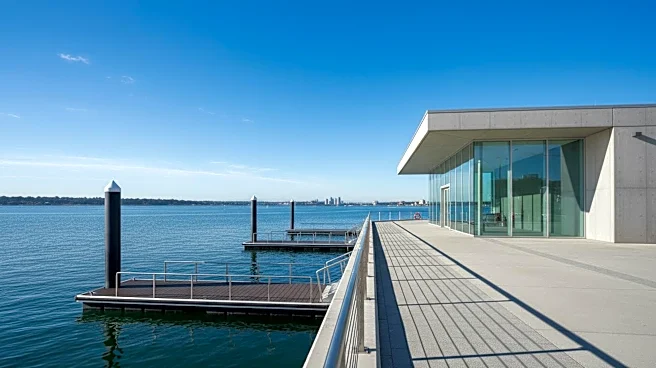
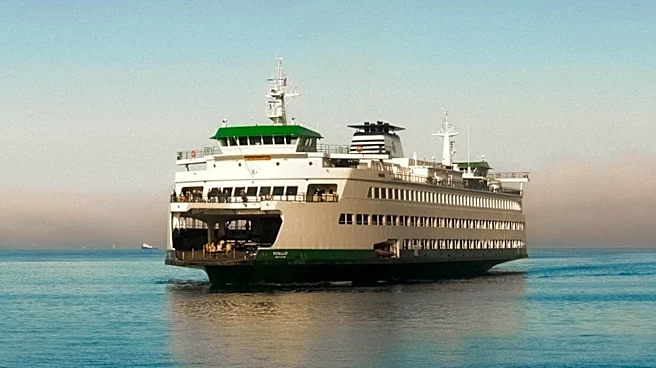
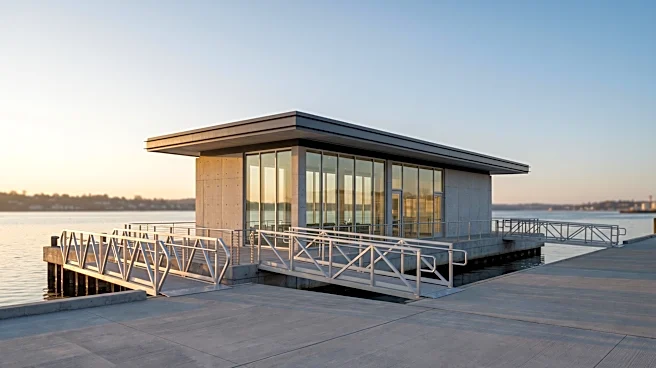
U.S. Federal Transit Administration, aimed at improving and expanding ferry services nationwide. The project will include the construction of a new ticketing pavilion equipped with an office, restrooms, and a waiting area for passengers. Additionally, floating docks will be installed, along with gangways that comply with the Americans with Disabilities Act (ADA). Improvements are also planned for parking facilities and stormwater treatment, and the seawall will undergo necessary repairs. U.S. Senators Jack Reed and Sheldon Whitehouse, along with U.S. Representatives Gabe Amo and Seth Magaziner, emphasized that this project is an effort to connect communities, strengthen the economy, and build for the future. The Seastreak ferry, which operates a seasonal service in partnership with the Rhode Island Department of Transportation, makes multiple daily trips between Newport and Providence and offers weekend service to Bristol, serving approximately 44,000 passengers annually.
Why It's Important?
This significant federal investment in the Providence Ferry Terminal is crucial for Rhode Island's transportation infrastructure and tourism economy. The $13.5 million upgrade will enhance operational efficiency and significantly improve the passenger experience, making ferry travel more accessible and comfortable for both residents and visitors. By connecting communities from Providence to the East Bay and Aquidneck Island, the ferry service plays a vital role in regional mobility, especially during the busy summer months. The improvements, particularly the ADA-compliant gangways, will ensure that the service is inclusive for all passengers. Furthermore, the project's focus on stormwater treatment and seawall repairs addresses environmental concerns and infrastructure resilience, protecting the terminal from potential climate impacts. This investment aligns with broader national goals of modernizing transportation networks, stimulating local economies, and supporting sustainable travel options, demonstrating how federal funding can directly impact local communities and their economic well-being.
What's Next?
Construction on the Providence Ferry Terminal is expected to commence following the allocation of the $13.5 million federal funding. The project will involve several phases, including the building of the new ticketing pavilion, installation of floating docks and ADA-compliant gangways, and upgrades to parking and stormwater systems, as well as seawall repairs. The Rhode Island Department of Transportation, in partnership with Seastreak Ferries, will oversee the implementation of these improvements. During the construction period, there may be temporary adjustments to ferry operations or passenger access, which will be communicated to the public. Once completed, the enhanced terminal is anticipated to attract more passengers, further boosting the local tourism economy and improving connectivity within the region. The success of this project could also serve as a model for other states seeking federal funding to upgrade their ferry services, potentially leading to similar infrastructure investments across the country.
Beyond the Headlines
The federal investment in the Providence Ferry Terminal highlights a growing recognition of the importance of maritime transportation in the U.S., not just for cargo but also for passenger mobility and tourism. Beyond the immediate economic benefits and improved passenger experience, this project underscores a broader shift towards multimodal transportation solutions that can alleviate road congestion and reduce carbon emissions. The emphasis on ADA compliance reflects a commitment to equitable access in public infrastructure, ensuring that transportation services are available to all members of the community. Moreover, the inclusion of stormwater treatment and seawall repairs points to the increasing integration of climate resilience into infrastructure planning, acknowledging the long-term environmental challenges faced by coastal communities. This project serves as an example of how targeted federal funding can address multiple objectives—economic development, accessibility, and environmental sustainability—within a single infrastructure initiative, setting a precedent for future investments in similar transportation hubs.