






What's Happening?
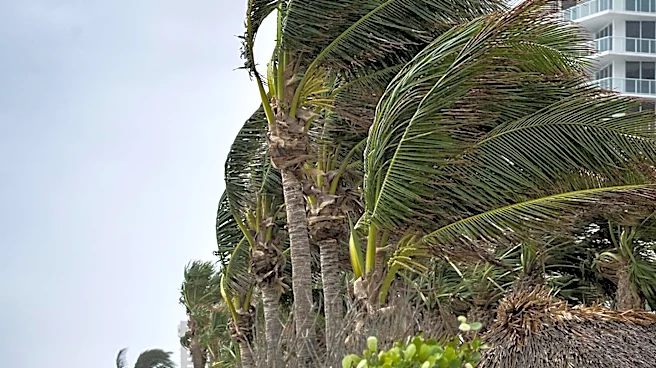
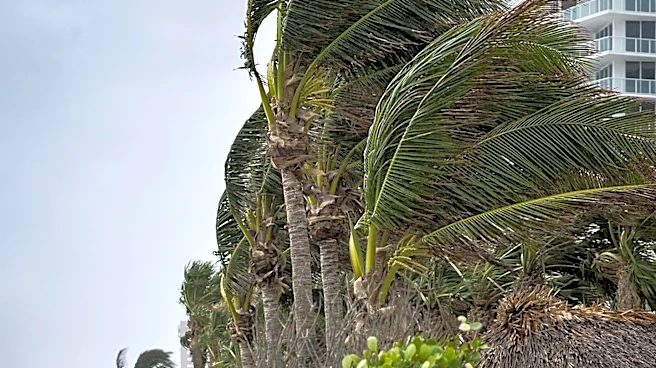
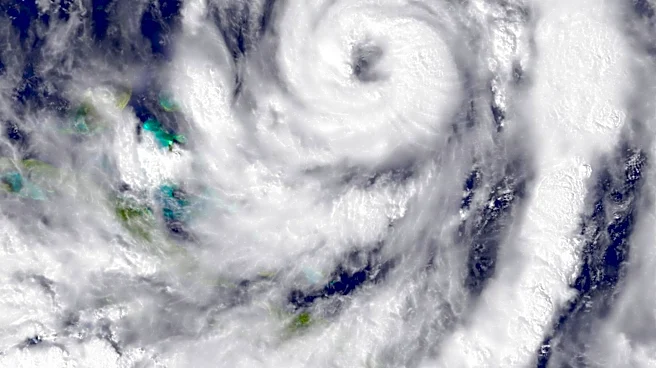
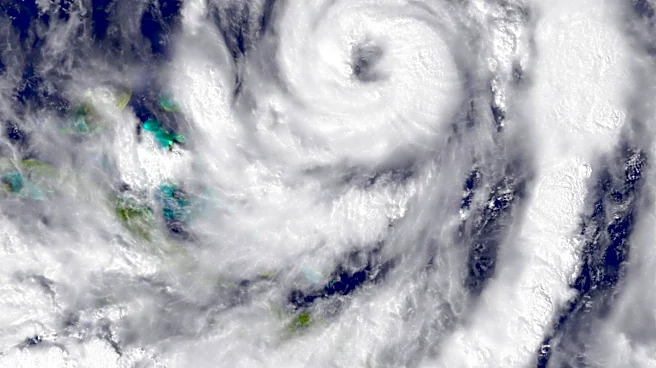
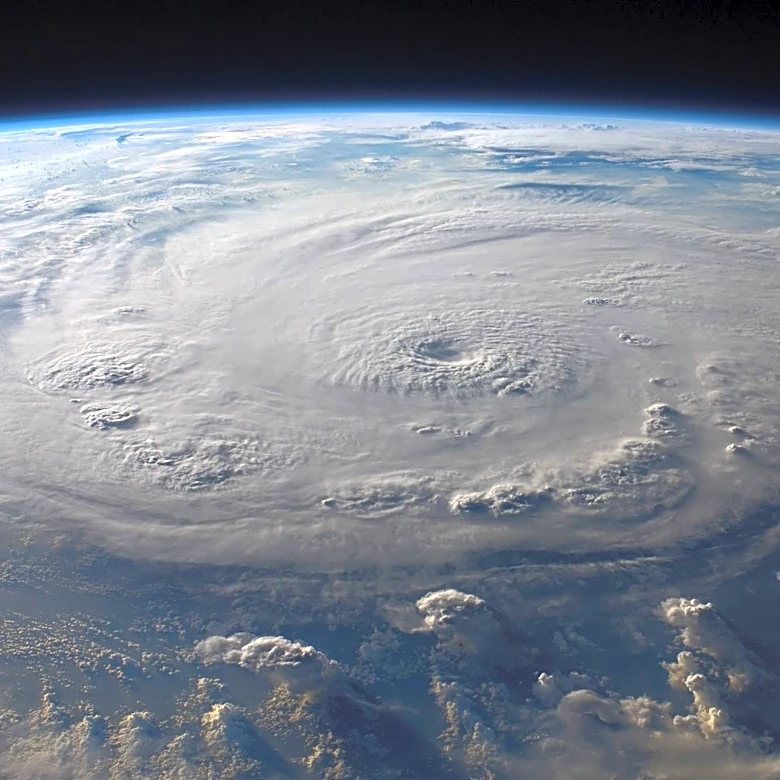
Tropical Storm Bertha has made landfall in southern Louisiana, bringing with it strong winds and potential storm surges. The storm, which is the second named storm of the 2026 Atlantic hurricane season, is expected to track along the northern Gulf Coast.
Despite the potential for up to four feet of storm surge and sustained winds reaching 50 miles per hour, forecasters do not anticipate Bertha strengthening into a hurricane. The National Hurricane Center and Colorado State University have predicted fewer storms than average for the 2026 season, partly due to a strong El Niño. However, unusually warm waters in the Atlantic could still lead to stronger storms.
Why It's Important?
The impact of Tropical Storm Bertha highlights the ongoing challenges faced by Gulf Coast communities during hurricane season. While the number of storms may be lower this year, the risk of powerful storms remains high due to warm ocean temperatures. This situation underscores the importance of preparedness and the potential for significant damage even from non-hurricane storms. The economic and social implications for affected areas can be substantial, with potential disruptions to local economies and infrastructure.
What's Next?
As Bertha continues to move inland, it is expected to weaken. However, residents in the affected areas are advised to remain vigilant and prepared for possible flooding and other storm-related impacts. The National Hurricane Center emphasizes the need for continued preparedness throughout the hurricane season, regardless of the predicted number of storms.