







What's Happening?
U.S. Air Force General Alexus Grynkewich has urged European NATO allies and Canada to increase their contributions of aircraft and ships to NATO's defense plans. This call comes as the Trump administration decides to reduce the pool of U.S. military capabilities
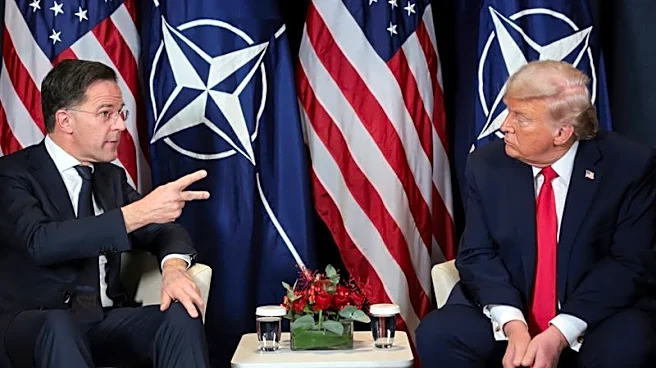
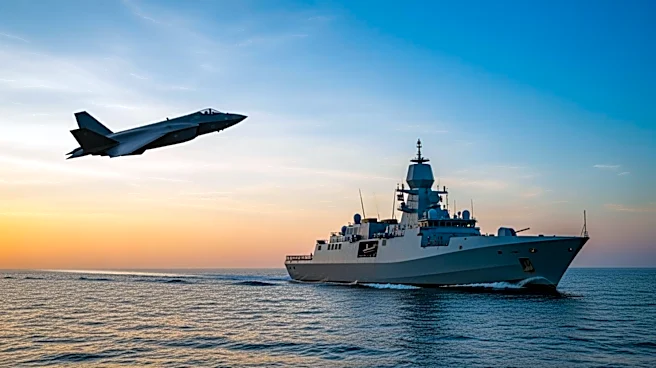
available to NATO in a crisis. President Trump has criticized NATO, suggesting that European members should take primary responsibility for the continent's defense. The U.S. plans to cut contributions to the NATO Force Model, which includes forces that could be activated during a crisis. Grynkewich highlighted areas such as manned and unmanned aircraft and naval vessels where allies can step up as the U.S. reduces its forces in Europe.
Why It's Important?
The reduction in U.S. military assets available to NATO could lead to increased pressure on European allies to fill the gap, potentially straining their resources. This shift reflects a broader strategic realignment by the Trump administration, emphasizing the need for allies to assume greater responsibility for their defense. The move could impact NATO's overall readiness and cohesion, as European countries may need to invest more in their military capabilities. The decision also raises concerns about potential defense gaps, although NATO officials have stated that allies have sufficient capabilities to prevent such gaps.
What's Next?
European NATO members and Canada are expected to increase their contributions to NATO's defense plans, particularly in areas like aircraft and naval vessels. The upcoming NATO summit in Ankara may address these changes and discuss how allies can replace U.S. capabilities. The reduction in U.S. contributions could lead to further discussions on NATO's future strategy and the balance of military responsibilities among member countries.