



What's Happening?
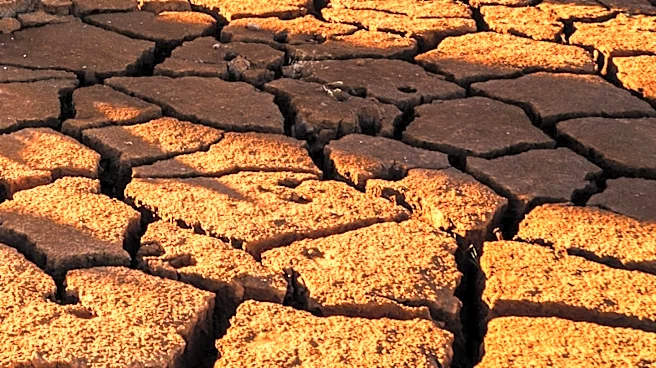
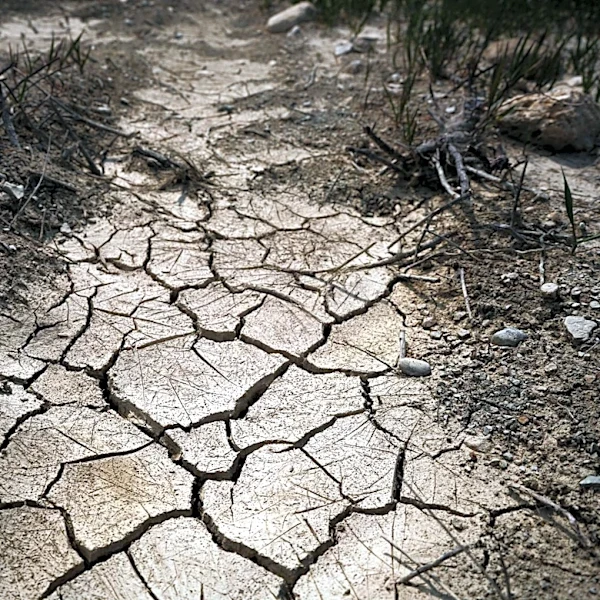
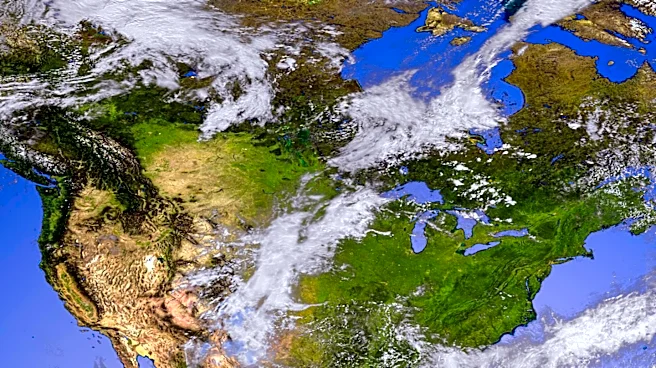
A growing flash drought across the central United States, coupled with persistent wildfire smoke and the rapid development of El Niño, is creating a challenging weather outlook for North American agriculture. According to Nutrien meteorologist Eric Snodgrass,
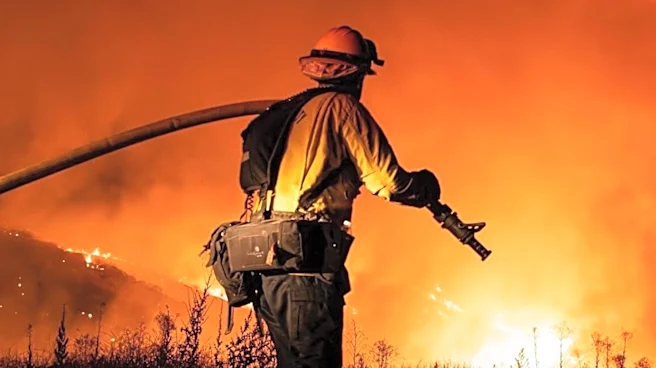
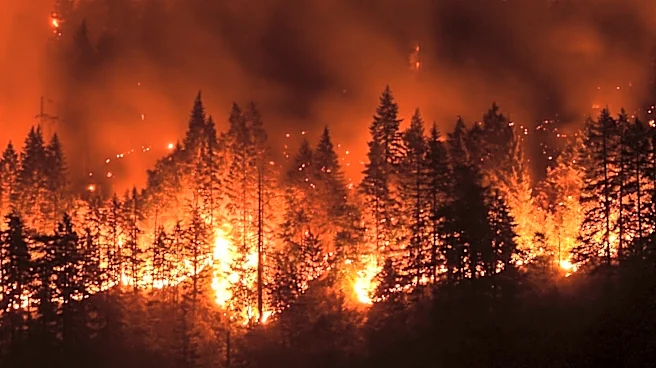
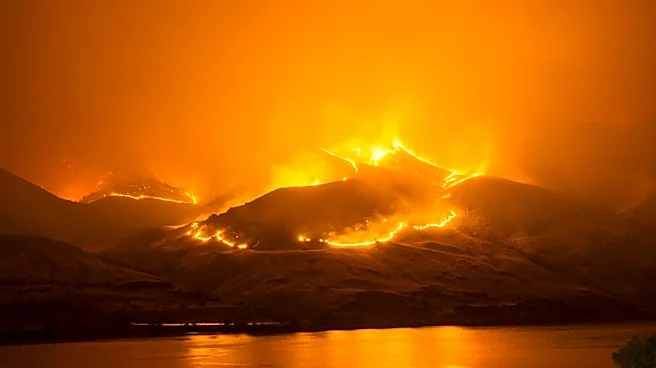
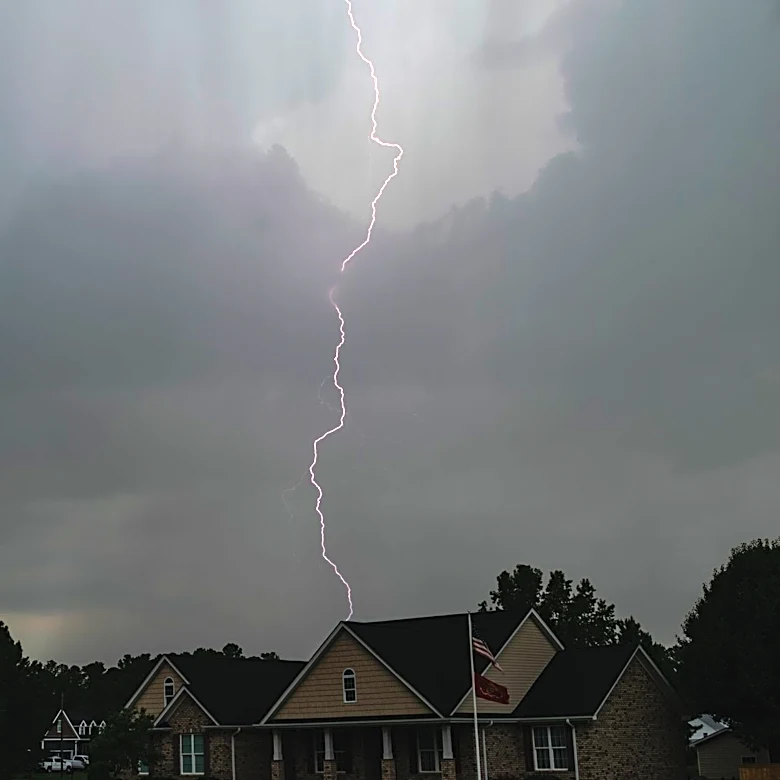
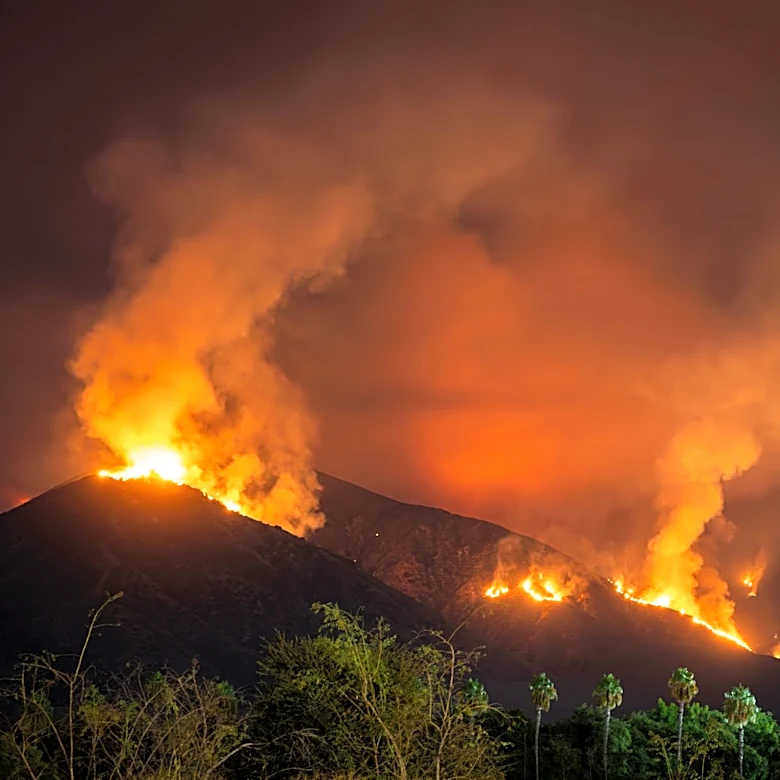
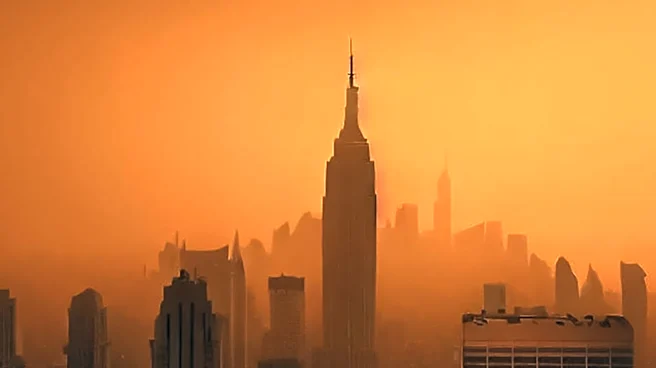
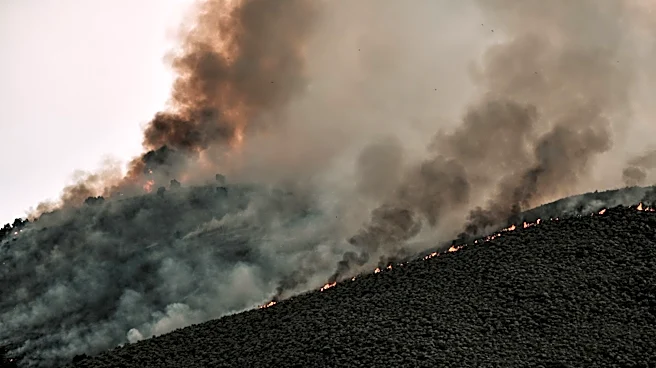
a large ridge of high pressure has dominated weather patterns, leading to uneven rainfall and declining soil moisture in key crop-producing regions. Recent storms have provided some relief in southern Canada, but new fires in Washington and Oregon are contributing fresh smoke to the U.S. air masses. The rapid deterioration of soil moisture is particularly concerning for corn and soybean regions, where crops depend on timely summer precipitation. Despite thunderstorms, rainfall remains localized, creating a checkerboard effect of moisture distribution.
Why It's Important?
The development of a flash drought poses significant risks to agriculture in the central United States, particularly for corn and soybean producers. Flash droughts can emerge quickly, placing stress on crops during critical growth stages. The situation is exacerbated by the unpredictability of weather patterns, making it difficult for farmers to plan effectively. The influence of El Niño, which is expected to strengthen, could further impact global weather patterns, affecting precipitation and temperature trends. This could lead to continued drought conditions in some areas while increasing precipitation in others, impacting crop yields and agricultural productivity.
What's Next?
As El Niño strengthens, it is likely to become a major driver of weather patterns from mid-August through next spring. This could result in continued drought development in parts of the central U.S. and more active precipitation in eastern regions. Farmers are advised to focus on weather ranges and risk scenarios rather than specific forecasts due to low confidence in long-range predictions. The Climate Prediction Center's outlook suggests drought improvement in some areas due to increased precipitation, but vigilance is required as crop development enters a critical phase.