




What's Happening?
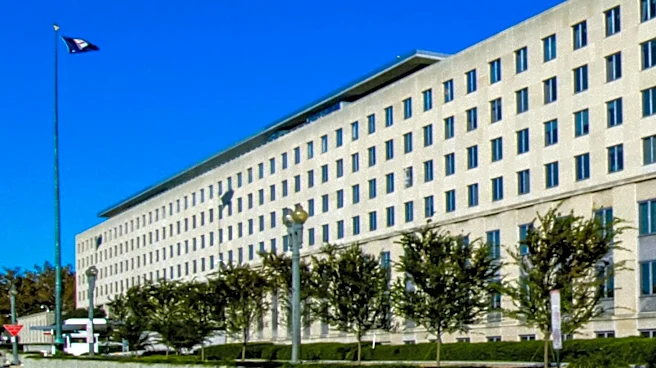
The J-1 visa program, established in 1961 under the Mutual Educational and Cultural Exchange Act, enables foreign nationals to participate in U.S. educational and cultural exchange programs approved by the Department of State (DOS). Annually, approximately
300,000 individuals from around 200 countries utilize J-1 visas. The program encompasses 15 categories, including Au Pair, Camp Counselor, College and University Student, and Research Scholar. While the DOS views the program as a vital foreign policy tool for fostering democratic principles and spreading American values, it has faced ongoing concerns. These concerns include issues related to child safety, national security, and adequate protections for both U.S. workers and exchange visitors (EVs). Congress maintains an active interest in ensuring the program aligns with its intended purposes.
Why It's Important?
The J-1 visa program holds significant importance for the U.S. by promoting international understanding and strengthening diplomatic ties through cultural and educational exchanges. It brings diverse perspectives and skills to American communities and institutions, enriching the educational landscape and fostering global connections. However, the program's policy considerations, particularly those concerning U.S. workers and EV exploitation, are critical. Some observers argue that certain employment-based J-1 categories may disadvantage U.S. workers due to financial incentives for employers, such as exemptions from certain payroll taxes. Additionally, national security concerns arise regarding EVs with access to sensitive research or technology. Addressing these issues is vital to maintaining the program's integrity, ensuring fair labor practices, and safeguarding national interests, while continuing to reap the benefits of international exchange.
What's Next?
The DOS has announced rulemaking plans to address some of the concerns surrounding the J-1 program. These plans include revisions for the au pair program to enhance childcare hours, compensation, and participant protections, as well as to provide additional educational options. The camp counselor program is also slated for adjustments to better align with public diplomacy objectives. Furthermore, the college and university student program will see changes related to allowing students to gain practical experience in their fields. Congress continues to monitor the program, with ongoing discussions about potential reforms, including making the Conrad 30 Waiver Program permanent or expanding it to address physician shortages in medically underserved areas. These upcoming changes aim to refine the program's structure and address long-standing criticisms.
Beyond the Headlines
Beyond its immediate policy implications, the J-1 visa program reflects a broader tension between the U.S.'s commitment to global engagement and its domestic concerns regarding labor and security. The program's design, which allows for both cultural exchange and temporary work, inherently creates a complex regulatory environment. The ethical dimension of ensuring fair treatment and preventing exploitation of EVs, particularly in categories like au pair and summer work travel, is a continuous challenge. The program also plays a subtle but significant role in U.S. soft power, cultivating future leaders and fostering goodwill towards the U.S. globally. Any adjustments to the J-1 visa program will therefore not only impact individual participants and U.S. industries but also shape the U.S.'s international image and its long-term diplomatic objectives.