





What's Happening?
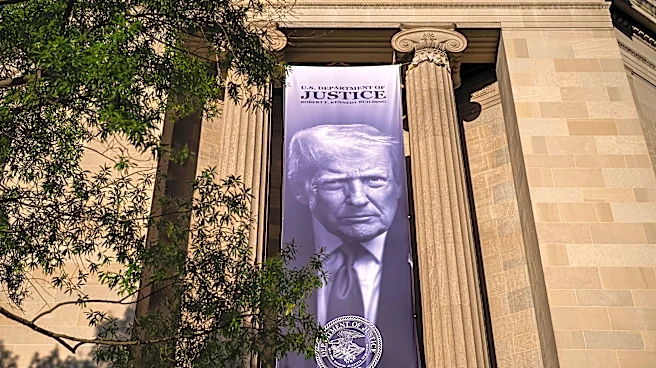
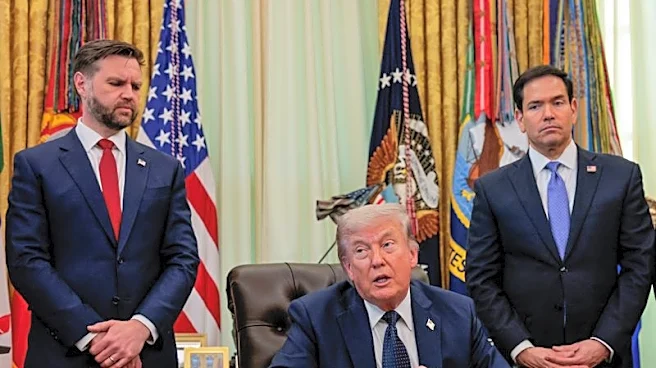
A small but increasing number of Republican senators are beginning to challenge President Trump on various issues as the 2026 midterm elections approach. These senators are expressing dissent on topics such as the Iran war, administration nominees, and
a controversial Justice Department fund. The political landscape is shifting as the cost of unwavering loyalty to President Trump becomes more difficult to assess. This development highlights a growing divide within the Republican Party, as some members are reevaluating their positions in light of upcoming electoral challenges.
Why It's Important?
The actions of these Republican senators could have significant implications for the party's unity and strategy leading up to the 2026 midterm elections. By challenging President Trump, these senators may influence public perception and voter behavior, potentially affecting the party's performance in the elections. This internal dissent could also impact legislative priorities and the administration's ability to implement its agenda. The situation underscores the complexities of party loyalty and the potential for shifts in political alliances as electoral pressures mount.
What's Next?
As the 2026 midterm elections draw closer, it is likely that more Republican senators may join the ranks of those challenging President Trump. This could lead to increased debate and division within the party, affecting its overall strategy and cohesion. The response from President Trump and his supporters will be crucial in determining the future dynamics within the Republican Party. Additionally, the outcome of the midterm elections will provide insight into the effectiveness of this dissent and its impact on the party's electoral success.