




What's Happening?
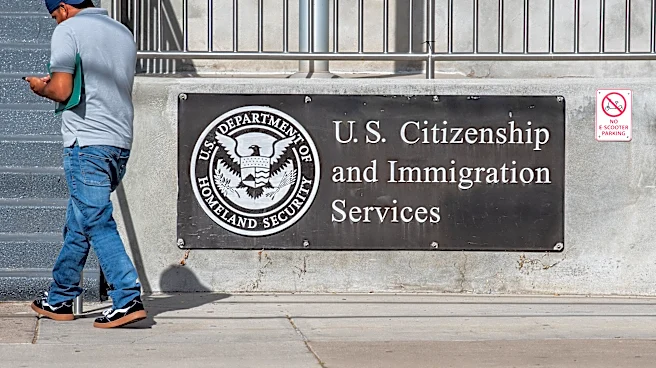
Aliya Rahman, a disabled Minneapolis resident, has filed an assault and false imprisonment lawsuit against the federal government. This action follows her detention by federal immigration agents last January, during which she alleges agents smashed her car
windows, pulled her out, ignored her U.S. citizenship claims, taunted her disability, and withheld medical care. Rahman testified before Congress in February about these events. She previously filed a tort claim against ICE and the Department of Homeland Security (DHS) in April, seeking personal injury damages, and a complaint with DHS's internal Office for Civil Rights and Civil Liberties in June. Both previous attempts for accountability went unanswered. Her lawyer, Jessica Gingold of the MacArthur Justice Center, stated that the federal government has "chosen to hide" by not responding to their inquiries. The lawsuit aims to unmask the names of the officers involved, whose images are attached as an exhibit.
Why It's Important?
This lawsuit is significant as it represents a continued effort to hold federal immigration agencies accountable for alleged misconduct and excessive force. It highlights the challenges individuals face when seeking redress against federal agencies, particularly concerning issues of qualified immunity for law enforcement officers. The case could set a precedent for other individuals seeking legal restitution for harm caused by ICE and DHS, potentially making the process more accessible through its 'copy and pasteable' nature. The lawsuit also draws attention to broader concerns about the operations of ICE, particularly in the context of operations like 'Metro Surge,' which Human Rights Watch described as a 'humanitarian crisis.' The outcome could influence future policies regarding federal agent accountability and the transparency of their operations, impacting civil liberties and the rights of individuals during encounters with immigration enforcement.
What's Next?
The lawsuit will proceed through the federal court system, where Aliya Rahman's legal team will seek to unmask the names of the ICE officers involved and obtain their records. This process is expected to be lengthy and could involve discovery phases, depositions, and potentially a trial. The case may face legal challenges from the federal government, which has previously asserted federal immunity for ICE officers. The outcome of this lawsuit could influence ongoing debates about immigration enforcement practices and the scope of federal agent immunity. It may also encourage other individuals who have experienced similar incidents to pursue legal action, potentially leading to a wave of similar lawsuits against federal agencies. Additionally, the case could reignite calls for legislative reforms regarding accountability within federal law enforcement.
Beyond the Headlines
Beyond the immediate legal implications, this lawsuit touches upon deeper ethical and systemic issues within federal law enforcement. The alleged actions, including ignoring U.S. citizenship claims and withholding medical care, raise serious questions about due process and human rights. The case also highlights the power imbalance between individuals and federal agencies, particularly when those agencies operate with perceived impunity. The push to unmask the officers involved speaks to a broader societal demand for transparency and accountability from government entities. Furthermore, the lawsuit's potential to be 'copy and pasteable' suggests a strategic effort to create a template for challenging systemic issues, which could have long-term implications for how civil rights organizations approach litigation against federal agencies. This case could contribute to a cultural shift towards greater scrutiny of law enforcement practices and a reevaluation of qualified immunity doctrines.