


What's Happening?
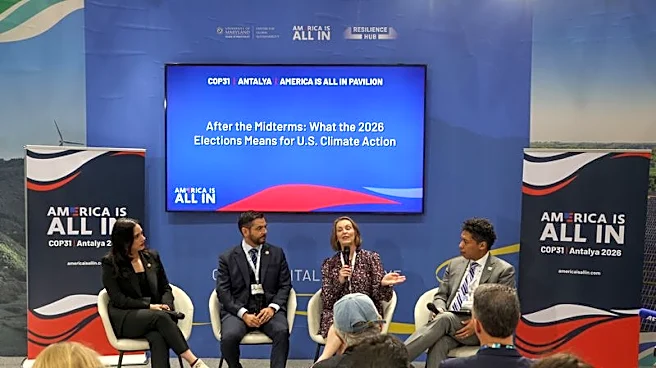
The 31st UN Climate Change Conference (COP31) in Antalya, Turkey, from November 9-20, 2026, has been characterized by pluralism and stark contradictions, according to an observer from King's College London. Despite being billed as a delivery milestone,
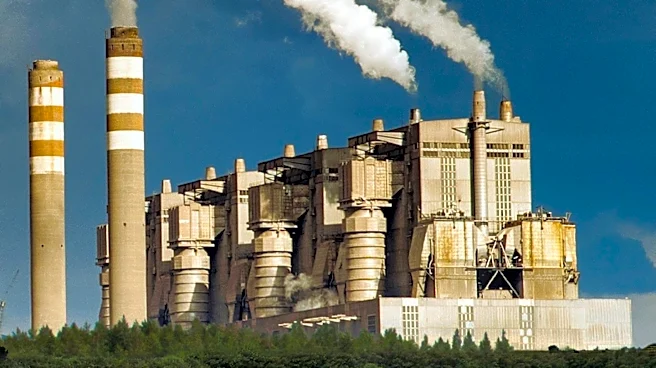
the summit revealed deep tensions between ambitious voluntary targets, continued domestic fossil fuel expansion, persistent financial stalemates, and the friction between digital ambition and energy security. The leadership, with Turkey's Environment Minister Murat Kurum as COP President and Australia's Climate Change and Energy Minister Chris Bowen presiding over negotiations, aimed for an early decision text. However, developing nations stressed the need for structural finance, emission reductions, and just transition frameworks over voluntary targets. A central point of contention is whether the final text will include a 'transition away from fossil fuels,' a commitment from COP28, with fossil fuel-producing countries resisting strong language.
Why It's Important?
COP31's experience underscores the complex and often conflicting dynamics at play in global climate governance. The fragmentation of state-level leadership, coupled with the continued expansion of fossil fuel projects by some nations, undermines the credibility of international climate commitments. The financial deadlock, particularly the significant gap in adaptation finance for developing nations, highlights a 'structural injustice' that could impede global progress on climate action. This situation affects not only environmental outcomes but also international relations, economic development, and social equity. The influence of fossil fuel lobbyists in official delegations further complicates efforts to achieve a meaningful transition, raising questions about the integrity of the negotiation process. The unresolved questions of delivery at COP31 reflect broader challenges in translating climate rhetoric into concrete, equitable, and enforceable actions.
What's Next?
The negotiations at COP31 are heading into their final week with finance remaining the primary deadlock. Developing nations, led by groups like the G77 and the African Group, are clashing with wealthy donor nations over accounting rules and demanding public grants rather than commercial loans for adaptation. The Brazilian proposal for a global roadmap to phase out fossil fuels was welcomed but its adoption by the COP31 Presidency is uncertain. The summit also saw the launch of a voluntary, non-binding initiative on 'high-quality carbon crediting markets' by China, Turkey, and Ethiopia, aiming for policy dialogue and capacity-building, though its impact on addressing underlying methodological flaws in carbon markets is debated. The outcomes of these negotiations will shape the global climate agenda and influence the pace and equity of the transition to a low-carbon economy.
Beyond the Headlines
The COP31 experience reveals a deeper struggle for power and influence in global climate policy. While civil society plays a crucial role in amplifying the moral case for action and creating political pressure, direct power largely resides with states and corporations. The 'electrification paradox,' where scaling AI infrastructure can lead to energy security crises and reliance on geopolitical rivals, highlights the complex interplay between technological advancement, energy policy, and international relations. The challenges in greening heavy industries, where technical capability doesn't always translate to economic viability, underscore the need for equitable burden-sharing to prevent new economic inequalities. The presence of diverse voices, including those from Russia, Iran, and Palestine, despite their political contexts, suggests that COPs can serve as unique, albeit imperfect, platforms for multilateral dialogue on environmental issues, even amidst geopolitical tensions.