




What's Happening?
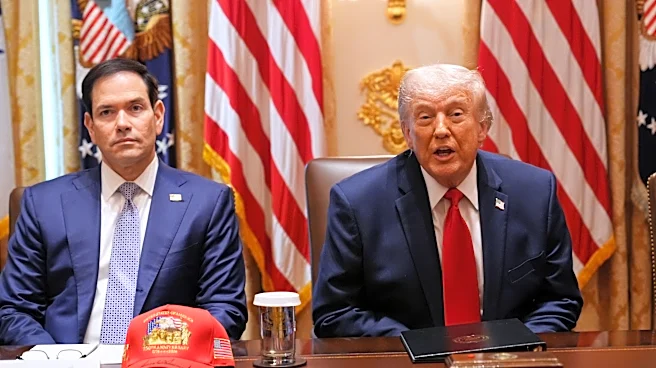
The ongoing conflict between the U.S. and Iran has led to significant disruptions in global oil markets, particularly affecting the Strait of Hormuz, a critical chokepoint for global oil supply. Despite efforts by the Trump administration to resolve the situation
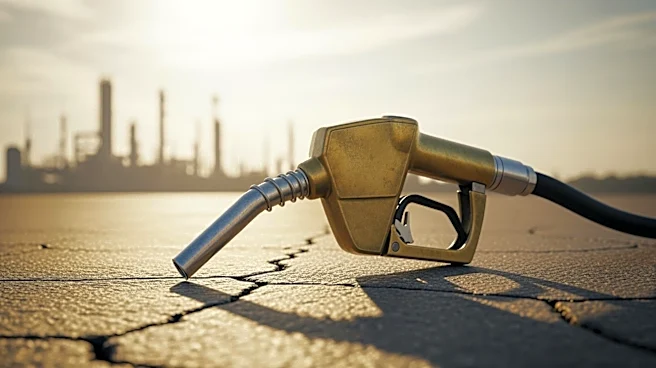
through diplomacy, the conflict has resulted in elevated gas prices in the U.S., with the national average reaching $4.241 per gallon. Analysts suggest that even if the Strait were to reopen immediately, it would take months for oil flows to normalize due to logistical challenges. This situation poses a political challenge for Republicans as they approach the midterm elections, with concerns that the economic impact could persist beyond the conflict itself.
Why It's Important?
The economic repercussions of the U.S.-Iran conflict are significant, with American households facing increased costs due to higher fuel prices. This situation could influence voter sentiment in the upcoming midterm elections, potentially affecting the Republican Party's hold on the House. The conflict underscores the vulnerability of global energy markets to geopolitical tensions and highlights the importance of energy independence and stability. The Trump administration's handling of the situation, including its diplomatic and military strategies, will likely be scrutinized by voters concerned about economic security.
What's Next?
The resolution of the conflict and its impact on the U.S. economy will be closely watched as the midterm elections approach. Republican strategists emphasize the need for a resolution by July Fourth to allow the economy to recover in time for the elections. The administration's ability to negotiate a successful end to the conflict and stabilize gas prices will be critical in shaping the political landscape. Additionally, the White House aims to shift public focus to America's 250th anniversary celebrations, which could influence public perception and voter priorities.