




What's Happening?
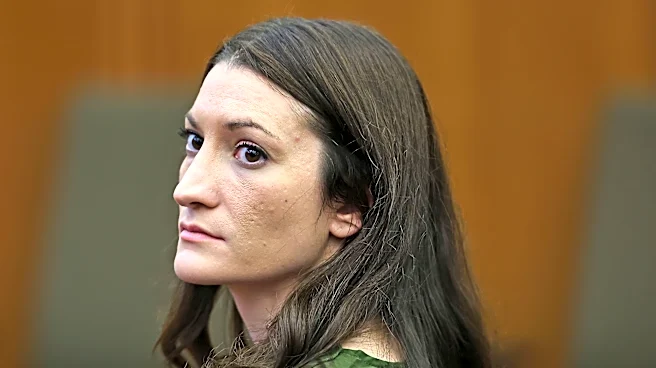
A Boston Globe investigation reveals how flawed forensic science contributed to the wrongful conviction of Frances Choy in a 2003 Brockton arson-murder case. The case involved a fire that killed her parents, Anne and Jimmy Choy. Initially, investigators
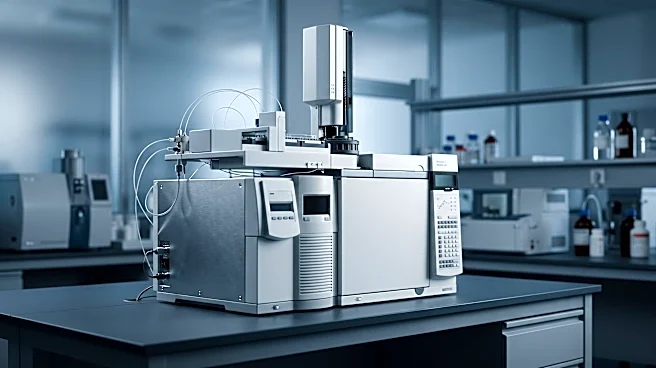
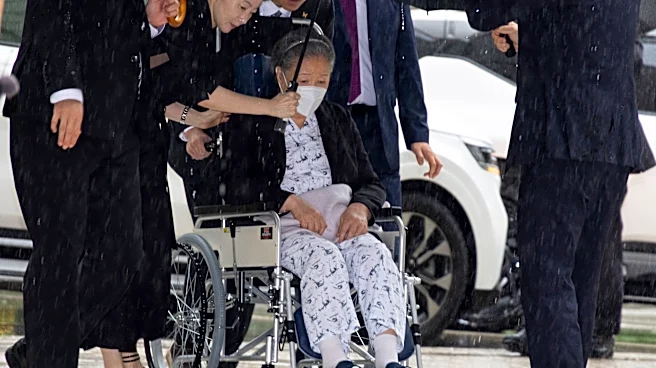
suspected Kenneth Choy, Frances's cousin, due to incriminating evidence found in his room. However, an accelerant-sniffing dog alerted to Frances's sweatpants, leading to her interrogation and eventual conviction. The Massachusetts State Police Crime Lab, led by John Drugan, reported a 'gasoline residue' on Frances's sweatpants, a finding that was heavily emphasized by the prosecution. Subsequent analysis by independent forensic scientists, Eric Hazelrigg and Glen Jackson, concluded that the lab's data was too inconclusive to definitively identify gasoline, citing interference from pyrolysis and a lack of key chemical patterns required by forensic standards at the time. Frances Choy spent years in prison before her conviction was overturned in 2020 due to a raft of issues, including prosecutorial misconduct and the failure of her initial defense to challenge the forensic evidence effectively.
Why It's Important?
This case highlights critical vulnerabilities within the U.S. criminal justice system, particularly concerning the reliability and interpretation of forensic science. The wrongful conviction of Frances Choy underscores how legitimate scientific methods can be 'twisted' or misapplied, leading to severe consequences for individuals. The reliance on potentially biased or inconclusive forensic findings, as demonstrated by the 'gasoline residue' report, can sway juries and judges, undermining the principle of justice. The failure of the defense to secure an independent chemistry expert further illustrates a systemic issue where defendants may lack the resources to challenge complex scientific evidence. This situation can disproportionately affect those without adequate legal representation, leading to prolonged incarceration for innocent individuals. The case also brings to light the potential for prosecutorial misconduct and the need for greater transparency and accountability in crime labs to prevent similar miscarriages of justice.
What's Next?
The Boston Globe's 'Twisted Science' series aims to explore remedies for such overlooked problems in forensic science. This suggests a continued focus on advocating for reforms within crime labs and legal procedures. Potential next steps could include increased funding for independent forensic analysis for defense teams, stricter guidelines for the interpretation and presentation of forensic evidence in court, and enhanced oversight of crime lab practices. The ongoing legal actions against the prosecutors involved in the Choy case, facing potential suspensions of their law licenses, indicate a move towards greater accountability for misconduct. Furthermore, the case may prompt broader discussions among legal professionals, policymakers, and civil society groups about the need for comprehensive reforms to ensure that forensic science is applied with the highest standards of objectivity and integrity, thereby safeguarding against wrongful convictions.
Beyond the Headlines
The Frances Choy case delves into the ethical and systemic challenges within forensic science and the broader legal framework. It exposes how the pressure to secure convictions can lead to the misinterpretation of scientific data, even when legitimate tests are conducted. The concept of 'masked' analysis, where forensic scientists evaluate data without prior knowledge of the case specifics, is crucial for mitigating bias, as highlighted by Glen Jackson's approach. The case also touches upon the cultural dimensions of justice, with prosecutors engaging in Asian stereotypes, which further tainted the legal process. This incident underscores the long-term societal impact of wrongful convictions, not only on the individuals directly affected but also on public trust in the justice system. It calls for a re-evaluation of how scientific evidence is presented, challenged, and understood in courtrooms, emphasizing the need for continuous improvement in forensic methodologies and legal safeguards to uphold justice and prevent future errors.