



What's Happening?
Consumer confidence in the United States has declined by 6% in March, according to the University of Michigan's Surveys of Consumers. This drop in sentiment is attributed to rising gas prices and volatile financial markets, exacerbated by geopolitical
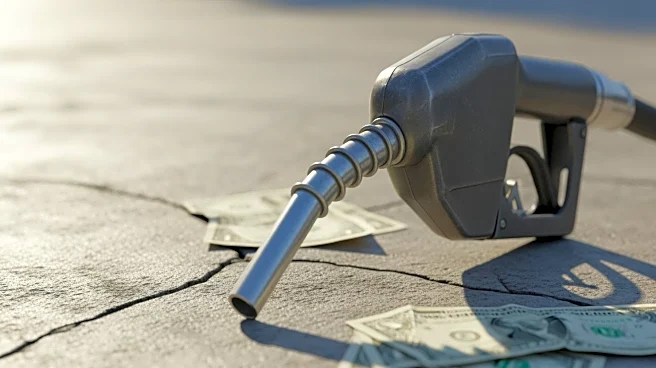
tensions following the U.S. and Israel's attack on Iran. The survey indicates that consumers with middle and higher incomes have experienced significant declines in confidence, with short-term economic outlooks plunging by 14%. Inflation expectations have also risen, with consumers anticipating a 3.8% increase over the next year. The average price of regular gas has reached $3.98 per gallon, a significant increase from the previous month.
Why It's Important?
The decline in consumer confidence is a critical indicator of potential economic challenges, as consumer spending is a major driver of the U.S. economy. Rising gas prices and inflation concerns could lead to reduced consumer spending, impacting retail sales and overall economic growth. The geopolitical tensions and their effect on oil prices add uncertainty to the economic outlook, potentially affecting business operations and investment decisions. The National Retail Federation's forecast of a 4.4% increase in retail sales may be challenged if consumer confidence continues to wane.
What's Next?
Businesses and policymakers will need to monitor consumer sentiment closely, as prolonged declines could necessitate adjustments in economic policy or business strategies. Companies like Lululemon Athletica are already adapting by focusing on product improvements and full-price sales to counteract potential declines in consumer spending. The broader economic impact will depend on the resolution of geopolitical tensions and stabilization of gas prices. Stakeholders will be watching for any policy measures that could mitigate inflationary pressures and support consumer confidence.