


What's Happening?
An internal affairs investigation by the Worcester Police Department concluded that officers did not give preferential treatment to City Councilor Kathleen Toomey following a car crash on September 2. Chief Paul Saucier initiated the probe after Toomey sideswiped
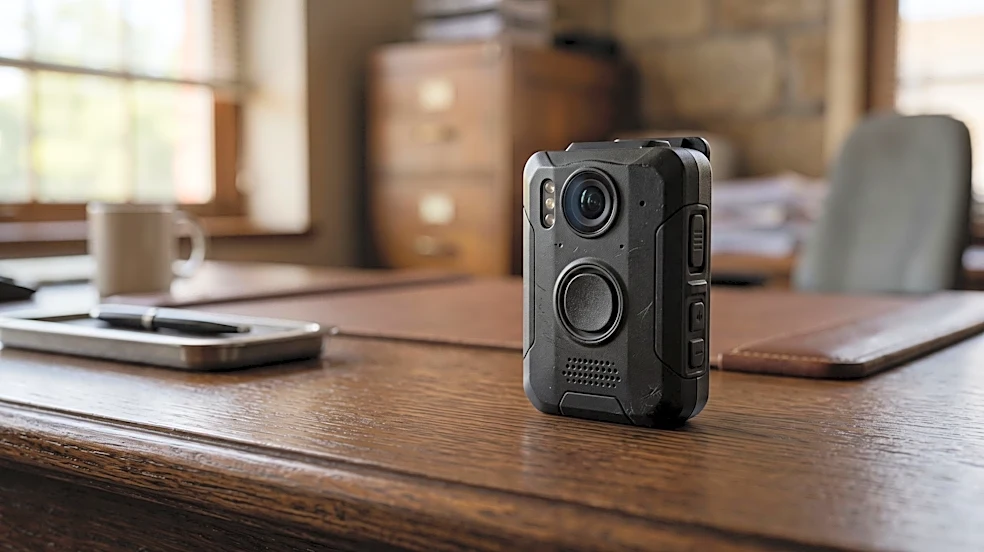
a parked car around midnight. The investigation, detailed in a 53-page report by Captain Sean Murtha, found that officers had valid reasons for not administering field sobriety tests, citing Toomey's disability and the absence of portable breathalyzers. However, one officer, Joseph Fitton, was found to have violated police policy by muting his body camera for most of the incident. This finding has led to calls for Fitton to undergo retraining on body-worn camera policy. Despite the internal findings, police oversight advocates and local activist groups, including the Worcester Civilian Review Board Coalition, have expressed skepticism and renewed their demands for an independent civilian review board.
Why It's Important?
This incident and the subsequent internal investigation highlight ongoing tensions regarding police accountability and transparency in Worcester. The differing accounts between the police report and witnesses, who claimed Toomey appeared intoxicated, fuel public distrust in internal police probes. The decision not to administer field sobriety tests, partly due to Toomey's disability and the lack of portable breathalyzers, raises questions about the protocols for assessing impairment in such situations. The muted body camera footage further exacerbates concerns about transparency and potential cover-ups. For City Councilor Toomey, who has been a staunch supporter of the police, the incident has led to calls for her permanent recusal from the Public Safety Committee, impacting her political standing and the council's dynamics. The renewed push for a civilian review board reflects a broader societal demand for external oversight of law enforcement to ensure impartiality and public confidence.
What's Next?
The Worcester Police Department has updated its policies to require a sergeant or higher-ranking officer to be present at any incident involving an elected official, aiming to prevent future accusations of preferential treatment. Officer Joseph Fitton will undergo retraining on body-worn camera policy due to his violation. However, local activist groups, including the Worcester Civilian Review Board Coalition, are expected to intensify their advocacy for an independent civilian review board with subpoena power, arguing that internal investigations lack credibility. Fred Taylor, president of the Worcester branch of the NAACP, has called for Councilor Toomey to permanently recuse herself from the Public Safety Committee, and some suggest she should step down from the City Council entirely. The ongoing debate over police accountability and the role of elected officials in such incidents will likely remain a significant topic in Worcester's local politics.
Beyond the Headlines
The controversy surrounding Councilor Toomey's crash and the police investigation touches upon fundamental issues of public trust, ethical conduct in public service, and the effectiveness of internal oversight mechanisms within law enforcement. The incident underscores the challenges of maintaining impartiality when public figures are involved in legal matters, particularly when there are perceived conflicts of interest or political influence. The debate over a civilian review board reflects a national conversation about police reform and the need for external checks and balances to ensure accountability and transparency. The differing perspectives between law enforcement and community advocates highlight a systemic challenge in bridging the gap between official findings and public perception, especially when body camera footage is incomplete or witnesses' accounts are dismissed. This event could serve as a catalyst for broader discussions on police training, equipment, and the implementation of robust oversight bodies in Worcester.