





What's Happening?
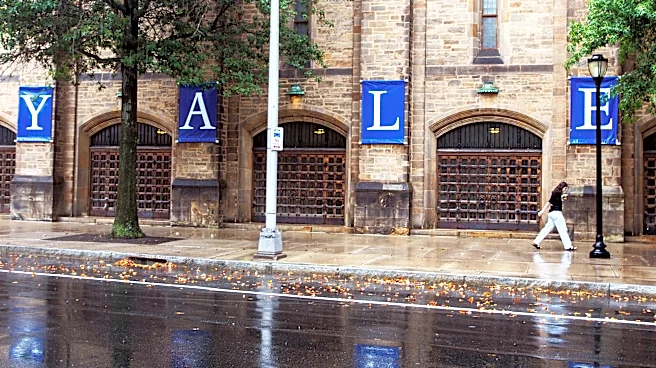
Georgetown University is under scrutiny for allegedly failing to register as a foreign agent of Qatar, following a $630,000 contract with the Qatari Foreign Ministry. The contract, aimed at supporting research on Islamophobia, has drawn criticism from
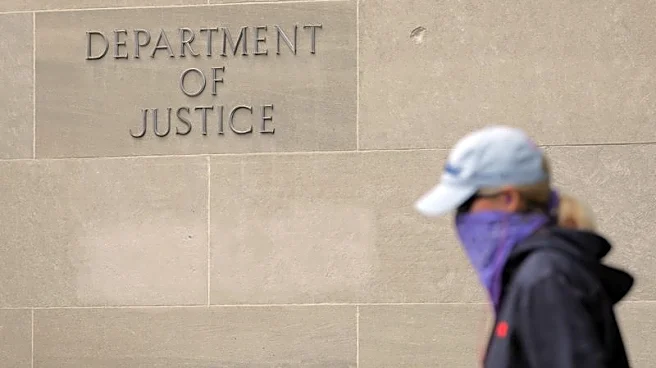
conservative groups who argue it allows undue influence over the university's programming. The Louis D. Brandeis Center for Human Rights Under Law has urged the Justice Department to investigate, citing potential violations of the Foreign Agents Registration Act (FARA). Georgetown maintains that the contract preserves its academic freedom and autonomy, while Qatar's embassy has dismissed the allegations as baseless. The university has operated a campus in Qatar for 20 years, further complicating the narrative.
Why It's Important?
This situation raises significant questions about foreign influence in U.S. academic institutions and the transparency of international funding. The allegations against Georgetown could set a precedent for how universities manage foreign partnerships and comply with FARA. The case also highlights the broader geopolitical tensions influencing U.S. higher education, particularly regarding Middle Eastern countries. If the Justice Department pursues an investigation, it could lead to increased scrutiny of foreign funding in academia, potentially affecting how universities engage with international partners and manage their financial disclosures.
What's Next?
The Justice Department's response to the Brandeis Center's request will be pivotal. If an investigation is launched, it could prompt other universities to reassess their foreign contracts and compliance with FARA. Congressional Republicans' ongoing criticism of foreign ties in academia suggests that legislative or regulatory changes could follow. Universities may need to enhance transparency and reporting practices to mitigate risks associated with foreign funding. The outcome of this case could influence future academic collaborations and the legal landscape governing foreign influence in U.S. education.