





What's Happening?
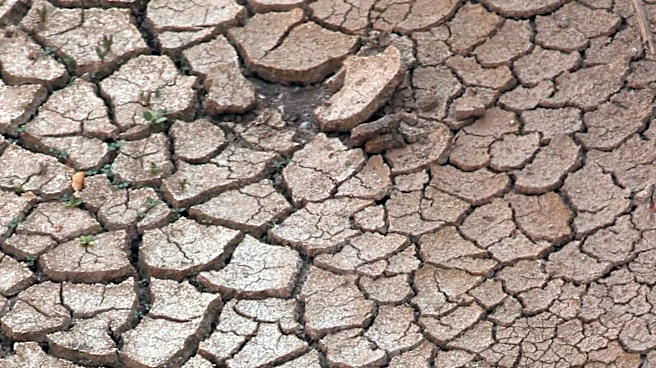
WWF Hungary has produced a new three-part documentary series focusing on the water crisis in the Hungarian Sandridge, located within the Danube-Tisza interfluve in central Hungary. The series, titled 'Homokhátság,' explores the causes of the region's
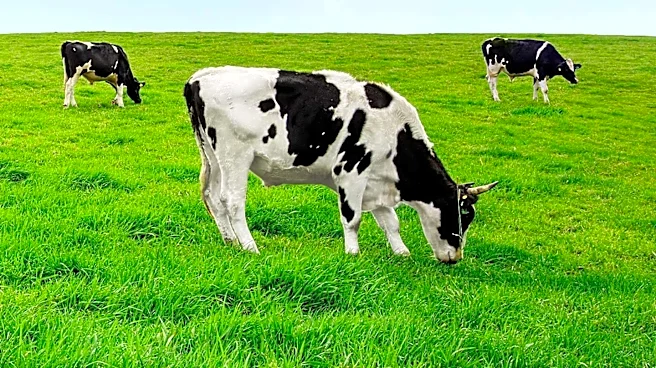
water scarcity, the impact of climate change, and potential solutions to retain water in the landscape. Researchers, farmers, and local communities are featured, sharing their experiences and discussing adaptation strategies. The documentary highlights the importance of natural water retention, improving soil health, minimizing soil disturbance, using drought-tolerant crops, and introducing grassland management and extensive livestock farming. The series also showcases the 'Vízőrző' ('Water Guardian') movement, a local initiative demonstrating community action in protecting water resources. The current landscape, dominated by water-intensive arable farming and plantation-style forests, is deemed unsustainable due to its pressure on water resources, necessitating a shift towards more grasslands and wetlands.
Why It's Important?
This documentary series is important as it sheds light on a critical environmental issue with significant implications for agriculture, ecosystems, and local communities. The water crisis in the Hungarian Sandridge, exacerbated by climate change, serves as a case study for similar challenges faced globally, including in parts of the U.S. where water resources are under strain. The proposed solutions, such as nature-based approaches to water retention and sustainable agricultural practices, offer valuable insights for policymakers and environmental organizations. The shift away from water-intensive farming and towards more resilient land use practices could inform agricultural policies aimed at long-term sustainability and climate adaptation. The involvement of local communities and the 'Water Guardian' movement underscore the importance of grassroots efforts in addressing environmental challenges, potentially inspiring similar initiatives in other regions facing water scarcity.
What's Next?
The documentary series, available on the WWF Hungary YouTube channel, aims to foster a better understanding of the complex challenges in the Sandridge and encourage broader engagement in finding solutions. The hope is that the series will prompt more people to get involved in developing sustainable land use approaches. Future steps will likely involve continued efforts by WWF Hungary and the MOSAIC Hungary Policy Lab to implement nature-based solutions tailored to local conditions. This includes working with farmers to adopt more drought-tolerant crops and sustainable livestock practices, and advocating for policy changes that support increased grasslands and wetlands. The success of these initiatives could serve as a model for other regions grappling with water scarcity and the impacts of climate change on agricultural landscapes.
Beyond the Headlines
The water crisis in the Hungarian Sandridge, as depicted in the documentary, highlights a deeper ethical and cultural dimension related to humanity's relationship with natural resources. The unsustainable land use practices, driven by economic pressures, have led to an ecological imbalance that threatens the long-term viability of the region. The series implicitly calls for a re-evaluation of agricultural priorities, moving beyond short-term gains to embrace practices that ensure ecological health and community resilience. The 'Water Guardian' movement exemplifies a growing global trend of local communities taking ownership of environmental stewardship, recognizing that collective action is crucial for addressing large-scale environmental degradation. This shift in mindset, from exploitation to conservation and adaptation, is a critical long-term implication, suggesting a potential cultural transformation in how societies interact with their environment.