








What's Happening?
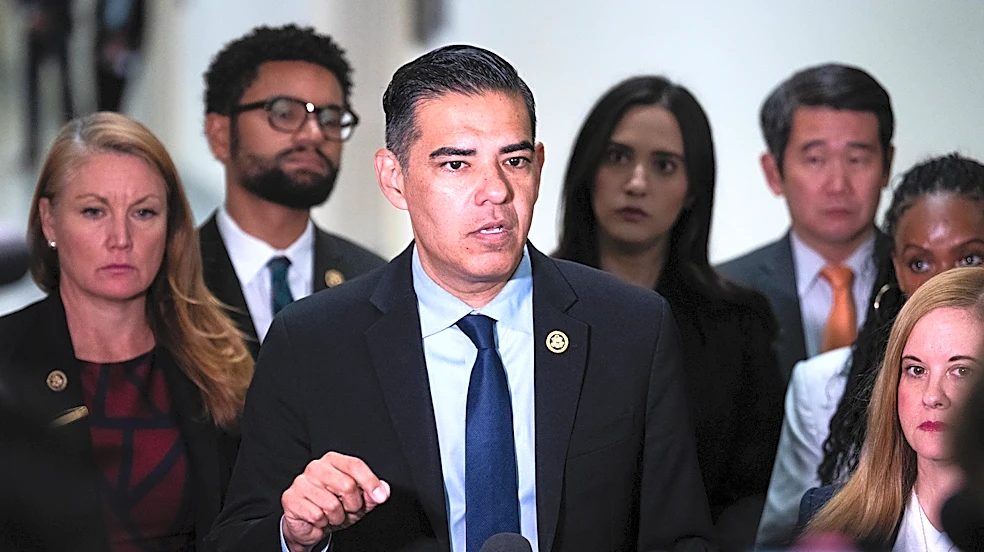
Representative Ritchie Torres (D-NY) has announced the introduction of the 'Power To The Players Act,' a bill aimed at safeguarding consumers' rights to own and play the video games they purchase. This proposed legislation would direct the Federal Trade
Commission (FTC) to establish regulations ensuring that purchasing a video game grants consumers actual ownership, rather than just a license to play. Furthermore, the bill mandates that games with online functionalities must provide an offline mode before their supporting servers are shut down. Rep. Torres emphasized that consumers should have the rights to own, play, and transfer the games they buy, ensuring long-term playability with friends and family. The initiative follows the 'Stop Killing Games' movement, an online campaign advocating against practices like game delisting and server shutdowns, which gained traction after Ubisoft removed the 2014 racing game 'The Crew' from player libraries. Torres cited 'NBA 2K25' as a recent example of problematic industry practices, noting its impending delisting and server shutdown just over two years after its release.
Why It's Important?
This bill represents a significant effort to shift the legal framework surrounding digital game ownership in the United States, potentially setting a precedent for consumer rights in the digital entertainment sector. If passed, it would challenge the prevailing industry model where consumers often only license software, giving publishers broad control over a game's lifespan and accessibility. For consumers, the act could provide greater assurance that their game purchases are long-term investments, protecting them from losing access to titles they've paid for due to publisher decisions. This could foster greater trust between players and game developers/publishers. For the video game industry, the legislation could necessitate substantial changes in how games are developed, distributed, and supported, particularly regarding the implementation of offline modes and the long-term availability of titles. It might also influence business models, potentially impacting revenue streams from online-only games or subscription services. The bill's success could also inspire similar legislative efforts in other digital content markets, extending its impact beyond just video games.
What's Next?
The 'Power To The Players Act' will now proceed through the legislative process in the U.S. Congress. This will involve committee reviews, potential amendments, and votes in both the House of Representatives and the Senate. Key stakeholders, including consumer advocacy groups, video game industry associations (such as the Entertainment Software Association), and individual publishers, are expected to engage actively in lobbying efforts both for and against the bill. The outcome will depend on bipartisan support and the ability of proponents to demonstrate the necessity of such regulations to protect consumer interests. Should the bill pass, the FTC would then be tasked with developing and implementing specific regulations, which could involve public comment periods and further industry consultation. The bill's progress will also be watched closely by international consumer rights organizations and lawmakers, particularly given previous unsuccessful attempts to pass similar legislation in Europe and California, suggesting a broader global interest in these issues.
Beyond the Headlines
The 'Power To The Players Act' touches upon fundamental questions of digital ownership in an increasingly digital world. It highlights the tension between traditional notions of property rights and the licensing models prevalent in software and digital media. Beyond the immediate impact on video games, this legislation could spark broader discussions about consumer rights in other digital domains, such as e-books, digital music, and software applications, where users often do not truly 'own' their purchases. Ethically, the bill challenges the practice of rendering purchased digital goods unusable, raising questions about the perceived value and longevity of digital products. Legally, it could redefine the terms of service agreements that consumers implicitly accept when purchasing digital content. Culturally, it reflects a growing consumer demand for greater control over digital assets, pushing back against corporate control over digital libraries. This legislative effort could be a bellwether for a larger societal shift towards re-evaluating and strengthening digital consumer rights in the face of evolving technological landscapes.