

What's Happening?
Climate scientists warn that a 'super' El Niño, characterized by significantly above-average sea surface temperatures, is expected to bring a wet winter to the western and southeastern United States. The phenomenon is predicted to be the strongest of
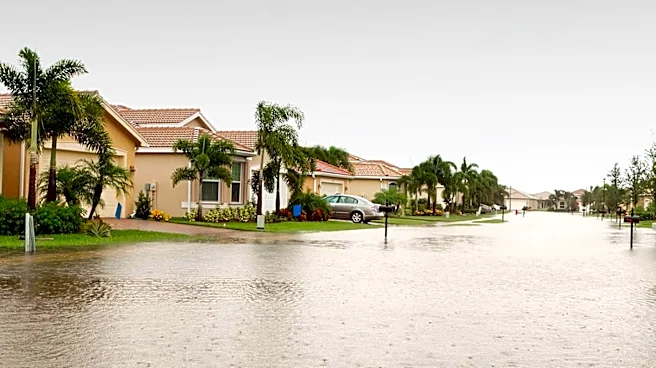
the century, with California facing a high likelihood of above-average rainfall. Historical data shows that past El Niño events have caused severe flooding and coastal erosion in California. The National Oceanic and Atmospheric Administration (NOAA) anticipates the weather system to intensify in the fall and winter, persisting until early spring 2027.
Why It's Important?
The anticipated El Niño event poses significant risks to regions already vulnerable to extreme weather, such as California, which has experienced devastating impacts from past El Niños. The potential for increased precipitation and flooding could exacerbate existing challenges related to water management, infrastructure resilience, and disaster preparedness. The event also serves as a reminder of the broader impacts of climate change, highlighting the need for adaptive strategies to mitigate risks associated with extreme weather patterns. Stakeholders, including government agencies and communities, must prepare for potential disruptions and prioritize investments in climate resilience.
What's Next?
As the El Niño event develops, monitoring and forecasting will be crucial to provide timely warnings and prepare for potential impacts. Authorities may need to implement emergency measures to protect vulnerable communities and infrastructure. Long-term, the event underscores the importance of integrating climate change considerations into planning and development to enhance resilience against future climate-related challenges.