


What's Happening?
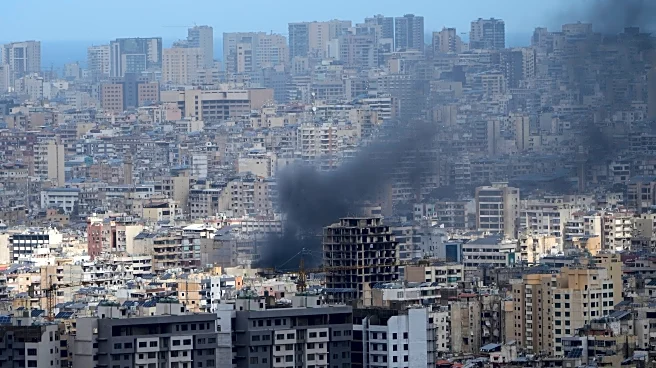
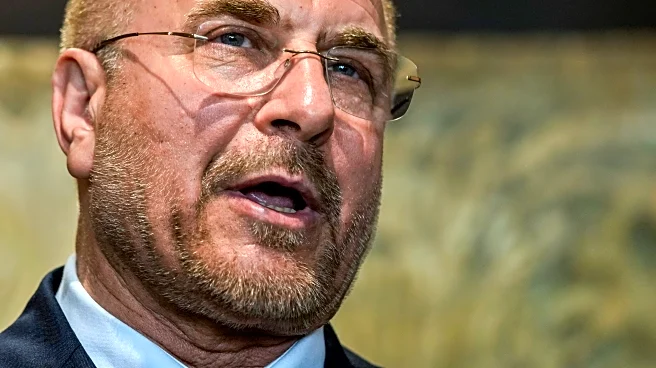
The status of negotiations between the U.S. and Iran regarding the ongoing conflict remains unclear, with conflicting statements from both sides. President Trump has announced that discussions are underway with a 'new, more reasonable regime' in Iran,
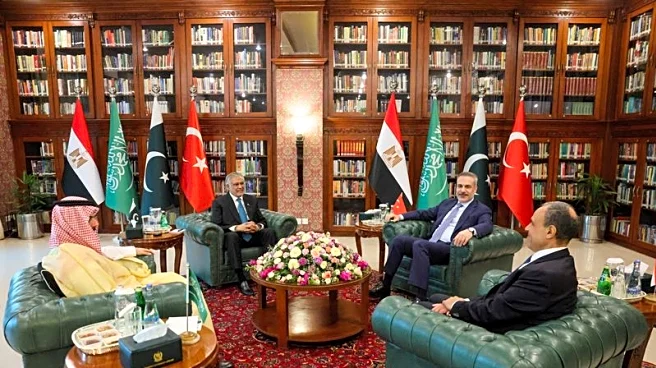
claiming progress in talks. However, Iran denies any negotiations are taking place, stating that only proposals have been exchanged through intermediaries like Pakistan. The U.S. has proposed a 15-point plan, which includes demands such as Iran ceasing uranium enrichment and relinquishing fissile material. Iran has countered with its own demands, including a halt to U.S. aggression and recognition of its rights over the Strait of Hormuz.
Why It's Important?
The uncertainty surrounding U.S.-Iran negotiations has significant implications for international relations and global oil markets. The conflict has already led to increased oil prices, affecting the U.S. economy and potentially influencing domestic politics as midterm elections approach. The outcome of these negotiations could impact regional stability in the Middle East and the global energy supply chain. The situation also highlights the complexities of diplomatic engagements and the challenges of reaching a consensus in international conflicts.
What's Next?
As the situation develops, further diplomatic efforts may be required to bridge the gap between U.S. and Iranian positions. The involvement of intermediaries like Pakistan suggests that back-channel communications could play a crucial role in any potential resolution. The international community will be closely monitoring the situation, as any escalation or resolution could have far-reaching consequences. The U.S. administration may face pressure to demonstrate tangible progress in negotiations to mitigate domestic and international concerns.