





What's Happening?
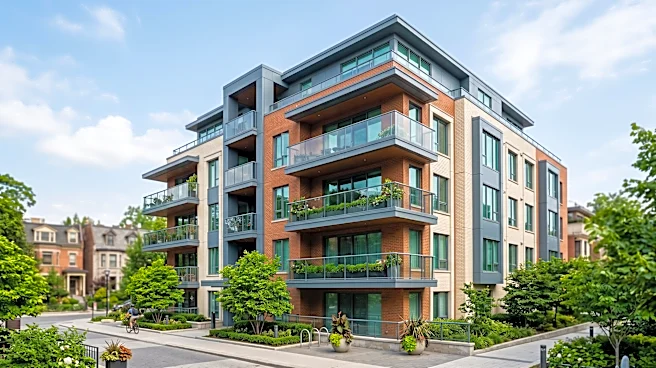
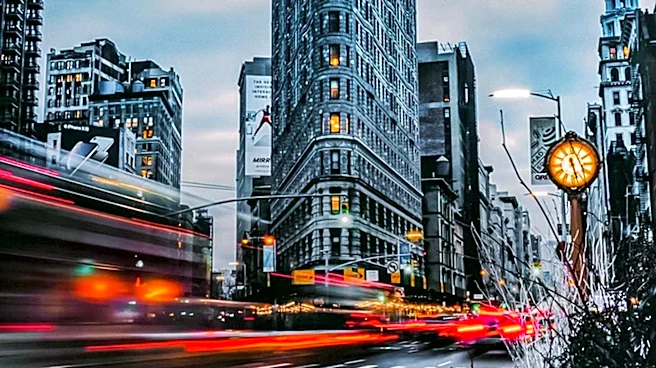
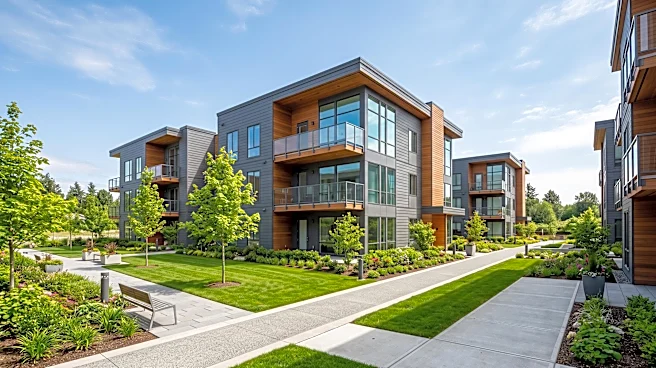
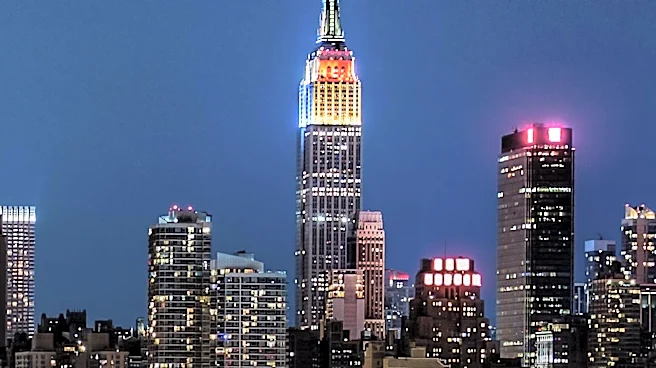
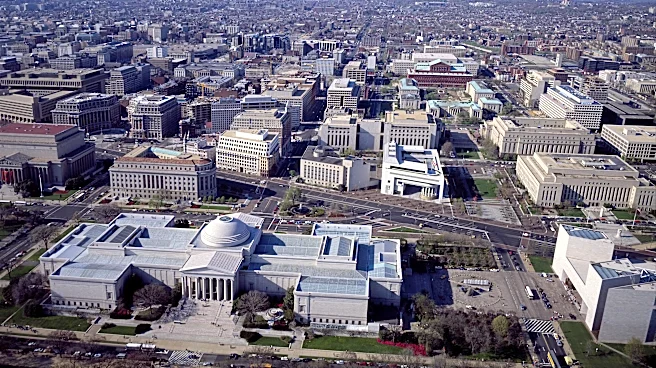
Washington D.C. has undergone significant gentrification, driven by a collaboration between local real estate developers and the city government. This transformation involved bulldozing historic neighborhoods and displacing long-time residents. The process
was often justified by the 'creative class' theory, which posits that attracting a demographic of artists, writers, scholars, engineers, and high-ranking professionals leads to urban prosperity. D.C., with its high percentage of advanced degrees and per capita income, became a prime example of a city embracing this theory. The influx of lobbyists, tech firms, and defense contractors contributed to the city's wealth, which was then attributed to its 'human capital' and 'creativity.' This led to the development of areas like NoMa, the Wharf, and the U Street Corridor, resulting in increased real estate prices, rents, and tax revenue, while simultaneously pushing out existing, less affluent communities.
Why It's Important?
The gentrification of Washington D.C. highlights a broader national trend where urban development strategies prioritize attracting a specific demographic, often at the expense of existing communities. The 'creative class' theory, while seemingly promoting urban revitalization, has been criticized for masking the displacement of lower-income residents and contributing to economic inequality. This approach can lead to a loss of cultural diversity and historical character in neighborhoods, as long-standing communities are uprooted. The focus on amenities appealing to the 'creative class'—such as coffee shops, galleries, and performance spaces—can inadvertently create an environment where only affluent individuals can afford to live, exacerbating social divides. The D.C. case demonstrates how such theories can be adopted by city leaders to rationalize policies that favor economic growth through demographic shifts, impacting housing affordability and community stability.
What's Next?
The ongoing debate surrounding gentrification in cities like Washington D.C. suggests a continued focus on urban planning policies that balance economic development with social equity. Future discussions may involve strategies to mitigate displacement, such as affordable housing initiatives, rent control measures, and community land trusts. There could be increased scrutiny of urban theories that prioritize attracting specific demographics without considering the broader social impact. Cities might explore alternative development models that emphasize inclusive growth and community preservation. Additionally, the long-term effects of such rapid demographic shifts on urban social fabric and political representation will likely remain a subject of ongoing analysis and policy adjustments.
Beyond the Headlines
The case of Washington D.C. reveals deeper implications regarding the commodification of urban space and the role of intellectual theories in shaping public policy. The 'creative class' theory, initially presented as a path to urban flourishing, has been re-evaluated as a mechanism that can disguise gentrification. This raises ethical questions about who benefits from urban development and whether cities have a responsibility to protect their diverse populations. The narrative also touches upon the power dynamics between real estate interests, city governments, and long-term residents. The long-term cultural impact of transforming historically Black neighborhoods into 'creative-class playgrounds' also warrants consideration, as it can lead to a loss of heritage and community identity. This situation underscores the complex interplay between economic forces, social theories, and urban governance in shaping the character of American cities.