





What's Happening?
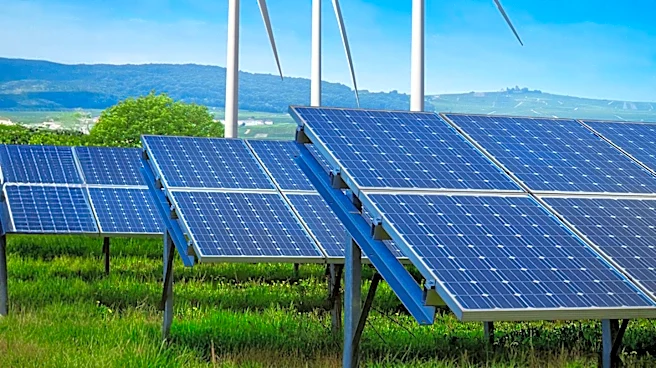
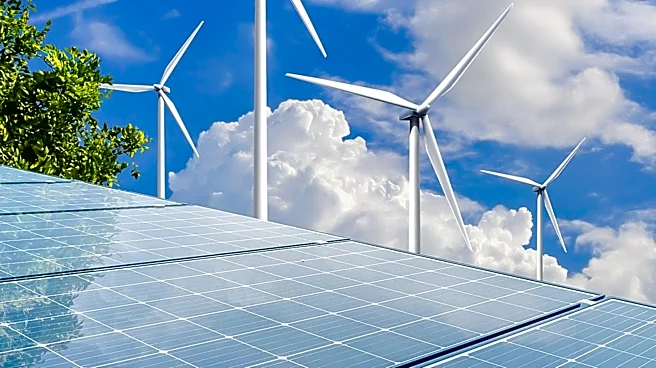
BloombergNEF (BNEF) reports that surging electricity demand from data centers is significantly reshaping the U.S. power market, acting as a key driver for record clean energy additions. BNEF projects the U.S. will add over 1 terawatt of solar, wind, and energy storage
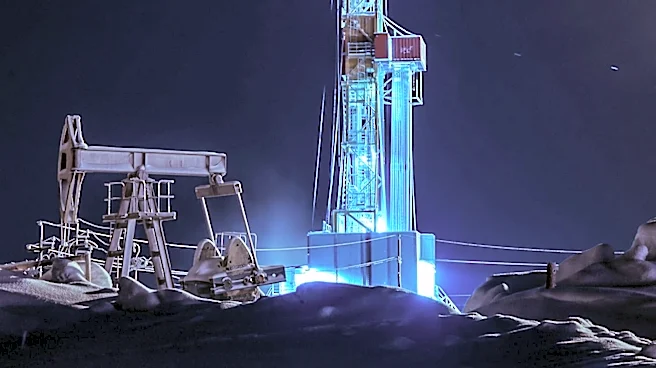
capacity between 2026 and 2036, more than doubling the cumulative capacity from the end of 2025. This growth is primarily fueled by data center electricity demand, with total installed data center capacity in the U.S. expected to reach 194 gigawatts by 2035, up from 47 gigawatts in 2025. While federal tax credits underpin a large pipeline of wind and solar projects, equipment bans, sourcing rules for tax credits, and other policy barriers are increasing project costs and complexity. Despite the push for clean energy, on-site natural gas power remains a lower-cost and dispatchable option for data centers, indicating that not all new electricity demand will be met by renewables.
Why It's Important?
This development highlights a critical juncture in the U.S. energy transition, where the rapid expansion of the digital economy, particularly AI and data centers, is creating unprecedented electricity demand. While this demand is a significant catalyst for clean energy deployment, it also exposes vulnerabilities and challenges within the existing energy policy and infrastructure. The reliance on tax credits for clean energy projects, coupled with protectionist measures like tariffs and sourcing restrictions, complicates the path to a fully decarbonized grid. The continued viability of on-site natural gas power for data centers suggests a potential slowdown in the transition away from fossil fuels, especially if clean energy solutions cannot compete on cost and dispatchability. This dynamic impacts energy investors, policymakers, and technology companies, who must navigate a complex landscape of economic incentives, regulatory hurdles, and environmental goals.
What's Next?
The U.S. is expected to see record clean energy capacity additions in 2026 and 2027, driven by projects that secured federal tax credit eligibility. However, the long-term outlook beyond 2030 will depend heavily on how regulatory uncertainties, particularly around prohibited foreign entity (PFE) rules, are resolved. The industry faces financing risks as banks are hesitant to fund projects exposed to unfinalized PFE guidance. Policymakers will need to balance the goals of clean energy deployment with economic competitiveness and national security concerns related to supply chains. Further, the increasing demand from data centers will likely intensify the debate over the optimal energy mix, potentially leading to more innovative hybrid solutions that combine renewables with reliable backup power, or increased investment in grid modernization and energy storage to enhance dispatchability and reduce reliance on fossil fuels.
Beyond the Headlines
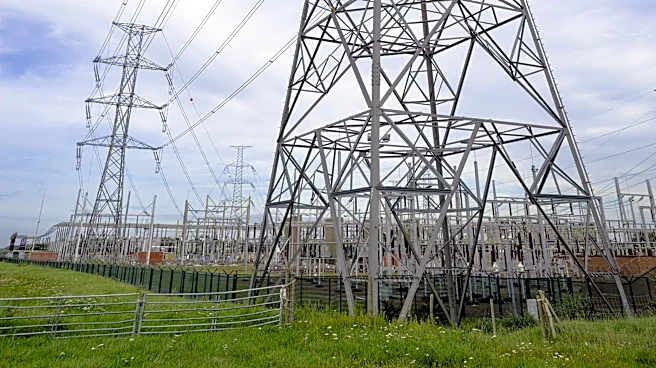
The interplay between data center growth and clean energy development reveals deeper implications for the U.S. economy and environment. The immense power requirements of AI could either accelerate the clean energy transition by creating massive demand for renewables, or it could entrench fossil fuel use if grid-scale clean solutions are not rapidly scalable and cost-effective. This situation also underscores the need for robust and resilient energy infrastructure capable of supporting both industrial growth and environmental sustainability. The policy challenges, such as PFE rules and tariffs, highlight the complexities of global supply chains and geopolitical considerations in achieving domestic energy goals. Ultimately, the choices made in powering data centers will have lasting effects on the U.S.'s carbon footprint, energy independence, and its position in the global technology race, necessitating a coordinated strategy across government, industry, and research sectors.