







What's Happening?
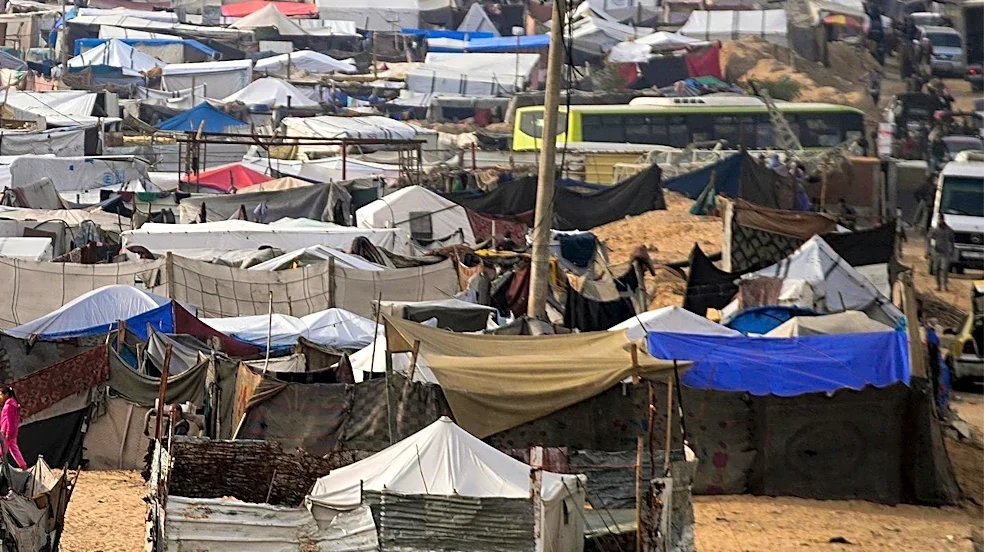
The African Commission on Human and Peoples’ Rights in Senegal is currently focusing on the educational rights of refugees, with a Somali refugee, Farah Mohammed Hussain, serving as a key panelist. Hussain, who is a head teacher at a school in Kenya’s
Dadaab refugee camp, shared his personal story of fleeing the civil war in Somalia in 1992 and the importance of education in his life. The Lutheran World Federation (LWF) is actively participating in the 89th session of the Commission, advocating for member states of the African Union to uphold the rights of refugees and displaced persons to education. The LWF emphasizes the need for these rights to be respected and enshrined in national legislation, urging governments, regional institutions, civil society organizations, and development partners to collaborate on integrating Social and Emotional Learning (SEL) into national educational policies.
Why It's Important?
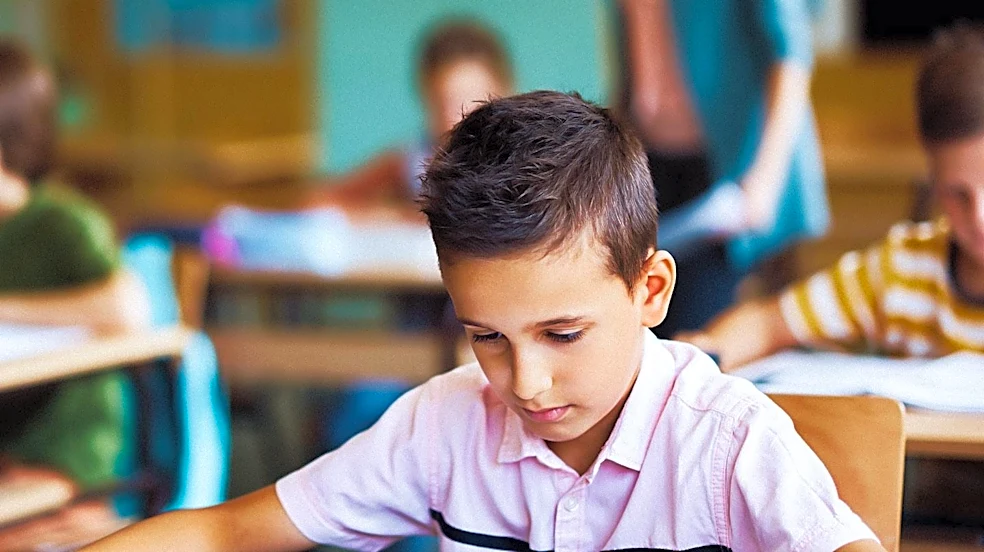
The spotlight on refugee education rights at the African Commission is crucial for addressing a fundamental human right often overlooked in humanitarian crises. The testimony of individuals like Farah Mohammed Hussain provides a powerful, firsthand account of the transformative impact of education on refugees' lives and highlights the systemic challenges they face. Ensuring access to quality education, including Social and Emotional Learning, is vital for the long-term well-being and integration of displaced populations. It not only provides individuals with skills and opportunities but also contributes to stability and development in host communities. The LWF's advocacy underscores the need for a comprehensive approach that involves various stakeholders to create inclusive and supportive learning environments for all students, especially those affected by displacement and marginalization. Failure to address these educational needs can perpetuate cycles of poverty and instability, impacting regional and global security.
What's Next?
The African Commission's discussions are expected to lead to recommendations and calls for action directed at African Union member states. The LWF and other partner organizations will continue to press for the integration of refugee education rights into national policies and for increased collaboration among all stakeholders. The focus will be on developing and implementing strategies to ensure that educational opportunities, including Social and Emotional Learning, are accessible to refugees and displaced persons. This may involve policy reforms, increased funding for refugee education programs, and capacity building for educators in refugee settings. The long-term goal is to create sustainable educational frameworks that support the development and empowerment of refugee communities, enabling them to contribute positively to their host countries and, eventually, to their home countries if they return.
Beyond the Headlines
The issue of refugee education extends beyond immediate humanitarian concerns, touching upon broader themes of social justice, human dignity, and the potential for human capital development. Denying refugees access to education not only violates their fundamental rights but also represents a significant loss of potential for both the individuals and the societies they inhabit. The emphasis on Social and Emotional Learning (SEL) highlights a growing recognition that education must address not only academic skills but also the psychological and emotional well-being of individuals who have experienced trauma and displacement. This holistic approach is essential for fostering resilience, promoting social cohesion, and preparing refugees for successful integration or repatriation. The ongoing advocacy at the African Commission serves as a critical reminder of the interconnectedness of human rights, development, and peace, urging a more comprehensive and compassionate global response to the refugee crisis.