




What's Happening?
The Wisconsin Agricultural Tourism Association (WATA) is actively promoting its fall agricultural tourism season, which runs through November 1, encouraging the public to explore Wisconsin farms. Governor Tony Evers has issued a proclamation recognizing
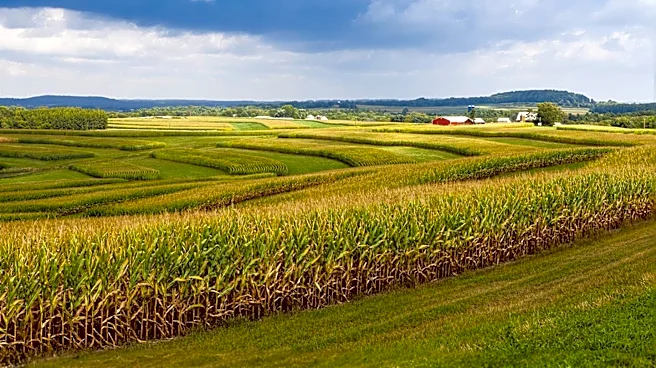
the significant role agritourism plays in directly connecting visitors with farms and rural communities. WATA has created a searchable online directory to help visitors find various agritourism destinations across the state, allowing searches by location or activity. Popular fall activities include corn mazes, orchard visits for apple picking, and winery adventures. To enhance the experience, WATA has also introduced two digital passports: "Fall on the Farm – Fall Bingo" and the "Hill & Valley Exploration Tour Free Savings Pass." Sheila Everhart, executive director of WATA, highlighted that with only about 1.2% of the population working directly in agriculture, agritourism offers a crucial opportunity for most Americans, who are several generations removed from farm life, to experience agriculture firsthand.
Why It's Important?
This initiative by WATA is vital for bridging the growing disconnect between the general public and agricultural practices in the U.S. As fewer people have direct ties to farming, agritourism provides an accessible and engaging way to educate consumers about where their food comes from and the effort involved in its production. This educational aspect is crucial for fostering a greater appreciation for agriculture and potentially influencing consumer choices towards supporting local farms. Economically, agritourism offers a significant diversification strategy for Wisconsin farmers, providing additional revenue streams beyond traditional crop and livestock sales. This can contribute to the financial stability of rural communities and help preserve family farms. The digital passports and online directory also demonstrate innovative marketing strategies to attract visitors, making it easier for people to plan and enjoy farm-based experiences, thereby boosting local tourism and economic activity in rural areas.
What's Next?
The ongoing fall agritourism season in Wisconsin, supported by WATA's initiatives, is expected to continue attracting visitors to farms across the state until November 1. The success of programs like the digital passports and the online directory will likely inform future marketing and engagement strategies for WATA and other agricultural tourism organizations. The corn maze challenge, where visitors can win prizes by posting photos with the hashtag #WATAMAZE, aims to increase social media engagement and further promote farm visits. This continued promotion and the positive reception from the public could lead to an expansion of agritourism offerings in Wisconsin, with more farms potentially opening their doors to visitors. Furthermore, the recognition from Governor Tony Evers underscores the growing importance of agritourism at the state level, which could translate into increased governmental support or resources for the sector in the future, benefiting both farmers and rural economies.
Beyond the Headlines
The push for agritourism in Wisconsin, and across the nation, reflects a deeper societal yearning for authentic experiences and a connection to the land. In an era dominated by digital interactions, farm visits offer a tangible, sensory experience that can be profoundly impactful, especially for families and children. This movement is not just about entertainment; it's about cultural preservation, ensuring that the knowledge and traditions of farming are passed down and appreciated by future generations. It also subtly addresses issues of food literacy and sustainability, as visitors gain a firsthand understanding of agricultural processes. The challenges of operating agritourism, such as managing visitor expectations and ensuring farm safety, also highlight the adaptability and entrepreneurial spirit of modern farmers. Ultimately, agritourism fosters a symbiotic relationship between urban and rural communities, promoting mutual understanding and support, and contributing to a more holistic and resilient society.