






What's Happening?
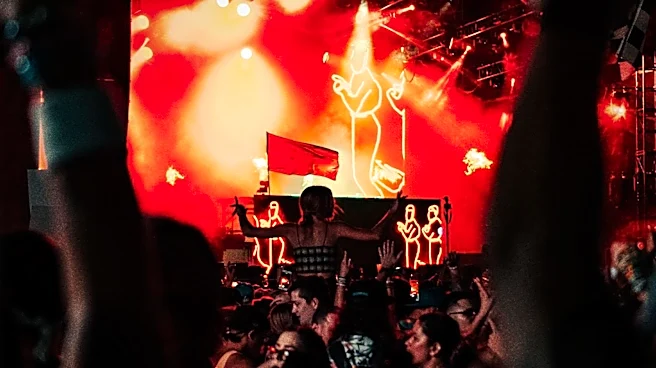
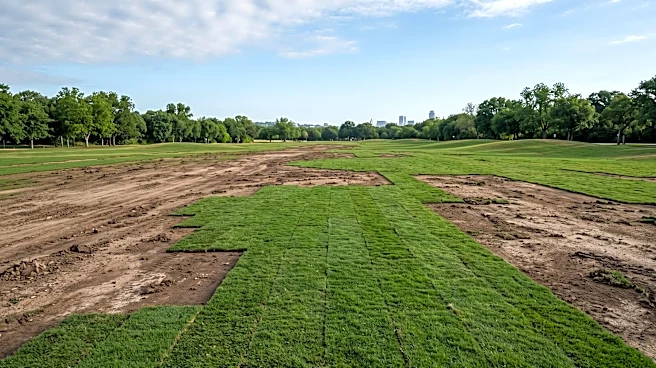
Zilker Park's Great Lawn in Austin, Texas, is undergoing extensive repairs and partial closures following the Austin City Limits (ACL) Music Festival. The festival, which spanned two weekends, left significant damage, including vast brown splotches on
the lawn, necessitating the laying of fresh sod. City officials have indicated that scheduled maintenance on the Great Lawn is expected to conclude by the end of the month, with sections reopening gradually. However, the western part of the lawn is set to reopen on Saturday, while the remainder, along with Lou Neff Road, will remain closed through the holiday season. This situation has reignited a long-standing debate regarding the impact of private events on the beloved public park. Environmental advocates and community leaders are questioning whether the financial benefits from such events outweigh the costs of lost public recreation days and environmental damage. The Austin Parks and Recreation Board recently approved the creation of a working group to assess the overall health and welfare of Zilker Park, focusing not only on ACL-related damage but also other issues affecting the park.
Why It's Important?
The ongoing damage and subsequent closures at Zilker Park highlight a critical tension between economic development and public park preservation in Austin. While the ACL Music Festival, produced by C3 Presents, has contributed an estimated $4.7 billion to the local economy and generated over 42,000 jobs since 2006, the environmental and recreational costs are becoming increasingly apparent. The park's closure for extended periods, sometimes totaling over 100 consecutive days due to various events and subsequent repairs, limits public access to a vital community resource. This disproportionately affects diverse segments of Austin's population who rely on the park for recreation. Furthermore, ecological experts warn that annual re-sodding prevents the grass from developing deep roots, leading to continuous soil degradation and erosion, particularly along the Colorado River and Barton Springs. The lack of transparency surrounding the Austin Parks Foundation's operations and spending decisions, a private nonprofit that receives a portion of ACL ticket sales, further complicates public oversight and trust. This situation underscores the broader challenge faced by many U.S. cities in balancing the economic benefits of large-scale events with the long-term sustainability and accessibility of public spaces.
What's Next?
The newly approved working group by the Austin Parks and Recreation Board will begin assessing the health and welfare of Zilker Park. This group aims to identify problems with public consensus and recommend actions to the city council. Stakeholders, including environmental advocates and community leaders, are pushing for greater transparency from the public-private parks partnership, particularly concerning the financial contributions from C3 Presents to the Austin Parks Foundation and how those funds are dispersed. The current agreement between the City of Austin and C3 Presents allows the festival to be staged at Zilker Park through 2040, with C3 paying the city $103,500 annually, in addition to restoration costs. The total contribution to the Austin Parks Foundation from the 2026 festival is expected to be announced in the spring. The ongoing repairs and partial closures of the Great Lawn will continue through the holiday season, impacting other scheduled events like the Trail of Lights. The debate over the appropriate balance between private event usage and public access, as well as the environmental impact on Zilker Park, is expected to intensify as the working group proceeds with its assessment and recommendations.
Beyond the Headlines
The situation at Zilker Park extends beyond immediate repairs and financial contributions, touching upon fundamental questions of urban planning, environmental stewardship, and equitable access to public spaces. The designation of Zilker Park as an 'ATM' by some critics highlights a perception that public assets are being exploited for private gain, potentially at the expense of ecological health and community well-being. The recurring damage and the need for continuous restoration raise concerns about the long-term ecological viability of the park, especially given the expert opinion that annual re-sodding prevents proper root development and exacerbates soil degradation. This scenario could set a precedent for how other U.S. cities manage their public parks in the face of increasing demand for large-scale events. The lack of transparency from the Austin Parks Foundation, a private entity, regarding its financial dealings with C3 Presents, also brings to light broader issues of accountability in public-private partnerships. This case could influence future policy discussions on how to ensure that such partnerships serve the public interest, protect natural resources, and maintain equitable access for all citizens, rather than prioritizing commercial interests.