







What's Happening?
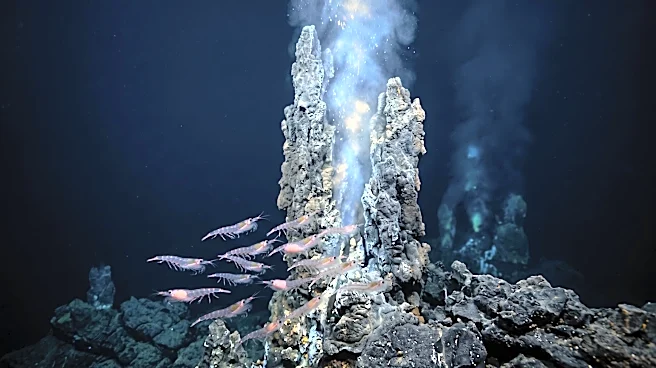
Oceanographers have made a significant discovery, observing pregnant Antarctic krill near deep-sea hydrothermal vents for the first time. This finding, published in Communications Biology, challenges previous assumptions that these shrimp-like creatures
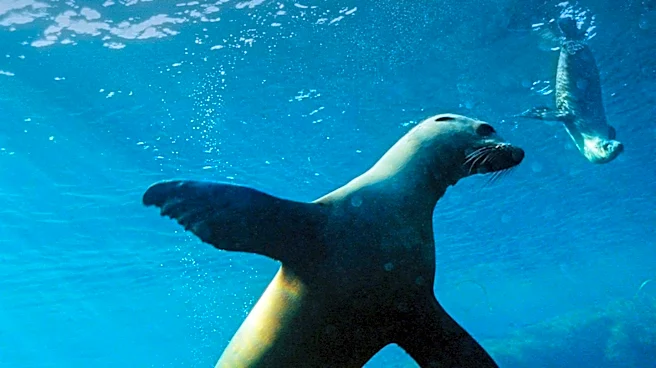
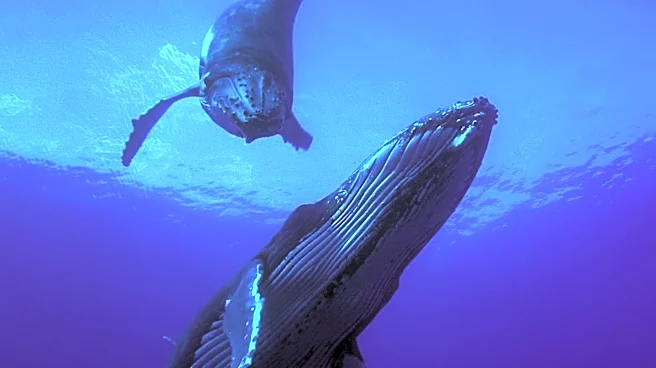
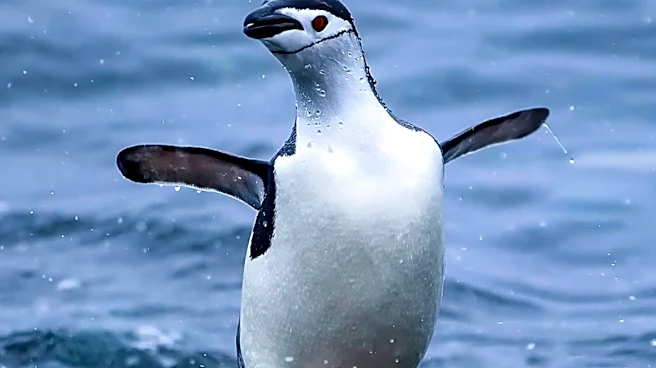
primarily inhabit the upper layers of the Southern Ocean. The research team, which made the initial observation in 2024, captured several krill from vent fields and compared them with krill from non-vent seafloor sites. Analysis of gut microbes, stable chemical signatures, and trace metals in their tissues indicated that the vent-site krill, all mature, egg-carrying females, had recently mated and consumed chemosynthetic microbes associated with vent ecosystems. Video footage at both Hook Ridge and Quest Caldera sites showed numerous gravid female krill near vent structures, suggesting these areas might offer physiological, nutritional, or reproductive advantages that outweigh the energetic costs of deep vertical migrations during spawning season. Antarctic krill are a foundational species in the Southern Ocean food web, serving as a primary food source for whales, seals, penguins, and seabirds, and playing a crucial role in nutrient recycling and carbon sequestration.
Why It's Important?
This discovery is important because it expands the understanding of Antarctic krill habitat and life cycle, particularly for reproductive females. The identification of deep-sea hydrothermal vents as potential critical habitats for pregnant krill could significantly influence conservation strategies for this species. Antarctic krill populations are already under increasing pressure from climate change and overfishing, which supports a multibillion-dollar aquaculture and pharmaceutical industry. Protecting these newly identified critical habitats could be vital for ensuring the long-term health of krill populations and, by extension, the entire Southern Ocean ecosystem. The findings also strengthen the case for protecting hydrothermal vents from future disturbances, such as deep-sea mining, given their potential role in supporting key marine species. Understanding these new habitats is crucial for international efforts to conserve Antarctic krill and the broader marine biodiversity they support.
What's Next?
Further research is needed to fully understand the extent to which pregnant krill utilize deep-sea hydrothermal vents and whether they release their eggs at depth or ascend to spawn closer to the surface. Scientists will likely focus on investigating the specific physiological, nutritional, and reproductive benefits these vents provide to krill, which could include warmer temperatures for faster embryo development and access to vital metals and chemosynthetic food sources. The findings are expected to inform international conservation efforts, particularly those by bodies like the Commission for the Conservation of Antarctic Marine Living Resources (CCAMLR), which is working to establish marine protected areas in the Southern Ocean. This new knowledge about krill's critical habitat could lead to the designation of hydrothermal vent areas as protected zones, influencing future fishing policies and deep-sea resource management to safeguard krill populations and the wider marine ecosystem.
Beyond the Headlines
The discovery of pregnant krill utilizing deep-sea hydrothermal vents highlights the complex and often hidden interdependencies within marine ecosystems. It underscores the limitations of current ecological knowledge and the continuous need for deep-sea exploration and research. This finding could shift the paradigm of how marine protected areas are conceived and implemented, moving beyond surface-level considerations to include critical deep-sea environments. Ethically, it reinforces the argument for precautionary principles in deep-sea mining and other industrial activities that could impact these fragile and newly understood habitats. Culturally, it adds another layer to the narrative of the Antarctic as a unique and vulnerable ecosystem, emphasizing the interconnectedness of its diverse life forms and the global impact of their health. The long-term implications could include a re-evaluation of sustainable fishing quotas for krill and a greater emphasis on holistic ecosystem management that considers both surface and deep-sea environments.