




What's Happening?
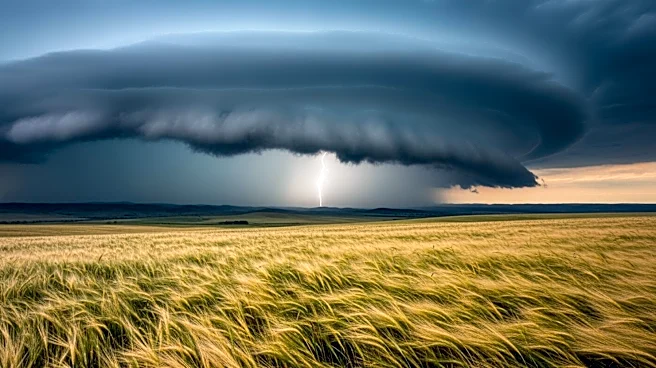
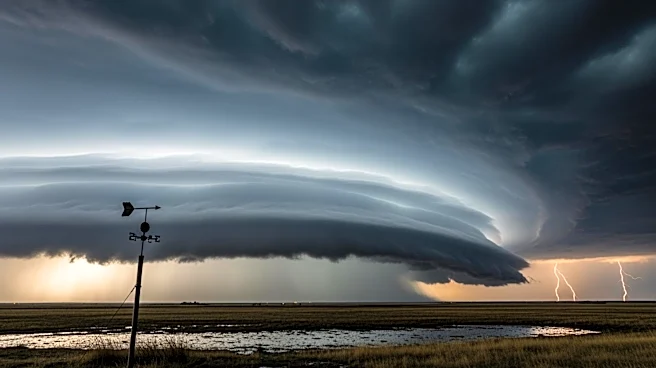
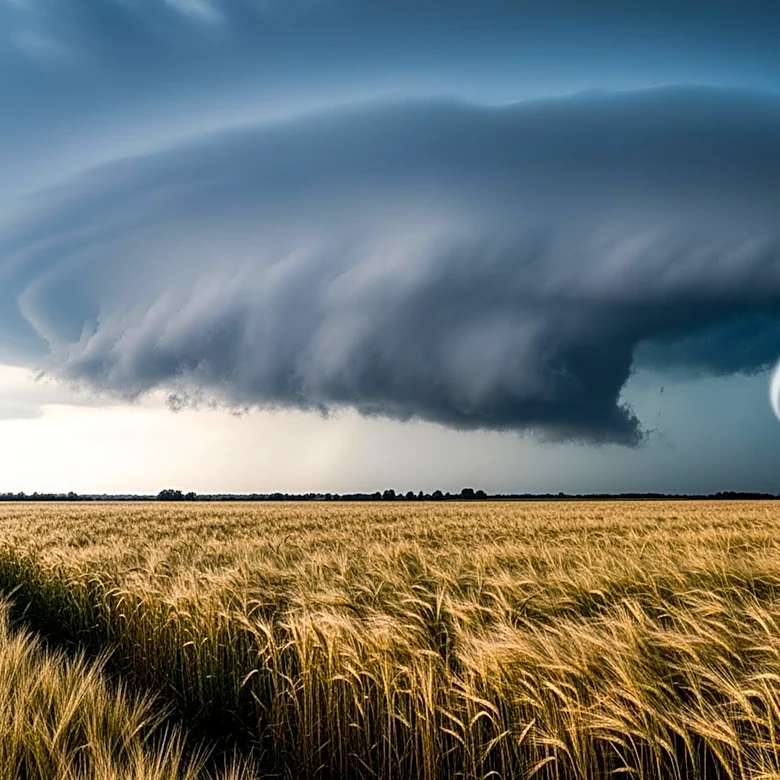
Severe weather is forecasted to impact much of the central United States through the early part of next week, with threats including flash floods, tornadoes, hail, strong winds, wildfires, and snow. The National Weather Service has issued warnings for a 'very
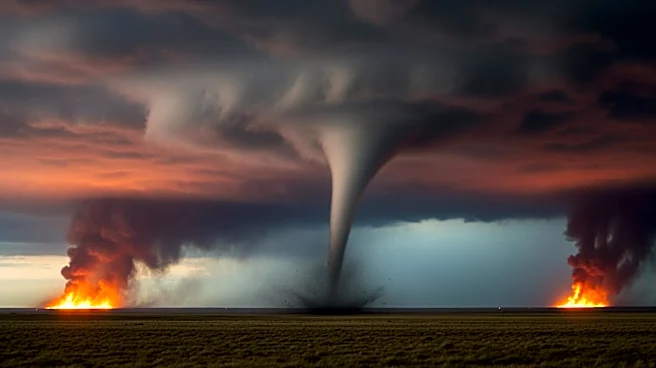
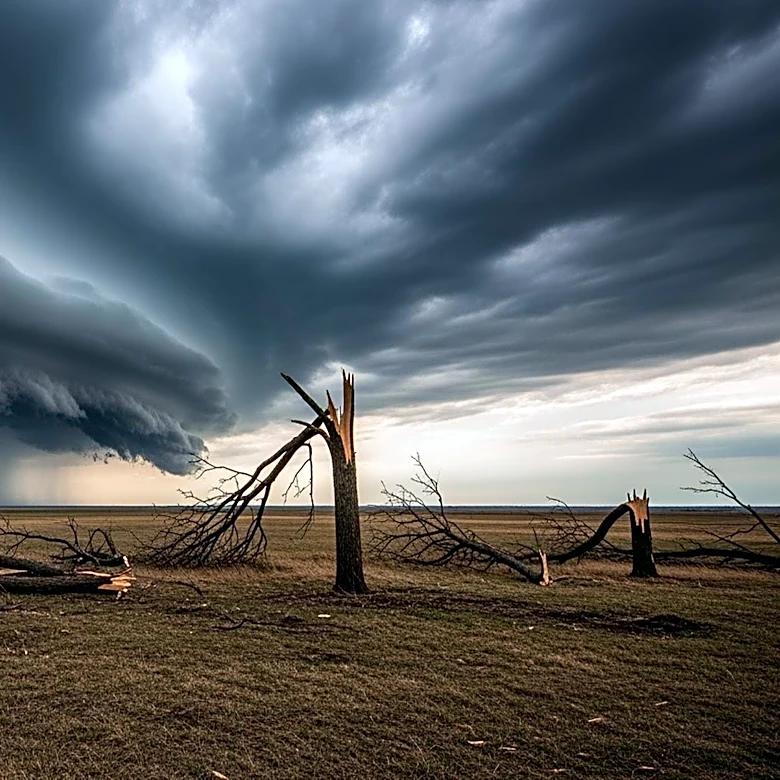
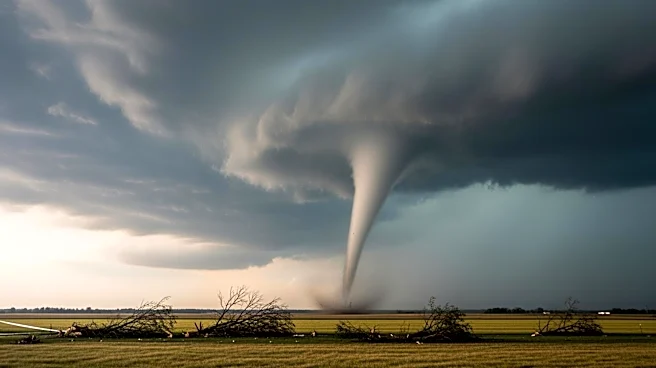
active Spring weather pattern' affecting areas such as Kansas and Oklahoma, where large hail and tornadoes are expected. Flash flood advisories are in place for parts of the Midwest, including eastern Kansas and western Missouri. Additionally, a winter weather advisory is in effect for mountain regions in Montana, Wyoming, and Colorado, predicting significant snowfall. Oklahoma is still recovering from recent tornadoes that caused injuries and property damage.
Why It's Important?
The severe weather poses significant risks to life and property across the central U.S., potentially affecting millions of residents. The threat of tornadoes, particularly those reaching EF3 intensity or higher, underscores the need for preparedness and timely alerts. The combination of severe storms and wildfires could strain emergency services and disrupt daily life. The economic impact could be substantial, with potential damage to infrastructure, homes, and businesses. The situation highlights the importance of robust weather forecasting and emergency response systems to mitigate the effects of such natural disasters.
What's Next?
As the storm system moves eastward, areas in the Middle-Mississippi Valley, including Iowa, Missouri, and Illinois, will face increased risks of severe weather. Residents are advised to stay informed and prepared for potential evacuations or sheltering. The ongoing recovery efforts in Oklahoma may require additional resources and support. Authorities will continue to monitor weather patterns and issue updates to ensure public safety. The extreme fire risk in parts of New Mexico and Texas will also require vigilance and preventive measures to avoid further disasters.