





What's Happening?
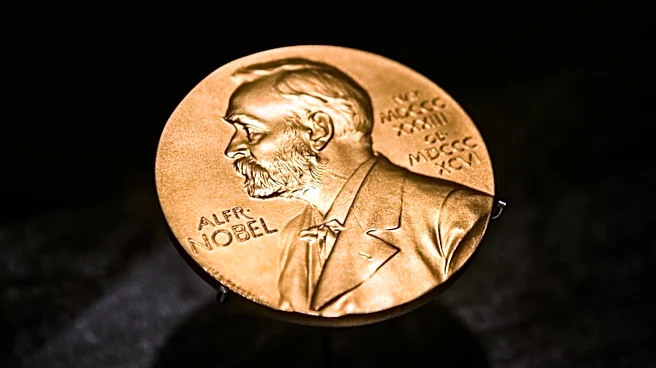
Prof. Olubukola Babalola of North-West University has been honored with the 2026 ASSAf Science-for-Society Gold Medal. This prestigious award recognizes her significant contributions to scientific research and its practical applications in addressing
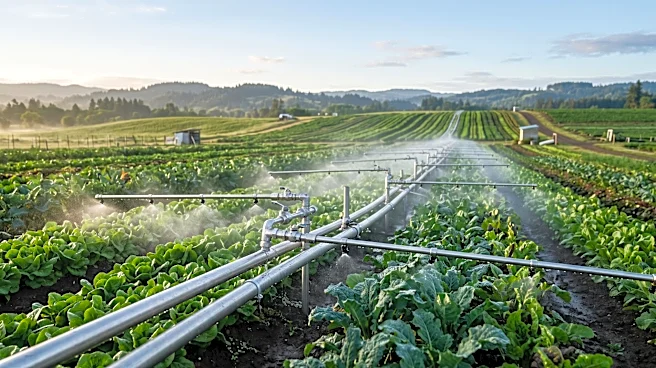
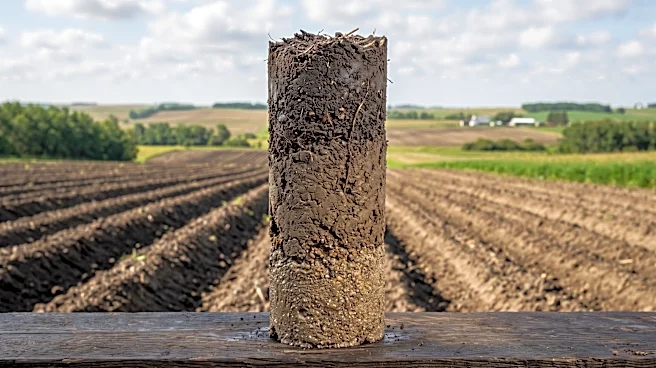
societal challenges. Based at the university's Mahikeng Campus, Prof. Babalola's research focuses on agricultural microbiology and soil health. Her work investigates how beneficial microorganisms can be utilized to enhance crop production, restore soil vitality, and decrease the agricultural sector's reliance on harmful chemical inputs. This research directly contributes to global food security and promotes sustainable farming practices. Beyond her direct research, Prof. Babalola is also actively involved in developing the next generation of scientists through postgraduate supervision, mentorship, and fostering international collaborations. The award highlights her dedication to research that not only advances knowledge but also creates a tangible positive impact on society.
Why It's Important?
Prof. Babalola's recognition underscores the critical importance of agricultural microbiology and soil health research in the face of global challenges like food insecurity and environmental degradation. Her work offers sustainable alternatives to conventional farming methods that often rely heavily on synthetic fertilizers and pesticides, which can harm ecosystems and human health. By promoting the use of beneficial microorganisms, her research contributes to more resilient agricultural systems, reduced environmental footprints, and improved long-term food production capabilities. This approach is vital for the U.S. and other nations seeking to balance agricultural productivity with ecological sustainability. Furthermore, her commitment to mentoring future scientists ensures that this crucial field of study will continue to evolve and address emerging challenges, fostering innovation in sustainable agriculture.
What's Next?
The recognition of Prof. Babalola's work is likely to bring increased attention and potential funding opportunities to the field of agricultural microbiology and soil health. This could lead to expanded research initiatives, greater collaboration between academic institutions and agricultural industries, and accelerated development of microbial-based solutions for farming. Her continued mentorship and international collaborations are expected to further strengthen global networks dedicated to sustainable agriculture, potentially leading to wider adoption of these innovative practices. Policy discussions around agricultural subsidies and environmental regulations may also be influenced by the growing evidence supporting sustainable farming methods, encouraging a shift towards more ecologically friendly approaches in the U.S. and beyond.
Beyond the Headlines
The award to Prof. Babalola signifies a broader shift in scientific and societal priorities towards sustainable and environmentally conscious solutions. It highlights the ethical imperative to develop agricultural practices that not only feed the present population but also preserve natural resources for future generations. The emphasis on soil health, often overlooked, is crucial as healthy soil is fundamental to biodiversity, water retention, and carbon sequestration, playing a vital role in climate change mitigation. This recognition also champions the role of interdisciplinary research, combining microbiology with agricultural science, to tackle complex global issues. It reinforces the idea that scientific innovation, when applied thoughtfully, can lead to profound positive societal and environmental transformations.