

What's Happening?
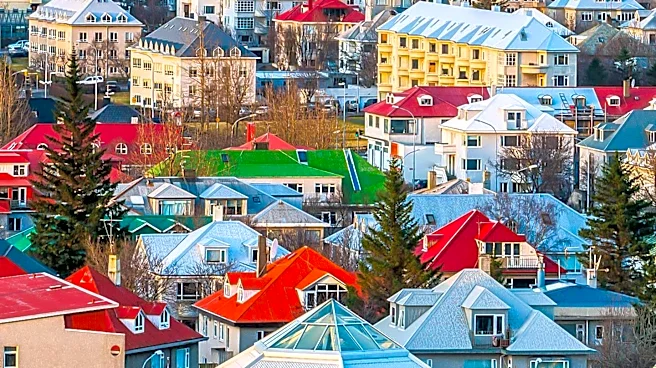
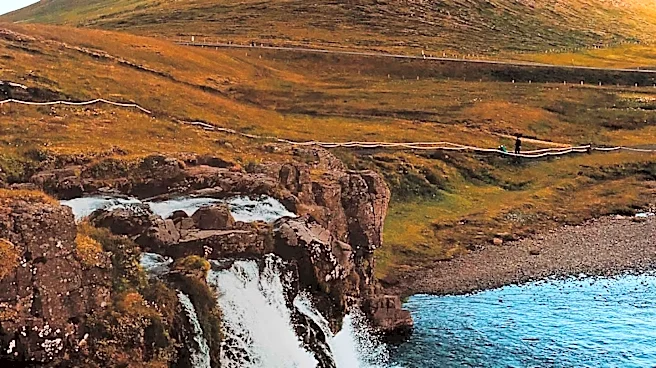
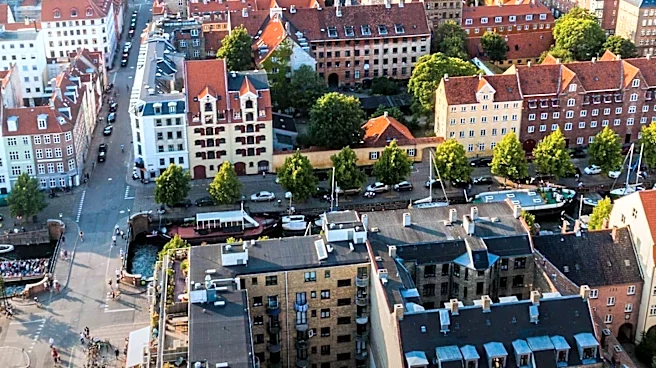
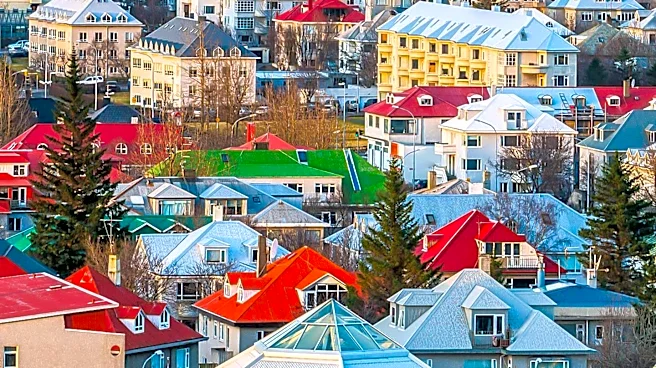
Reykjavik, the capital of Iceland, is situated in Southwest Iceland on the shores of Faxafloi Bay. With a population exceeding 143,000, it is known for its unique blend of urban life and natural beauty. The city's landscape has been shaped over millennia
by glaciers, earthquakes, and volcanic eruptions, contributing to its geothermal activity, which is evident in popular spots like the Sky Lagoon. Reykjavik is encircled by mountains, with Mount Esjan being a prominent feature, popular among hikers. The city's coastline is characterized by scenic peninsulas, coves, and islands, including Videy Island, and is frequented by seabirds and whales. The Ellidaa River, flowing through Ellidaardalur Valley, is a significant natural feature and a notable salmon fishing location. Reykjavik offers a vibrant food scene, diverse cultural experiences, and numerous opportunities to explore Iceland's natural wonders, making it a recurring destination for visitors.
Why It's Important?
Reykjavik's significance extends beyond its role as Iceland's capital, serving as a crucial gateway for international tourism and a center for cultural exchange. Its geothermal resources, such as the Sky Lagoon, highlight sustainable energy practices and offer unique wellness tourism opportunities, attracting visitors interested in eco-friendly travel. The city's natural surroundings, including mountains like Mount Esjan and the Ellidaa River, provide diverse recreational activities, from hiking to salmon fishing, contributing to the local economy through tourism and outdoor sports. The blend of a lively food scene and a rich arts culture positions Reykjavik as a dynamic urban center that preserves its unique Icelandic heritage while embracing modern influences. This balance makes it an important case study for cities seeking to integrate natural preservation with urban development and cultural vibrancy.
What's Next?
Reykjavik is expected to continue leveraging its natural attractions and cultural offerings to draw tourists, with ongoing development in its food and arts scenes. The city's commitment to showcasing Iceland's natural wonders, such as the Northern Lights and geothermal spas, suggests a sustained focus on experiential tourism. Efforts to maintain and promote its unique geographical features, like the surrounding mountains and coastline, will likely remain a priority for both conservation and tourism. The city's accessibility, with convenient flights from major global cities, indicates a continued role as a primary entry point for visitors to Iceland. Future initiatives may focus on enhancing sustainable tourism practices and expanding cultural events to further solidify Reykjavik's reputation as a distinctive and appealing destination.
Beyond the Headlines
Beyond its immediate appeal as a tourist destination, Reykjavik embodies a deeper narrative of resilience and adaptation in a challenging natural environment. The city's development, shaped by millennia of geological activity, reflects a profound connection between its inhabitants and the land. The emphasis on geothermal resources not only provides economic benefits but also underscores a cultural value placed on harnessing natural energy, offering lessons in sustainable living. The vibrant arts and food scenes, despite the city's relatively small size, demonstrate a strong sense of community and cultural identity. This blend of natural integration, sustainable practices, and rich cultural expression positions Reykjavik as a model for urban development that respects and thrives within its ecological context, offering insights into how communities can flourish in harmony with their environment.