







What's Happening?
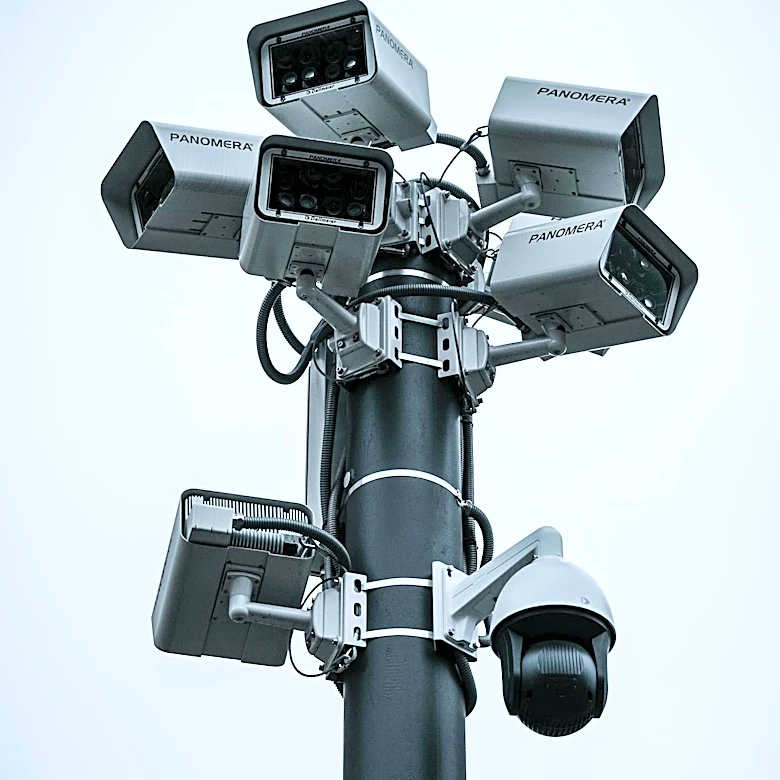
Localities across Virginia are re-evaluating their use of license plate readers (LPRs) due to growing privacy concerns and public scrutiny. This reconsideration comes as local governments and law enforcement agencies face allegations of misuse and disagreements
over how the data collected by these devices is utilized. The technology, which automatically scans and records license plate information, has been deployed in various communities for purposes such as crime solving and traffic enforcement. However, the extensive collection and storage of this data have raised questions about individual privacy rights and the potential for surveillance. Residents and advocacy groups have expressed unease regarding the scope of data collection and the lack of clear policies governing data retention and access, prompting a closer look at the efficacy and ethical implications of LPR deployment.
Why It's Important?
The debate over license plate readers in Virginia highlights a critical tension between public safety and individual privacy rights. While law enforcement agencies argue that LPRs are valuable tools for deterring crime and apprehending suspects, civil liberties advocates contend that their widespread use constitutes mass surveillance, potentially infringing on constitutional protections. The re-evaluation by Virginia localities could lead to stricter regulations on LPR usage, including limitations on data retention periods, access protocols, and transparency requirements. This discussion is significant as it reflects a broader national conversation about the balance between technological advancements in policing and the protection of civil liberties. The decisions made in Virginia could influence policies in other states grappling with similar issues, setting precedents for how such technologies are governed in a democratic society.
What's Next?
Virginia localities are expected to engage in further discussions and potentially public hearings to address community concerns regarding license plate readers. This process may involve reviewing existing policies, drafting new regulations, or even reconsidering the continued use of LPR technology. Law enforcement agencies will likely be required to provide more transparency about how the data is collected, stored, and used, and to demonstrate the necessity and effectiveness of these systems. Advocacy groups will continue to push for stronger privacy protections and accountability measures. The outcome could range from minor policy adjustments to significant changes in how LPRs are deployed and managed, potentially leading to a more standardized approach across the state that balances public safety needs with privacy considerations.
Beyond the Headlines
The controversy surrounding license plate readers in Virginia delves into deeper societal questions about the nature of surveillance in modern life and the role of technology in law enforcement. Beyond immediate privacy concerns, there are implications for data security, potential biases in data application, and the erosion of anonymity in public spaces. The debate also touches on the concept of 'mission creep,' where technologies initially deployed for specific purposes are later expanded to broader uses without adequate public oversight. This re-evaluation could prompt a more comprehensive discussion about the ethical frameworks needed to govern emerging surveillance technologies, ensuring that their benefits do not come at the cost of fundamental rights. It underscores the ongoing challenge of adapting legal and ethical standards to keep pace with rapid technological advancements.