


What's Happening?
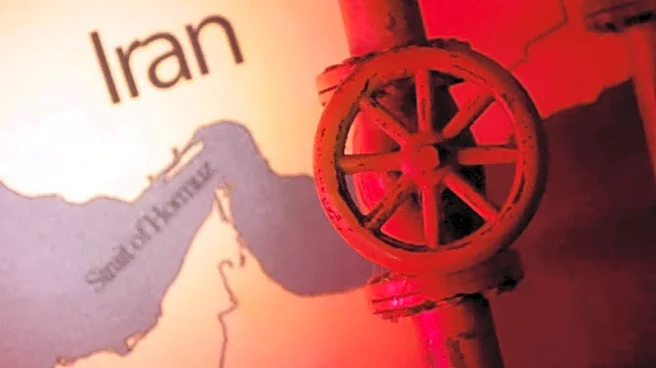
The ongoing conflict in Iran has significantly impacted the global aviation insurance market, with Australian insurers particularly affected. The escalation of hostilities has led to a rapid increase in war-risk premiums, as insurers reassess their exposure
to aircraft operating in or near conflict zones. Premiums for aviation risks have risen by over 10% for lower-risk carriers, with even higher increases for airlines operating Middle East routes. Additionally, aircraft located in countries targeted by military strikes may require additional war-risk premiums to remain insured. The conflict has also caused large-scale aviation disruption, with several Middle Eastern countries closing their airspace, leading to thousands of flight cancellations and diversions. This has increased fuel consumption and operating costs, especially for routes now favoring U.S. airspace. The situation has exposed gaps between operational disruption and insurable loss, with many revenue losses linked to the conflict not covered by standard aviation liability or hull policies.
Why It's Important?
The implications of the Iran conflict for the aviation insurance market are profound, affecting pricing volatility and reinsurance treaties. Australian insurers, with exposure to international airlines and leasing portfolios, face increased pressure to reassess accumulation exposure across routes and hubs. The conflict serves as a significant stress test for the aviation insurance industry, reminiscent of the challenges faced during the Russia-Ukraine war. The increased premiums and operational disruptions could lead to higher costs for airlines, potentially affecting ticket prices and airline profitability. Furthermore, the conflict highlights the need for insurers to develop new policy wordings or extensions to address coverage gaps, particularly for non-damage losses. This situation underscores the interconnectedness of global events and their impact on industries far removed from the immediate conflict zone.
What's Next?
Insurers are likely to continue reviewing their exposure and risk appetite, particularly for aircraft operating in conflict zones. The industry may see increased litigation around policy interpretation and disputes over policy scope and exclusions. There is also potential for new policy developments to address the identified coverage gaps. Airlines may need to adjust their routes and operations to mitigate increased costs and risks, potentially leading to changes in flight schedules and pricing strategies. The ongoing conflict could prompt further regulatory scrutiny and passenger claims, adding to the operational challenges faced by airlines.