




What's Happening?
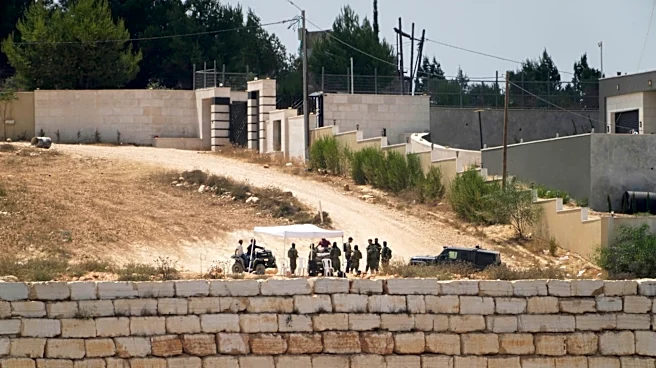
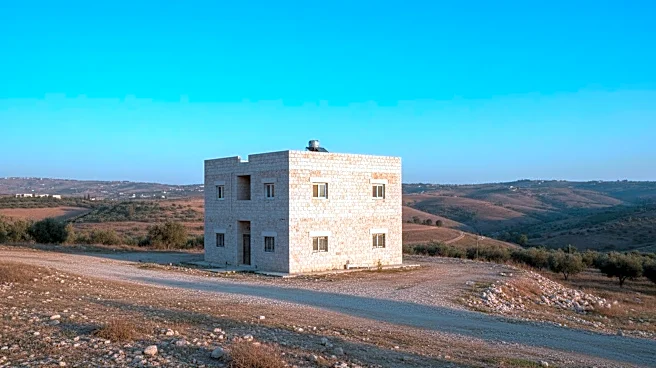
A Palestinian American, Loui Ridi, has returned to his home in the occupied West Bank village of Qusra to defend it against a siege by Israeli settlers. For over a week, groups of settlers have surrounded several Palestinian houses, preventing residents
from leaving. Ridi, an Ohio-based owner of one of the besieged homes, traveled to his property to join family members who have been attempting to protect it. The United States has condemned the siege, and the Israeli military has deployed troops, stating their purpose is to maintain order. However, Ridi's brother's footage showed soldiers interacting amicably with settlers. This incident occurs amidst a significant increase in violence in the West Bank, where settlers, reportedly emboldened by Prime Minister Benjamin Netanyahu’s right-wing government, have intensified attacks on Palestinian towns, harassing residents and setting property ablaze. According to Palestinian health officials, 87 Palestinians have been killed by Israeli soldiers and settlers this year, while Palestinians have killed three Israelis.
Why It's Important?
This incident highlights the escalating tensions and violence in the West Bank, which has significant implications for U.S. foreign policy and its role in the Israeli-Palestinian conflict. The direct involvement of a Palestinian American citizen whose property is under siege brings the conflict closer to home for the U.S. and could intensify calls for stronger diplomatic action. The U.S. condemnation of the siege, coupled with the deployment of Israeli troops who are seen interacting with settlers, underscores the complex and often contradictory dynamics on the ground. This situation could further complicate U.S. efforts to mediate peace or de-escalate violence, as it exposes the challenges of ensuring the safety and rights of Palestinians, including those with U.S. citizenship. The reported emboldening of settlers by the Israeli government also raises questions about the effectiveness of U.S. pressure on Israel regarding settlement expansion and settler violence, potentially impacting bilateral relations and regional stability. The incident also draws attention to the broader human rights concerns in the occupied territories, which are a recurring point of contention in international forums and U.S. foreign policy debates.
What's Next?
The immediate focus will be on the resolution of the standoff in Qusra and the safety of Loui Ridi and his family. The Israeli military's presence and its stated aim to maintain order will be closely watched, especially given previous observations of soldiers interacting with settlers. The U.S. State Department may face increased pressure to take more decisive action beyond condemnation, potentially including diplomatic interventions or calls for investigations into settler violence and military conduct. This incident could also fuel further protests and international scrutiny of Israeli settlement policies and the treatment of Palestinians in the West Bank. Depending on the outcome, there might be renewed calls for international protection for Palestinian communities. The broader trend of escalating violence in the West Bank suggests that similar incidents are likely to occur, maintaining pressure on the U.S. to re-evaluate its approach to the Israeli-Palestinian conflict and its engagement with both parties.
Beyond the Headlines
The siege of Loui Ridi's home in the West Bank by Israeli settlers, and his return as a Palestinian American to defend it, illuminates deeper issues beyond the immediate conflict. This event underscores the complex legal and ethical dimensions of land ownership and human rights in occupied territories, particularly concerning the rights of individuals with dual citizenship. The perceived inaction or complicity of Israeli forces, as suggested by the footage of soldiers interacting with settlers, raises profound questions about accountability and the rule of law in the region. This situation also highlights the psychological toll on individuals and families who are forced to defend their homes against persistent threats, often feeling abandoned by international protections. Culturally, Ridi's return symbolizes a powerful act of resistance and connection to ancestral land, resonating with narratives of displacement and resilience. The incident could further galvanize diaspora communities to advocate for stronger U.S. intervention and a more equitable resolution to the Israeli-Palestinian conflict, potentially shifting public opinion and political discourse within the United States.