






What's Happening?
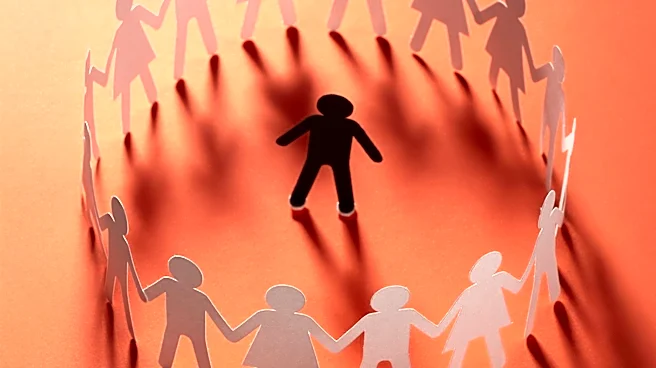
The concept of 'third places,' informal public spaces where community is built, is gaining renewed attention due to a growing sense of disconnection and a public crisis of loneliness in modern life. Sociologist Ray Oldenburg originally introduced this
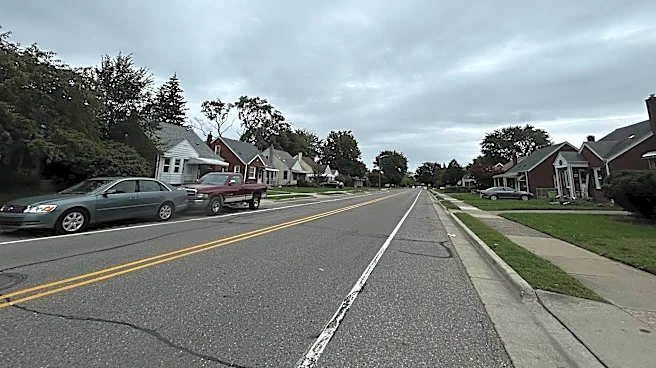
idea to describe locations beyond home and work that foster organic relationships and strengthen community identity. These spaces, such as neighborhood cafes, public libraries, and even dog parks, are characterized by their welcoming atmosphere, low stakes, and lack of formal agenda, encouraging spontaneous interaction. The absence of these vital hubs, often replaced by digital substitutes, has contributed to a decline in civic trust and collective well-being. Modern commerce's emphasis on efficiency, car-dependent suburban development, and the perceived connection offered by social media have all played a role in the vanishing act of these community spaces.
Why It's Important?
The resurgence of interest in 'third places' highlights a critical societal need for genuine human connection and community building in the U.S. The decline of these spaces has significant implications for public health, contributing to widespread loneliness and a weakening of social fabric. Economically, the prioritization of speed and turnover in commerce has inadvertently diminished establishments that encourage lingering and social interaction, impacting local businesses that traditionally served as community anchors. From a public policy perspective, the design of towns and cities, with their sprawling, car-dependent layouts, has actively hindered the emergence of walkable, centrally located hubs. Reinvesting in and advocating for 'third places' can lead to stronger local economies, improved mental health outcomes, and a more engaged citizenry, fostering a sense of belonging that digital platforms have largely failed to provide.
What's Next?
Revitalizing 'third places' will require deliberate action from various levels of society. Individuals can contribute by actively frequenting local coffee shops, independent bookstores, and neighborhood pubs, thereby providing economic support to these community-centric businesses. Advocacy for the enhancement of public assets like libraries and parks, including support for funding for amenities such as seating, community gardens, and event programming, will be crucial. Furthermore, engaging with local governments on urban planning to promote zoning laws that favor mixed-use developments and pedestrian-friendly infrastructure can create environments where new 'third places' can naturally emerge. This collective effort aims to shift societal priorities back towards fostering face-to-face community and social well-being.
Beyond the Headlines
The renewed focus on 'third places' extends beyond mere physical locations; it touches upon deeper ethical and cultural dimensions of modern life. The 'crisis of loneliness' underscores a fundamental human need for belonging that cannot be fully satisfied by digital interactions. The erosion of these informal public spaces reflects a broader societal shift towards individualism and efficiency, potentially at the expense of collective well-being and civic engagement. Re-establishing 'third places' could foster a cultural renaissance of localism and community, encouraging a more balanced approach to urban development that prioritizes human connection. This movement could also challenge the prevailing economic models that often disincentivize spaces designed for lingering and social interaction, prompting a re-evaluation of what truly constitutes a thriving community.