
What's Happening?
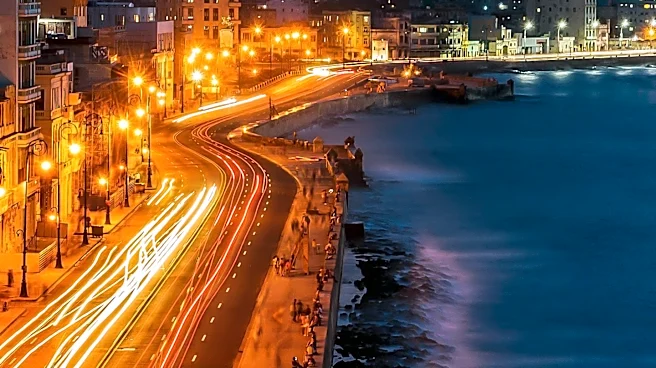
President Miguel Díaz-Canel convened a meeting with hydraulic sector directors and electricity generation experts to address the critical issue of water supply in Havana. The meeting, held at the Palace of the Revolution, focused on ensuring water sources
amidst Cuba's ongoing energy crisis, exacerbated by a U.S. oil embargo and sanctions. Access to water has become a recurring demand from the population due to these challenges. Key discussion points included securing water supply through generator sets, essential maintenance of electrical networks linked to water services, and achieving energy independence for water distribution. The Vice Prime Minister, Inés María Chapman Waugh, emphasized rigorous valve management, leak elimination, equipment protection, and operator training as crucial measures. President Díaz-Canel affirmed that this sensitive issue would receive frequent follow-ups, noting his recent visit to the Paso Seco source in Boyeros, a strategic point for water supply to southern and central Havana, which is undergoing significant maintenance and recovery efforts.
Why It's Important?
The Cuban government's direct intervention in Havana's water supply crisis highlights the severe impact of the country's energy shortages and U.S. sanctions on essential public services. The reliance on generator sets and the focus on energy independence for water distribution underscore the vulnerability of Cuba's infrastructure to external pressures and internal inefficiencies. For the U.S., this situation reflects the humanitarian consequences of its long-standing embargo and sanctions policy, which critics argue disproportionately affect the Cuban populace. The crisis could intensify calls for a reevaluation of U.S. foreign policy towards Cuba, particularly concerning the flow of essential goods and resources. Furthermore, the government's efforts to address water scarcity are crucial for maintaining social stability, as access to basic necessities is a significant factor in public sentiment and potential unrest. Failure to effectively manage this crisis could lead to increased public dissatisfaction and further strain the already struggling economy.
What's Next?
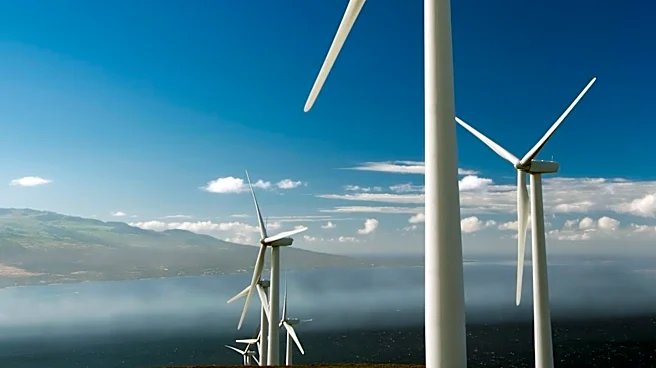
President Díaz-Canel's commitment to frequent follow-ups suggests an ongoing, high-priority effort to resolve Havana's water supply issues. The government plans to implement measures such as deploying generator sets to support water sources, improving maintenance of electrical networks, and investing in renewable energy sources like solar complexes and photovoltaic parks. These initiatives aim to mitigate the impact of energy shortages on water distribution. The emphasis on training and infrastructure protection indicates a long-term strategy to build resilience in the water sector. However, the success of these measures will depend on overcoming significant challenges, including the availability of resources, the effectiveness of implementation, and the continued impact of U.S. sanctions. The situation will likely remain a critical point of focus for the Cuban government, with potential for both incremental improvements and continued struggles depending on the broader economic and political landscape.
Beyond the Headlines
The water crisis in Havana, directly linked to the energy crisis, exposes a deeper systemic vulnerability within Cuba's centralized infrastructure. The need to resort to generator sets and the push for energy independence for water distribution reveal the fragility of essential services when faced with external pressures and internal resource constraints. This situation also highlights the broader challenge of sustainable development in a country under significant economic strain. The government's narrative often attributes these issues to the U.S. embargo, which, while a contributing factor, may also mask underlying inefficiencies and a lack of investment in modernizing infrastructure. The crisis could accelerate the adoption of decentralized and renewable energy solutions, not just for water, but across other sectors, potentially fostering a more resilient, albeit still resource-constrained, system. This could also lead to a re-evaluation of urban planning and resource management strategies in Havana, pushing for more localized and self-sufficient approaches to critical services.