




What's Happening?
A study from Case Western Reserve University has raised concerns about the use of NAD+ boosting supplements, such as nicotinamide mononucleotide (NMN) and nicotinamide riboside (NR), in cancer treatment. These supplements, popular for their energy-boosting
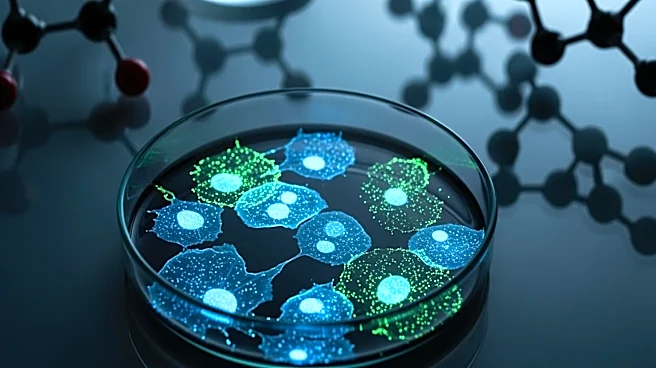
and anti-aging claims, may inadvertently aid cancer cell survival during chemotherapy. The research, published in Cancer Letters, indicates that these supplements can enhance the energy production of cancer cells, reduce oxidative stress, and limit DNA damage, thereby making tumors more resistant to chemotherapy. The study specifically highlights the impact on pancreatic cancer cells, which are notoriously difficult to treat.
Why It's Important?
The findings of this study are significant for cancer patients who use these supplements in hopes of mitigating chemotherapy side effects. The potential for these supplements to aid cancer cell survival could undermine treatment efficacy, posing a risk to patient outcomes. This research underscores the need for careful consideration of supplement use in cancer treatment plans and highlights the complex interactions between dietary supplements and medical therapies. It serves as a reminder that 'natural' supplements are not always safe, particularly in the context of serious illnesses like cancer.
What's Next?
The study's authors recommend that cancer patients discuss any supplement use with their healthcare providers to avoid potential negative interactions with their treatment. Further clinical studies are needed to explore the interactions between NAD+ supplements and cancer therapies. The medical community is urged to screen for supplement use among cancer patients routinely and to conduct more research to fully understand the implications of these findings.