





What's Happening?
The Euro-Mediterranean Human Rights Monitor has issued a warning regarding a renewed risk of famine in the Gaza Strip. This alert comes due to severe shortages of flour and essential food supplies, the closure of bakeries, and a significant collapse in the population's
purchasing power. The organization's statement highlights that the ongoing Israeli blockade and restrictions on humanitarian and commercial goods have left over two million Palestinians without basic necessities for survival. The Euro-Med Monitor conducted market visits and observed critical shortages of fruits, vegetables, and other essential items, which were largely unaffordable for residents whose livelihoods and savings have been depleted by the conflict, blockade, and repeated displacements. The World Food Programme has also reported that funding shortfalls have led to a reduction in food assistance in Gaza by approximately one-third, impacting half a million people who now lack crucial support. The monitor asserts that the control over the quantity, quality, and regular entry of food, coupled with the destruction of local food production, constitutes the use of starvation as a tool, describing it as an ongoing act of genocide since October 2023.
Why It's Important?
The warning from the Euro-Mediterranean Human Rights Monitor underscores a critical humanitarian crisis with severe implications for the civilian population in Gaza. The potential for widespread famine indicates a catastrophic failure to meet basic human needs, which could lead to a significant increase in mortality rates, particularly among vulnerable groups such as children, the elderly, and those with pre-existing health conditions. The accusation by the Euro-Med Monitor that starvation is being used as a tool of genocide raises profound legal and ethical questions, potentially leading to increased international scrutiny and calls for accountability. This situation also highlights the fragility of humanitarian aid operations in conflict zones, as funding shortages and access restrictions severely impede the ability of organizations like the World Food Programme to deliver life-saving assistance. The long-term consequences of such widespread food insecurity include chronic malnutrition, stunted development in children, and a further breakdown of societal structures, making future recovery efforts significantly more challenging.
What's Next?
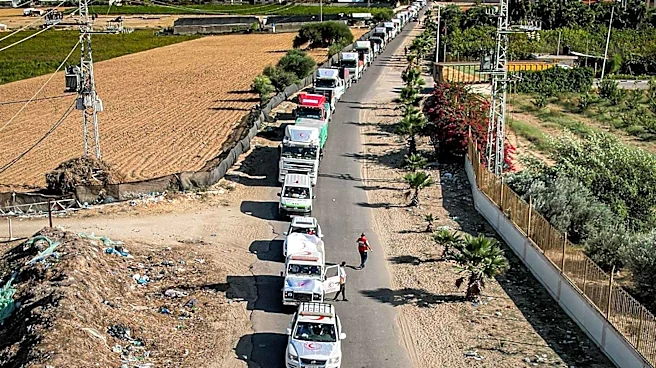
The immediate next steps will likely involve increased pressure from international bodies and human rights organizations on relevant parties to ensure the unimpeded flow of humanitarian aid into Gaza. There may be renewed calls for a ceasefire or humanitarian pauses to facilitate the distribution of food and essential supplies. Aid organizations will likely continue to appeal for increased funding to address the severe shortages, while also advocating for the removal of restrictions on commercial goods to help restore local markets and livelihoods. The allegations of starvation as a tool of genocide could prompt further investigations by international legal bodies, potentially leading to calls for accountability for those deemed responsible. The situation may also lead to diplomatic efforts aimed at negotiating better access for aid convoys and ensuring the protection of humanitarian workers. Without significant intervention, the humanitarian crisis is expected to worsen, with a continued rise in food insecurity and related health emergencies.
Beyond the Headlines
The deeper implications of the renewed famine risk in Gaza extend beyond immediate humanitarian concerns. The Euro-Med Monitor's assertion that the deliberate subjection of Palestinians to conditions designed to deprive them of survival essentials constitutes an act of genocide, as defined under Article II(c) of the Convention on the Prevention and Punishment of the Crime of Genocide, carries significant legal and moral weight. This framing elevates the crisis from a humanitarian emergency to a potential international crime, which could have long-lasting repercussions for international law and justice. Furthermore, the systematic destruction of local food production sources and access channels points to a broader strategy that could permanently alter the region's self-sufficiency and economic viability. The collapse of purchasing power and depletion of savings among the population suggest a profound and enduring economic devastation that will hinder any post-conflict recovery for years, fostering long-term dependency on external aid. This situation also highlights the complex interplay between conflict, blockades, and the weaponization of basic necessities, raising critical questions about the responsibilities of all parties in protecting civilian populations during armed conflict.