
What's Happening?
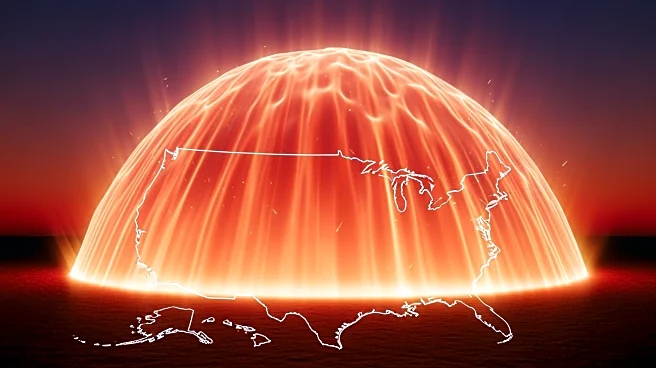
A severe heatwave has struck the western United States, with temperatures reaching unprecedented levels for March. According to Kristina Dahl, vice president of science at Climate Central, the heatwave is producing temperatures more typical of June or July.
The National Weather Service and World Weather Attribution group have confirmed that this heatwave would have been virtually impossible without human-induced climate change. The heatwave has resulted in record-breaking temperatures in states like California, Nevada, and Arizona, and is impacting Colorado's snowpack, which is crucial for water availability during the summer. The Climate Shift Index, an interactive database by Climate Central, indicates that the unseasonal heat was at least five times more likely due to human-caused climate change.
Why It's Important?
The heatwave's early timing poses significant health risks, as people are more susceptible to heat stress when their bodies have not yet acclimated to summer temperatures. This can lead to increased emergency room visits. Additionally, the heatwave threatens Colorado's already low snowpack, which is vital for water supply during the dry season. The reduction in snowpack could strain water resources, affecting agriculture and increasing the risk of wildfires as vegetation dries out. The event underscores the tangible impacts of climate change on weather patterns and resource availability, highlighting the urgent need for climate action and adaptation strategies.
What's Next?
As the heatwave continues, it is expected to spread eastward into the central U.S., potentially exacerbating the impacts on water resources and increasing health risks. Stakeholders, including policymakers and environmental groups, may push for more aggressive climate policies to mitigate future events. The agricultural sector may need to adapt to changing water availability, and emergency services could face increased demand. Long-term, this event may influence public opinion and policy regarding climate change, emphasizing the need for sustainable practices and infrastructure improvements to cope with extreme weather.
Beyond the Headlines
The heatwave highlights the broader implications of climate change, including ethical considerations around resource allocation and environmental justice. Communities with fewer resources may be disproportionately affected by the health and economic impacts of such events. The situation also raises questions about the responsibility of industrialized nations in addressing climate change and supporting vulnerable populations. As attribution science advances, the ability to link specific weather events to climate change may drive legal and policy discussions on accountability and reparations.