







What's Happening?
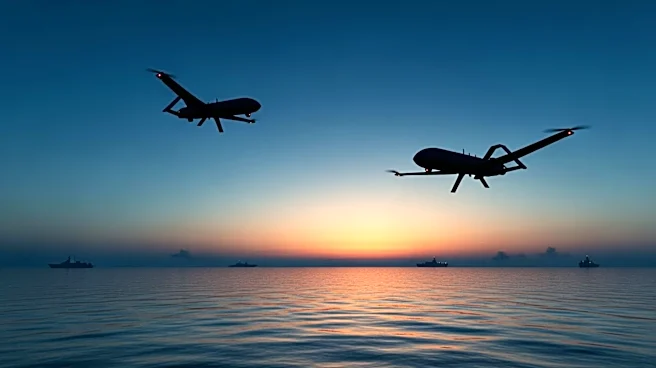
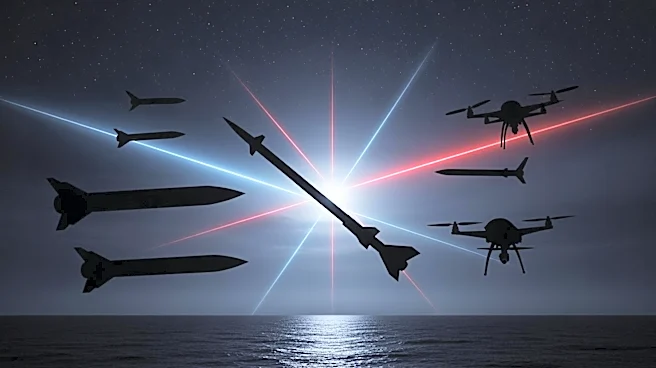
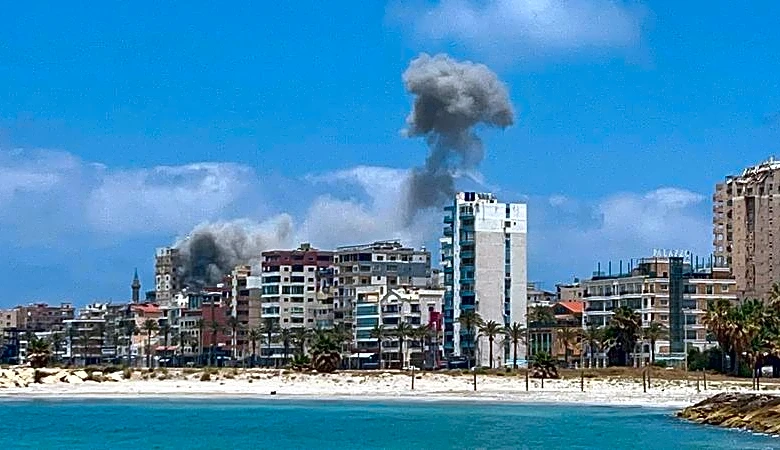
The U.S. Department of State has approved a potential sale of counter-unmanned aerial systems (c-UAS) to Kuwait, valued at approximately $1.98 billion. This decision follows recent attacks by Iran on Kuwaiti infrastructure, including a drone and missile
strike on June 3 that damaged the Kuwait International Airport, resulting in one fatality and over 60 injuries. The sale includes non-major defense equipment such as lattice command and control, personnel training, and software development, aimed at enhancing Kuwait's defense capabilities against unmanned aerial threats. The State Department emphasized that this sale supports U.S. foreign policy and national security objectives by bolstering the security of Kuwait, a significant non-NATO ally in the Middle East.
Why It's Important?
This arms sale is significant as it underscores the ongoing security challenges in the Gulf region, particularly amid heightened tensions between the U.S. and Iran. The approval of this sale reflects the U.S.'s commitment to supporting its allies in the Middle East, ensuring regional stability, and countering potential threats from adversarial nations. For Kuwait, acquiring advanced counter-drone technology is crucial for safeguarding its infrastructure and maintaining its role as a stabilizing force in the region. The deal also highlights the strategic importance of Kuwait to U.S. interests, given its geopolitical position and its role in facilitating economic progress in the Middle East.
What's Next?
Following the approval, the next steps involve finalizing the sale details and implementing the delivery and integration of the systems into Kuwait's defense infrastructure. The U.S. and Kuwait will likely engage in further discussions to ensure the effective deployment and operation of the c-UAS platforms. Additionally, the sale may prompt reactions from regional actors, particularly Iran, which could influence future diplomatic and military engagements in the Gulf. The U.S. will continue to monitor the situation closely, balancing its defense commitments with diplomatic efforts to de-escalate tensions in the region.